Do You Need a Tree Removal Permit in Vancouver, WA?
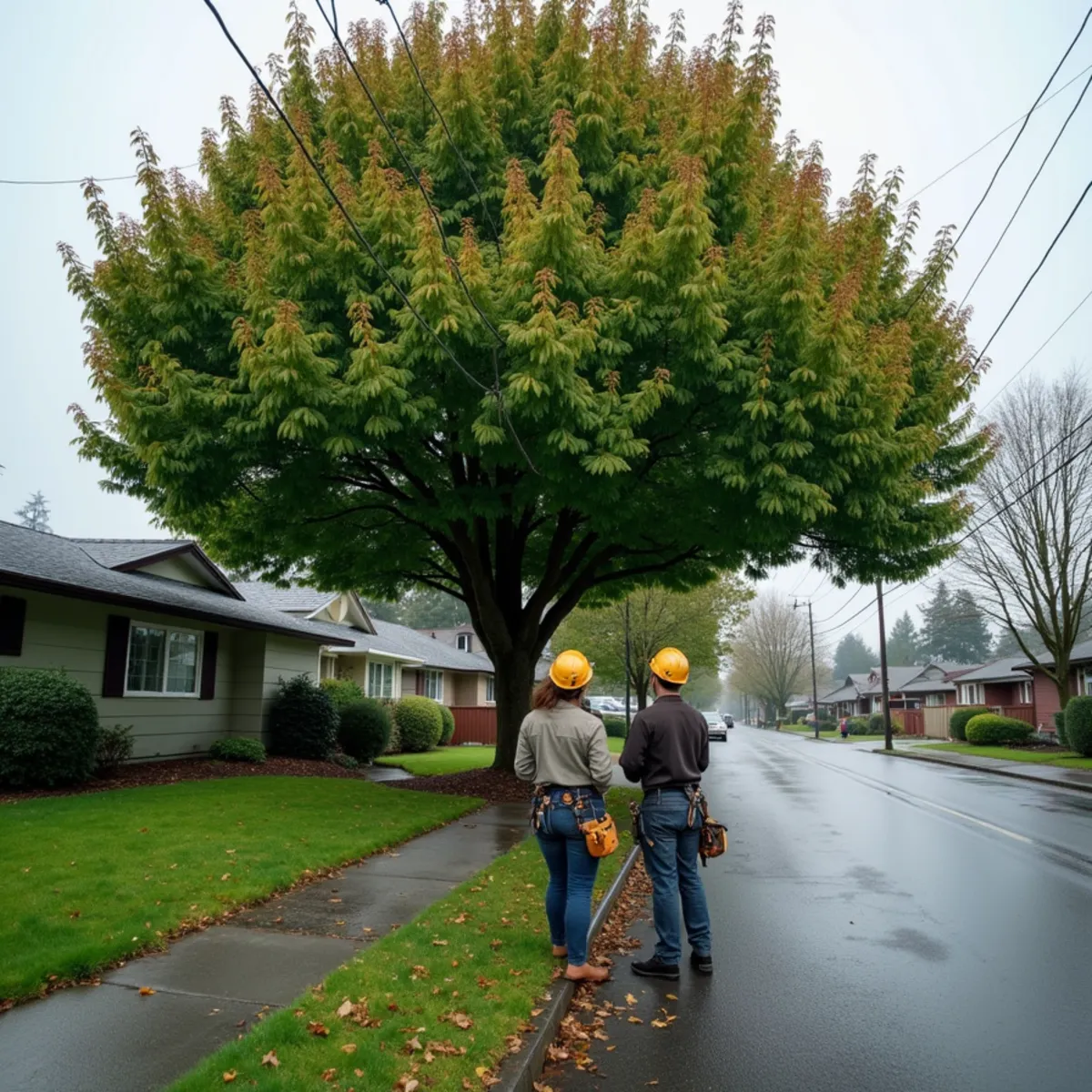
The call usually arrives the same way. Somebody in Vancouver has a bigleaf maple leaning over the garage, or a fir that shed a limb in the last south wind, and they want it gone before winter does something worse. Then the question that should have come first shows up: am I allowed to cut this down?
It depends on where the tree stands, not on whose name is on the deed. Two neighbors on the same block can get different answers, because one tree sits in the planting strip and the other sits in a fenced back yard. Codes also get amended, so treat what you read online, this article included, as a starting point rather than the last word on your parcel.
Where the Tree Stands Matters More Than What It Is
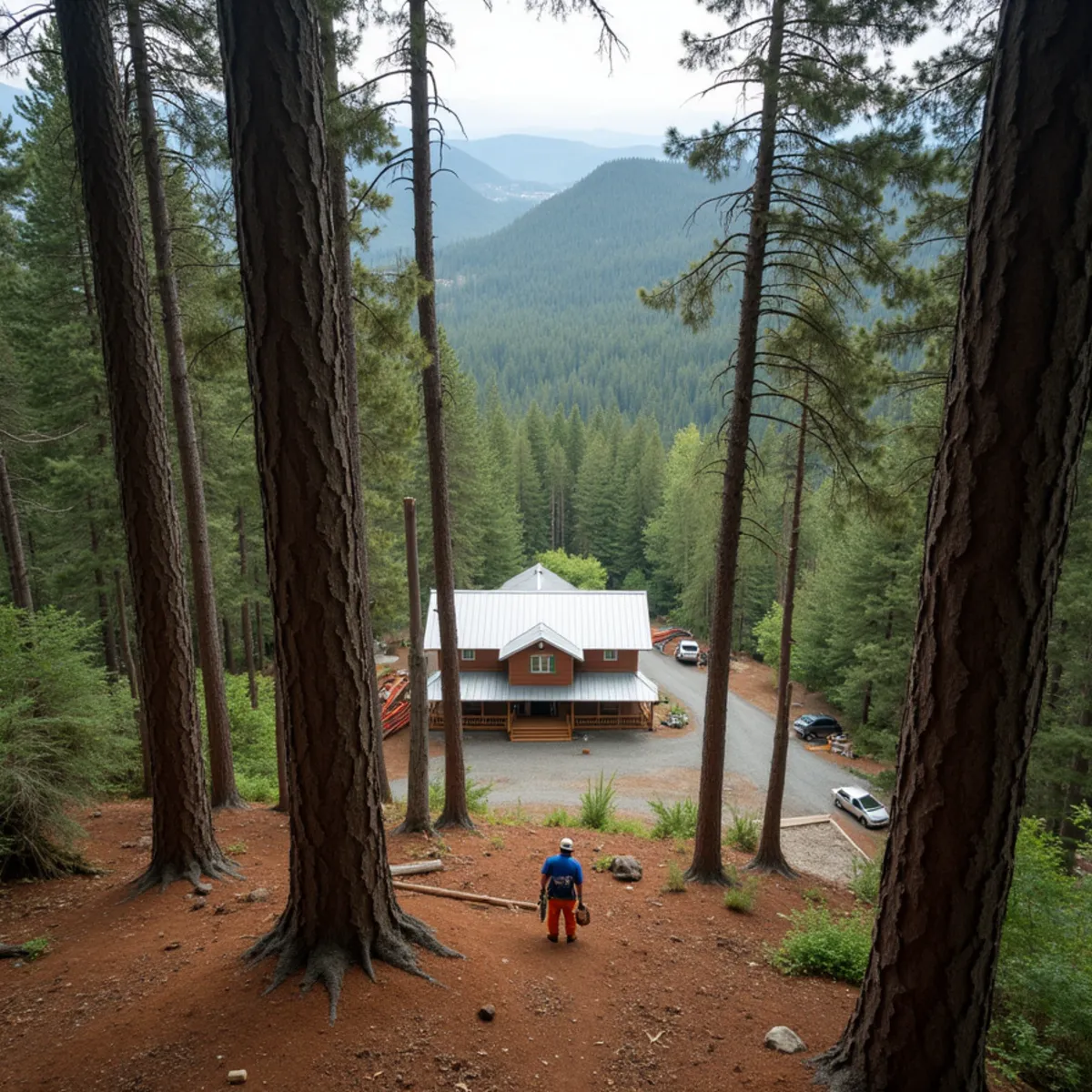
Before you worry about species or size, work out which bucket your tree falls into. These are the categories we sort trees into on a Clark County walk-through:
- Private yard trees on a developed lot — the least regulated category, and where most removals land.
- Street trees and trees in the public right-of-way.
- Trees in a critical area or its buffer: wetlands, streams, steep or unstable slopes, habitat.
- Trees in shoreline jurisdiction along the Columbia, Vancouver Lake or another regulated waterbody.
- Trees in a tract or easement, usually HOA-owned or held as open space from the original plat.
- Trees planted or retained as a condition of a development permit: landscape islands, buffer plantings, retained-tree areas.
That last one catches people off guard. A tree that came with the subdivision may be doing legal work: it was counted on a landscape plan somebody approved, and removing it quietly can put the lot out of compliance years later when you sell. That is what our tree removal permit assistance is for.
Street Trees and the Planting Strip
The right-of-way is wider than the pavement. On plenty of streets it runs several feet past the sidewalk into what the whole block has mowed and watered for twenty years. Trees in that band are generally city-managed, so removal, and often heavy pruning, needs permission regardless of who maintains them.
Your plat map or title report shows where the right-of-way line falls. It comes up constantly in the older grid neighborhoods where we do tree service in Vancouver: century-old street trees, lifted sidewalks, an owner who assumed the tree was theirs. Ask first — a street tree removed without approval is not a problem you can undo.
Critical Areas, Slopes and Shoreline Overlays
Overlays sit on top of base zoning. A tree that would be unregulated in a flat mid-block yard becomes regulated the moment it falls inside a wetland buffer, a steep-slope area or shoreline jurisdiction. Nothing about the tree changed; the map did.
- A creek, ditch, drainage or seasonal swale on or along the property
- A steep bank, a cut slope, or ground with a history of movement
- A wetland flagged during the original development, sometimes still fenced
- A conservation, open-space or drainage tract shown on the recorded plat
- Frontage on the Columbia, a lake or another regulated waterbody
If any of those describe your lot, assume an overlay applies until somebody says otherwise. The city and the county publish public mapping tools, and permit staff will confirm what is mapped on a parcel. We run that check during the estimate, because finding a constraint on a laptop beats finding it mid-removal.
HOAs, Plats and Conditions the City Never Enforces
A city approval is not permission from your homeowners association, and HOA approval is not permission from the city. They are separate gates and you may need both. Covenants recorded against the lot can restrict removal, require architectural review, or name trees that have to stay, and the city has no role in it. Newer plats east of town and toward tree removal in Camas carry the tightest language.
One plain note: this is general information, not legal advice. Your recorded covenants, your insurance policy and insurer, and, if a dispute ever gets that far, your attorney govern your particular situation.
Plan on Replacement Planting
Where a permit is required, a replacement condition usually rides along with it: planting on the same lot, an approved species off a city list, or an alternative for lots with no room. Counts and deadlines vary by category and by which version of the code is in effect, so get the specifics in writing.
- Whether replacement has to happen on your lot or can be handled another way
- Whether species are restricted, including short-stature-only rules under power lines
- Where a tree can physically go, given sidewalks, sight lines and buried utilities
- Who is responsible if it dies in its first dry summers
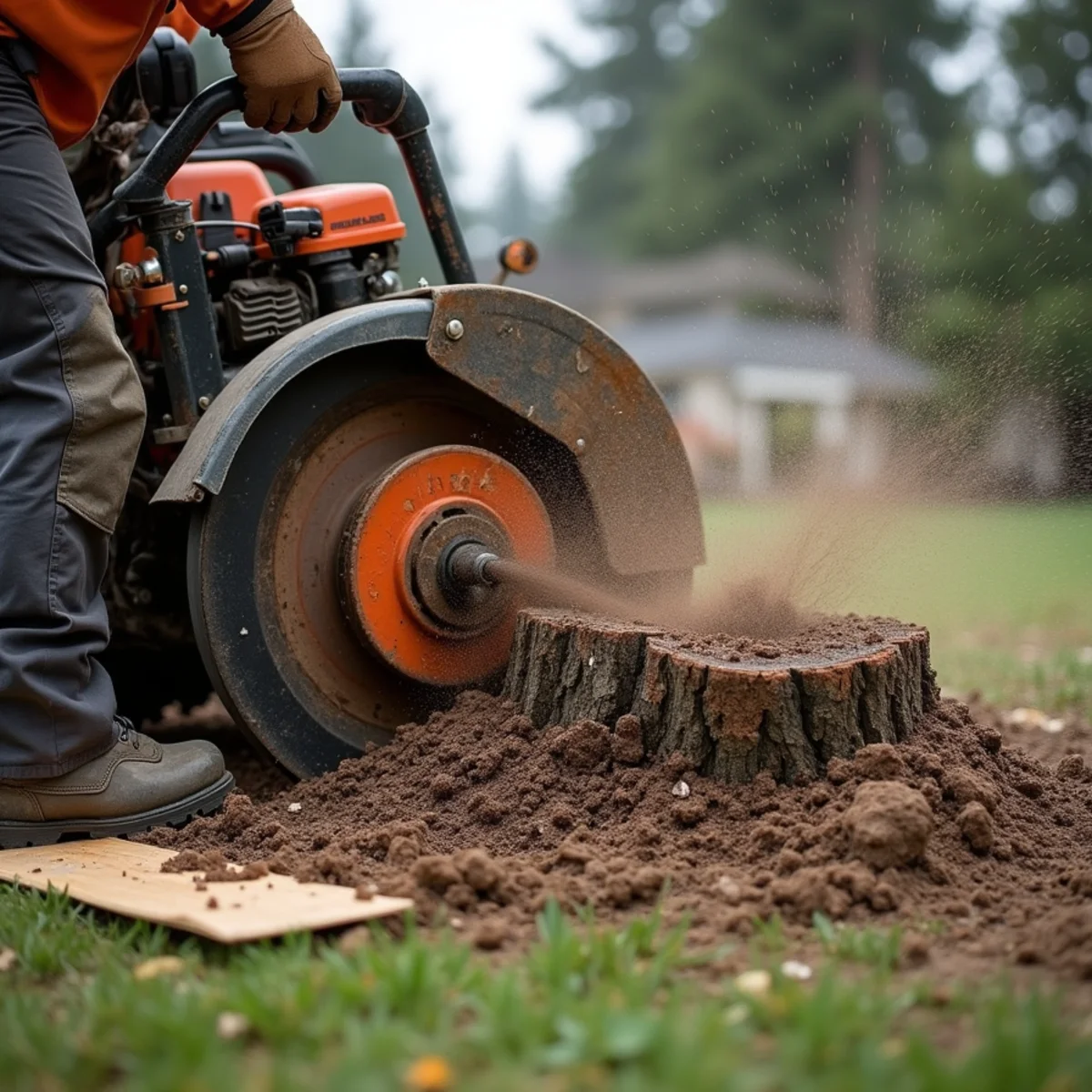
We fold that into the quote rather than leaving it for later, so the cost and the obligation of a residential tree removal are both on the table before you decide.
What a City-Accepted Arborist Letter Needs to Say
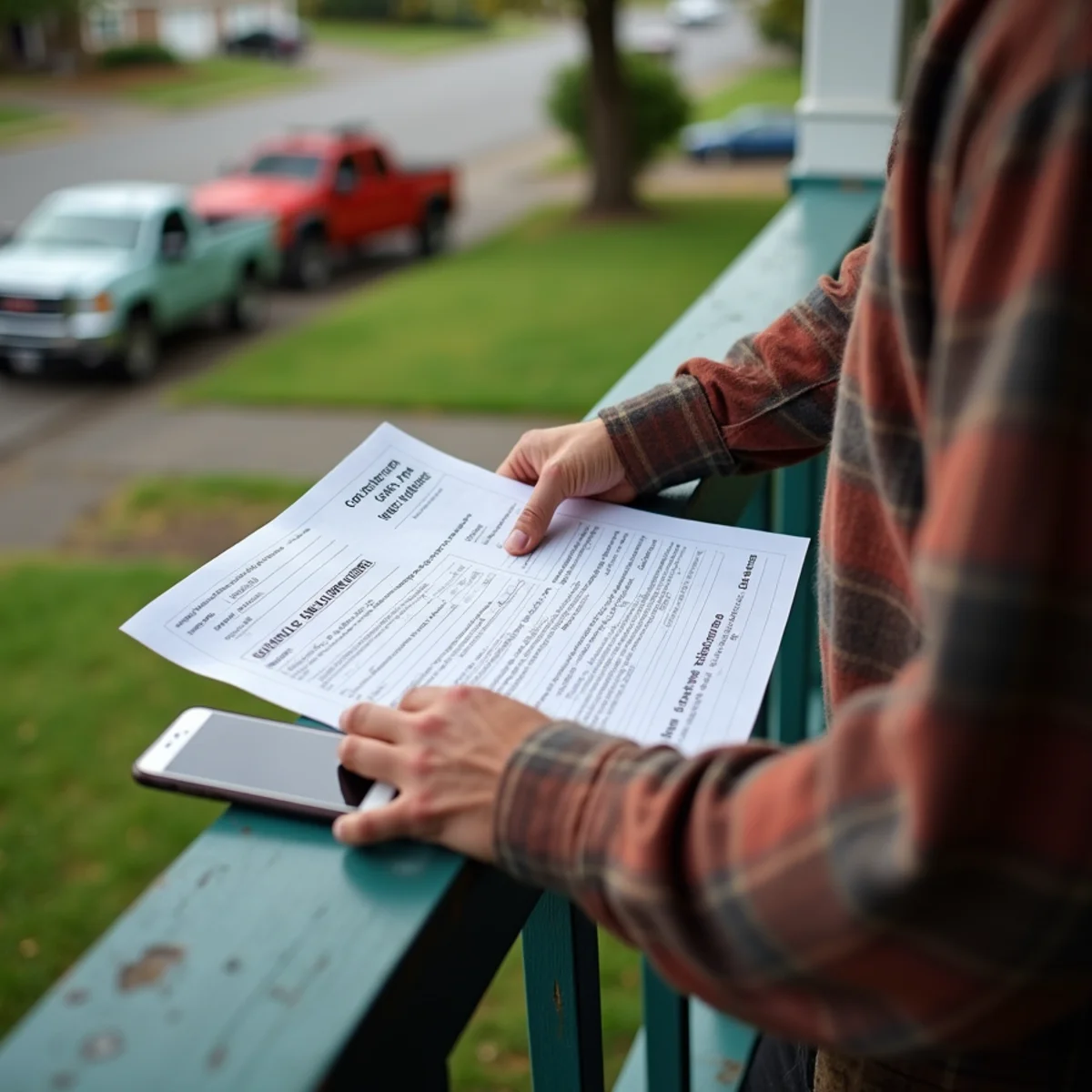
When a regulated tree is coming out because it is hazardous or diseased, the reviewer wants a written assessment from a qualified professional, not a photo and a sentence. A letter accepted the first time usually covers:
- The address, inspection date, and enough detail to identify the tree: species, approximate size, position on the lot, photos.
- What was observed physically: conks at the root collar, a cracked or included union, root plate movement, dieback, whether a lean is recent.
- How it was inspected: ground-level visual, aerial inspection from a climb, sounding, probing.
- The likelihood of failure and what sits underneath. A defect over open pasture is not the same finding as that defect over a bedroom.
- Whether anything short of removal was considered — reduction, cabling, deadwood cleanup, monitoring.
- A signed, dated recommendation with the writer's qualifications stated plainly.
That is the work behind our tree risk assessment and arborist report, and it is worth having even when no permit is involved.
Who to Call at the City
The City of Vancouver runs an urban forestry program, and the permit counter can route you to the right staff. Give them the address, say where the tree stands relative to the sidewalk and any water or slope, and ask whether it is city-managed and whether an overlay applies. Outside city limits, call Clark County.
The Short Version
Most ordinary yard trees on developed lots come out without a permit. The exceptions are consistent: street and right-of-way trees, critical area and shoreline overlays, tracts and easements, trees retained as a permit condition, plus whatever your HOA recorded on top. If you are not sure which bucket yours is in, we check the parcel, the overlays and the plat as part of the visit. Estimates are free and on-site, Ryan walks every one himself, and you get a straight answer on the permit before you get a price. Call (208) 635-2100 and we will come look at it.