
Cowlitz County · Clark County
Lot Clearing & Brush Removal in Washington
Clearing is mostly a decision about what stays. We walk the property with you first, then bring the equipment.
- Free On-Site Estimates
- Licensed & Insured
- 34 Google reviews
A buyer outside Castle Rock called us about two acres he had just closed on. From the road it read as pasture with a few trees along the back. Walking it told a different story — the rear half was a wall of Himalayan blackberry over head height, alder and cottonwood volunteers pushing up through it, and a fence line that had vanished under the mess. Buried in there were four good western red cedars he wanted to keep.
Cutting is the easy part. The hard part is deciding what stays, sequencing the work so a machine can still reach the back of the property once the front fills with brush, and answering the question every clearing job comes down to: where do several tons of green material go?
Selective Lot Clearing Keeps the Trees Worth Keeping
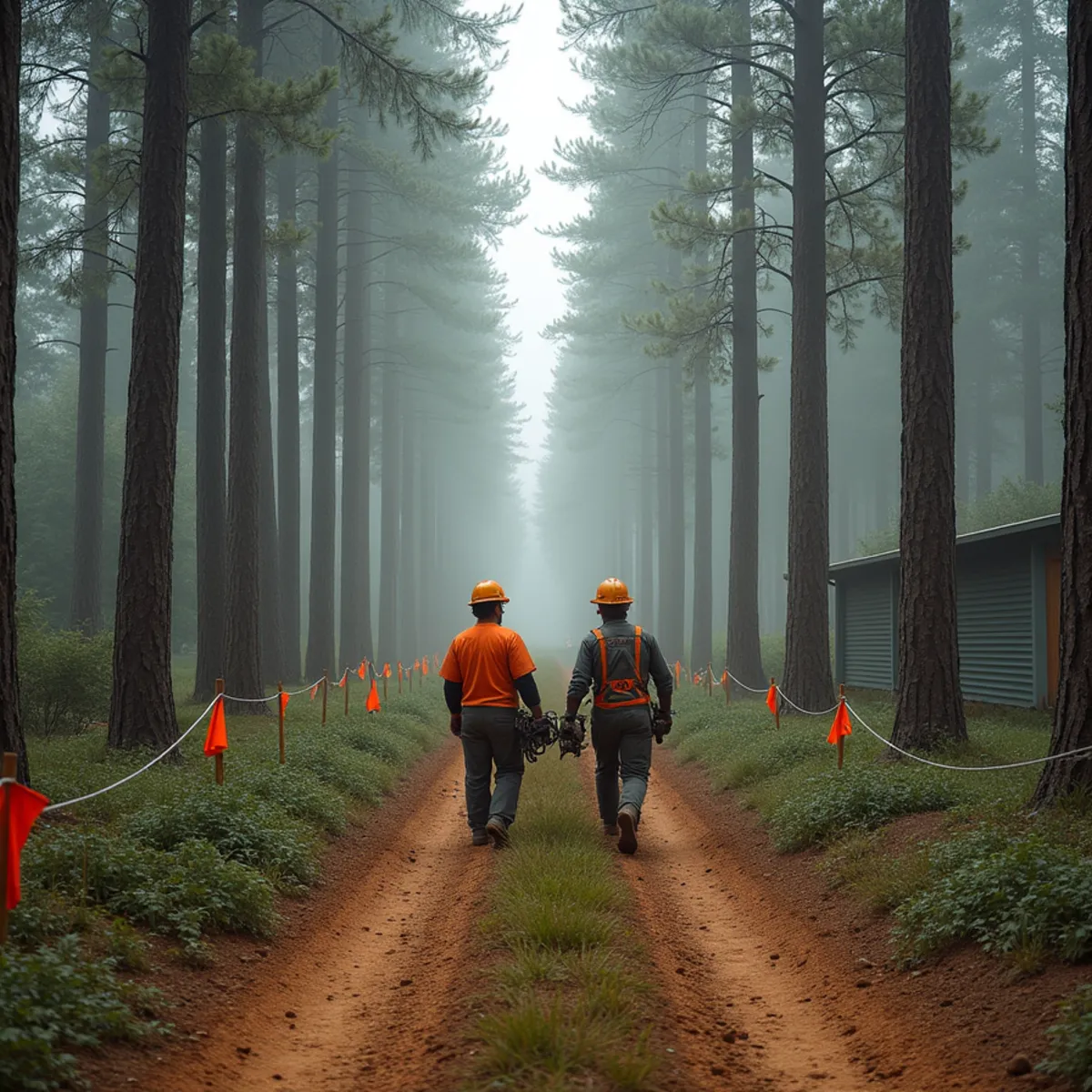
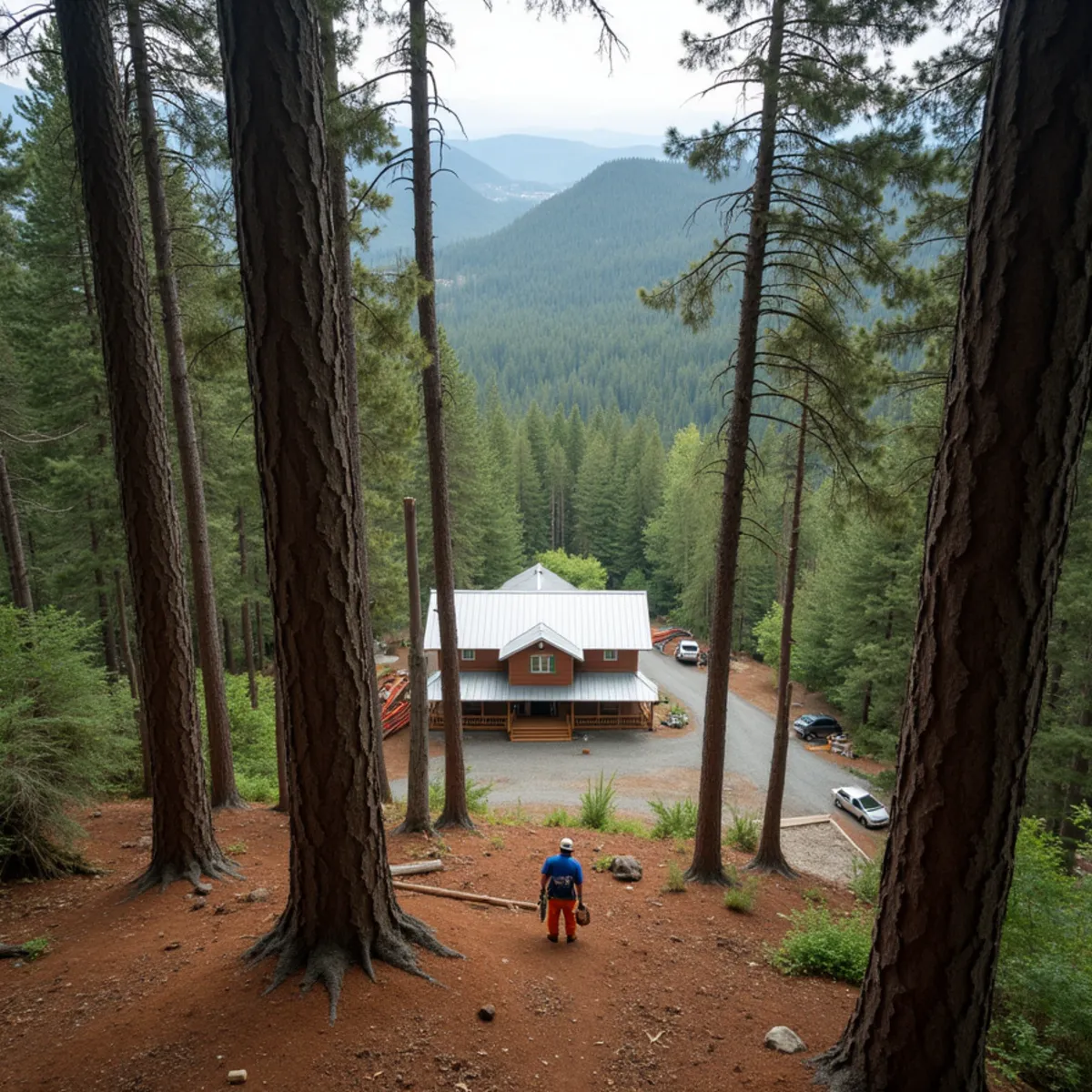
Very few people want a bare lot. They want a house pad, a driveway, a shop site, a usable pasture, or a yard they can see across — with the good trees left standing. So before anything runs, we walk the parcel with you and flag it. Cedar and mature Douglas fir usually stay. So do bigleaf maples with structure worth looking at. Fifteen crowded alders competing for the same forty feet of light do not.
Two things go wrong on clearing jobs nobody thought through. The first is exposure. A fir that grew up shoulder to shoulder with fifty others has a narrow crown and roots that never had to resist much wind alone. Strip everything around it and you have made a hazard tree out of a healthy one. We plan leave trees as a group with a windward edge, not as scattered singles. The second is the ground: tracked equipment inside a keeper root zone compacts soil and tears feeder roots, and the tree hides that damage for two or three years.
Fence Lines, Field Edges and Driveways
Half the brush removal we do in Cowlitz County is a strip, not a block. Fence lines untouched in fifteen years, a driveway narrowing every season until the mirrors take hits, a pasture edge that has crept in ten feet. Fast work, big visual difference, and far better done before the wire grows into the wood.
Blackberry, Ivy and Scotch Broom: Invasive Vegetation Removal That Holds
Anyone can mow blackberry down. It comes back the same summer. Himalayan blackberry regenerates from a woody root crown, so a job that only takes the top off is a haircut. Where the ground allows, we pull the crowns. Where it does not — steep banks, rock, roots we should not disturb — we cut low and clean, and tell you plainly you will chase regrowth for a season or two. Anyone promising a permanent one-visit kill by cutting alone is selling you something.
English ivy is different. It does not strangle a tree the way people assume. What it does is add an enormous sail of wet evergreen foliage to a trunk in the exact months our windstorms arrive, and it hides every crack, conk and cavity you could otherwise see from the ground. Taking it off starts with severing a wide band at chest height and clearing the base back several feet, then letting the upper vine die and release on its own.
- Himalayan blackberry — cut and, where soil allows, crown-pulled. Plan on follow-up; the seed bank does not quit after one visit.
- English ivy — girdled and cleared off the trunk and root flare so the tree can be inspected and stops carrying winter wind load.
- Scotch broom — pulled while the ground is wet, before it sets seed. Broom seed stays viable in soil for decades, so timing beats horsepower.
Volunteer Alder and Cottonwood
Red alder is the first thing to claim disturbed ground west of the Cascades. Useful pioneer species, fixes nitrogen, not built to last — stands start coming apart past forty or fifty years, dropping tops and whole stems. Black cottonwood along the Cowlitz and Columbia bottoms is worse for a building site: brittle wood, constant limb shed, and roots that will find a septic line or a foundation drain and make it their business. If you are siting a house, shop or well, take them while they are cheap to remove.
Land Clearing on Acreage and the DNR Forest Practices Application
Clearing merchantable timber off acreage in Washington is regulated, and the rules are not something to guess at. Harvest on forestland runs through the Department of Natural Resources under a Forest Practices Application, and clearing that converts forestland to a house site or pasture is handled differently than a straight commercial harvest. Conversions are typically coordinated with your county through the land use process, and cutting without the right approval can leave a development moratorium attached to the parcel — an expensive surprise that surfaces years later at permit time.
We are tree people, not your permit office, and we will not pretend otherwise. What we will do is tell you plainly when a job looks like it crosses into that territory, and point you at DNR and your county planning desk before a saw runs. Critical areas, streams, wetland buffers and shoreline overlays add their own layer.
Log Value Can Offset the Bill — Sometimes
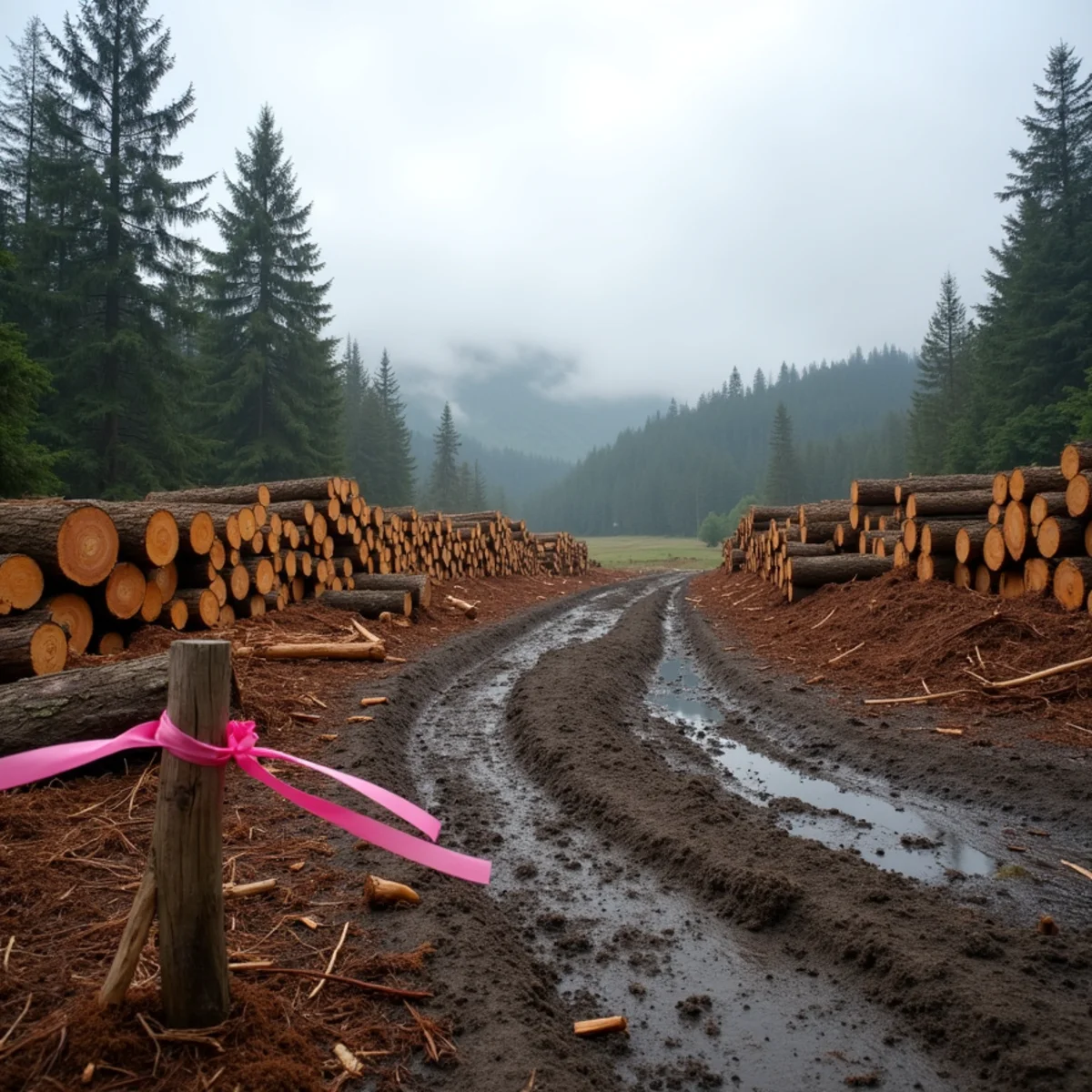
On acreage with real volume, the wood itself is worth something. Straight Douglas fir, cedar and even alder in decent lengths can go to a mill instead of a chipper, and that value takes a real bite out of what clearing costs you. The variables are volume, species, log quality, mill demand, and whether a log truck can physically reach a landing. On a half-acre with six trees the honest answer is almost always no. We run it out loud with you either way.
Chip, Haul or Burn: What Happens to the Material
Debris volume is the most underestimated part of a clearing job. Brush that occupied a quarter acre standing up does not politely disappear. The right answer depends on your property, your budget and your patience.
- Chipping — fastest and cleanest. Chips can be piled, spread on trails and beds, or hauled off. Rural properties often want them; in-town lots do not.
- Hauling — everything goes, nothing left to deal with. It costs the most and is the right call on a tight lot or a site about to be graded.
- Burn piles — cheapest where allowed, but outdoor burning here is regulated by season, by county and by the regional clean air agency. Rules change year to year, so check before you build a pile you cannot light.
Whichever way it goes, the site gets raked and walked before we pull off it. Ryan gives the estimate himself and works the job, so the person who described the finished property is the one standing on it when we leave.
Signs You Need Lot Clearing, Brush & Invasive Vegetation Removal
How a Lot Clearing, Brush & Invasive Vegetation Removal Job Runs, Start to Finish
Free on-site walk of the property
Decide what stays before anything is cut
Sort out permits and utilities
Written scope, including the debris plan
Clear in sequence, back to front
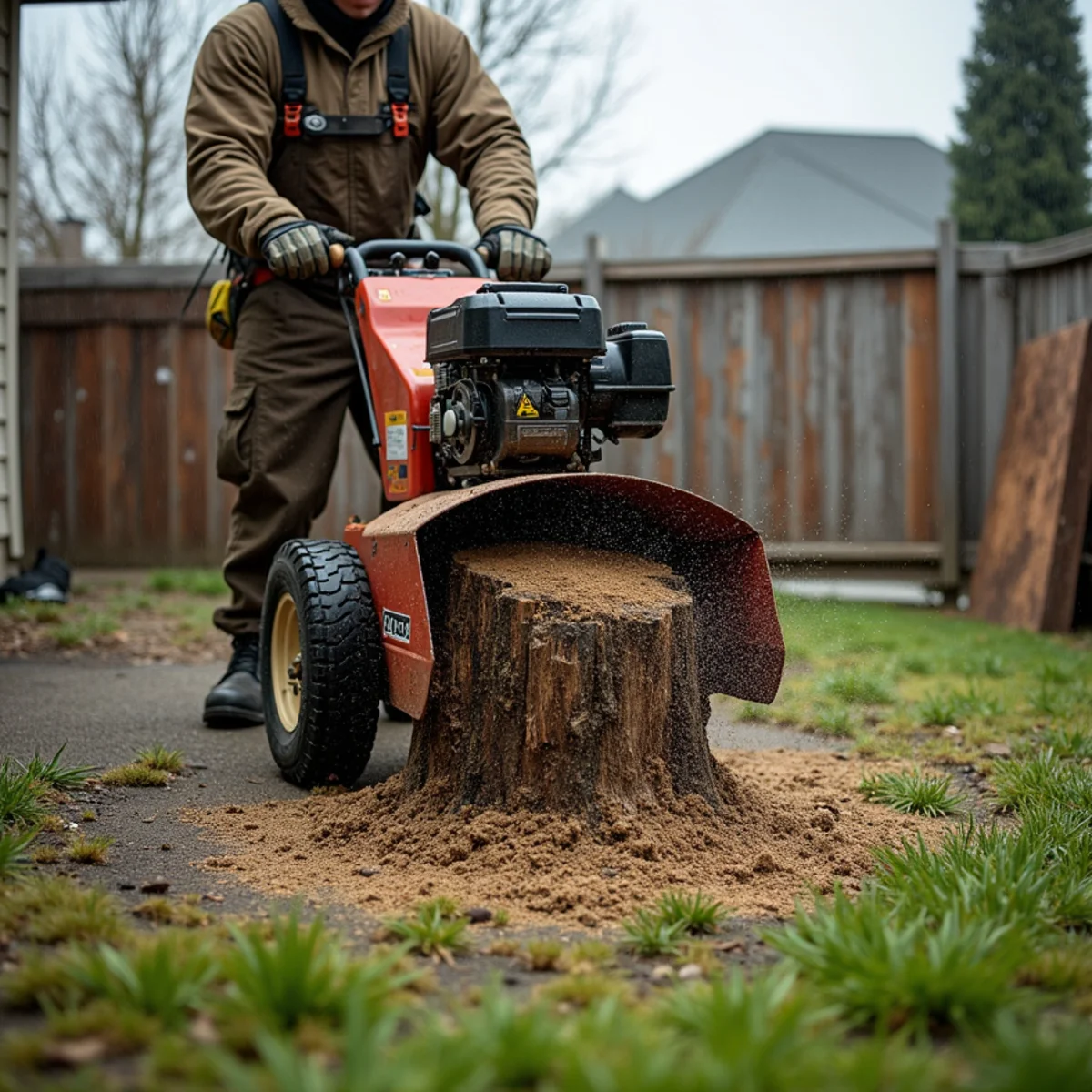
Cleanup, stumps and a walkthrough
What Drives the Price of Lot Clearing, Brush & Invasive Vegetation Removal
Lot Clearing, Brush & Invasive Vegetation Removal on Real Jobs
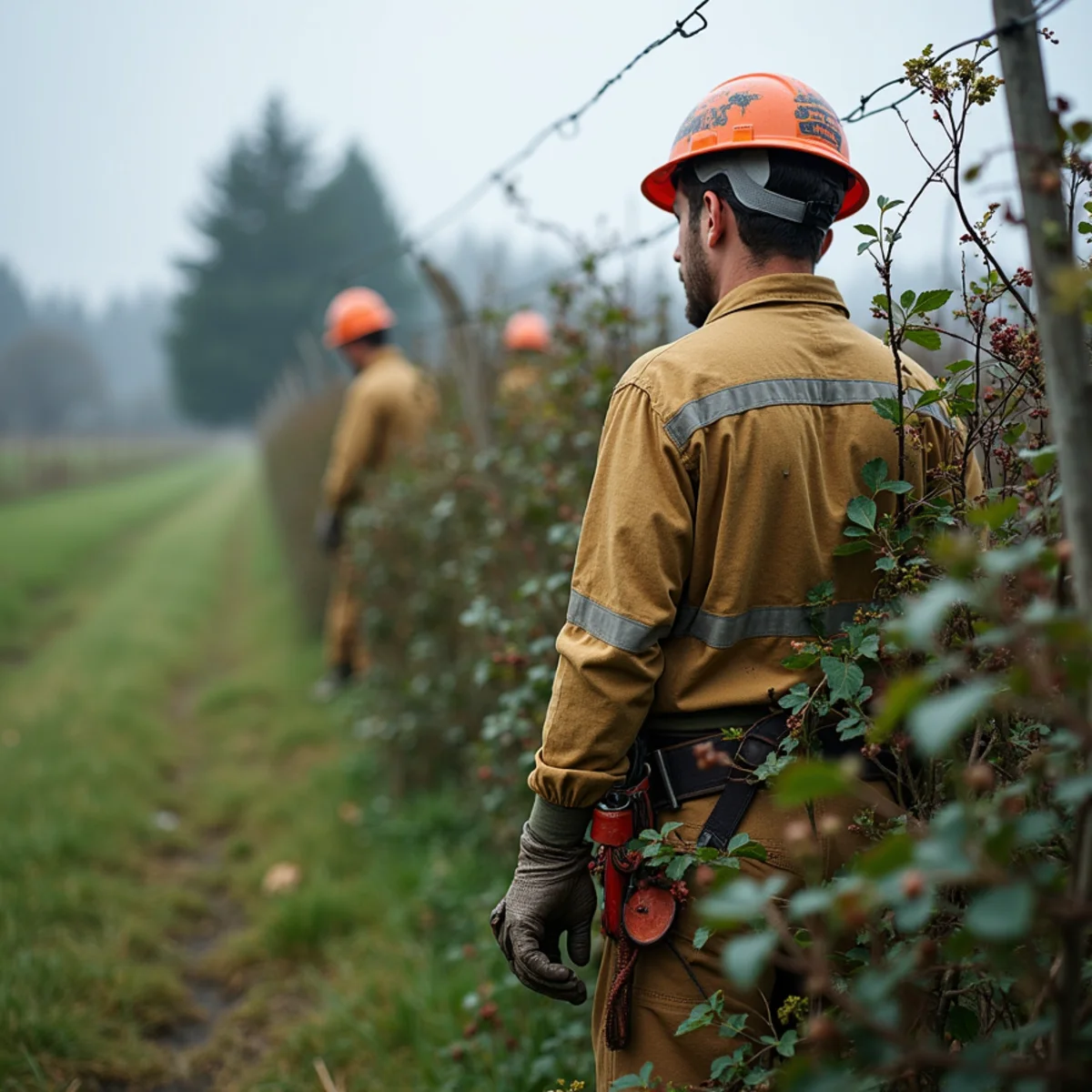
Fence lines disappear in about three seasons. 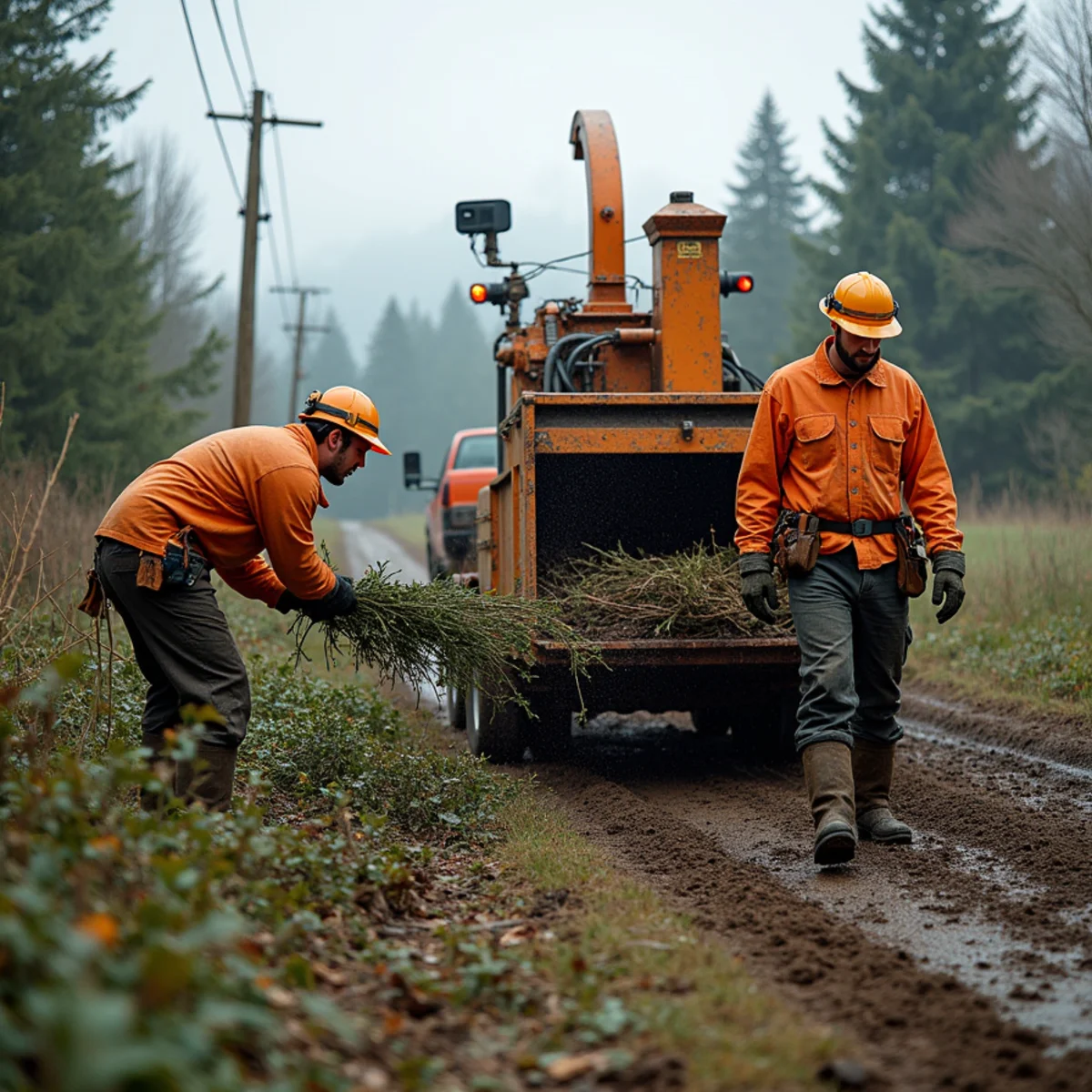
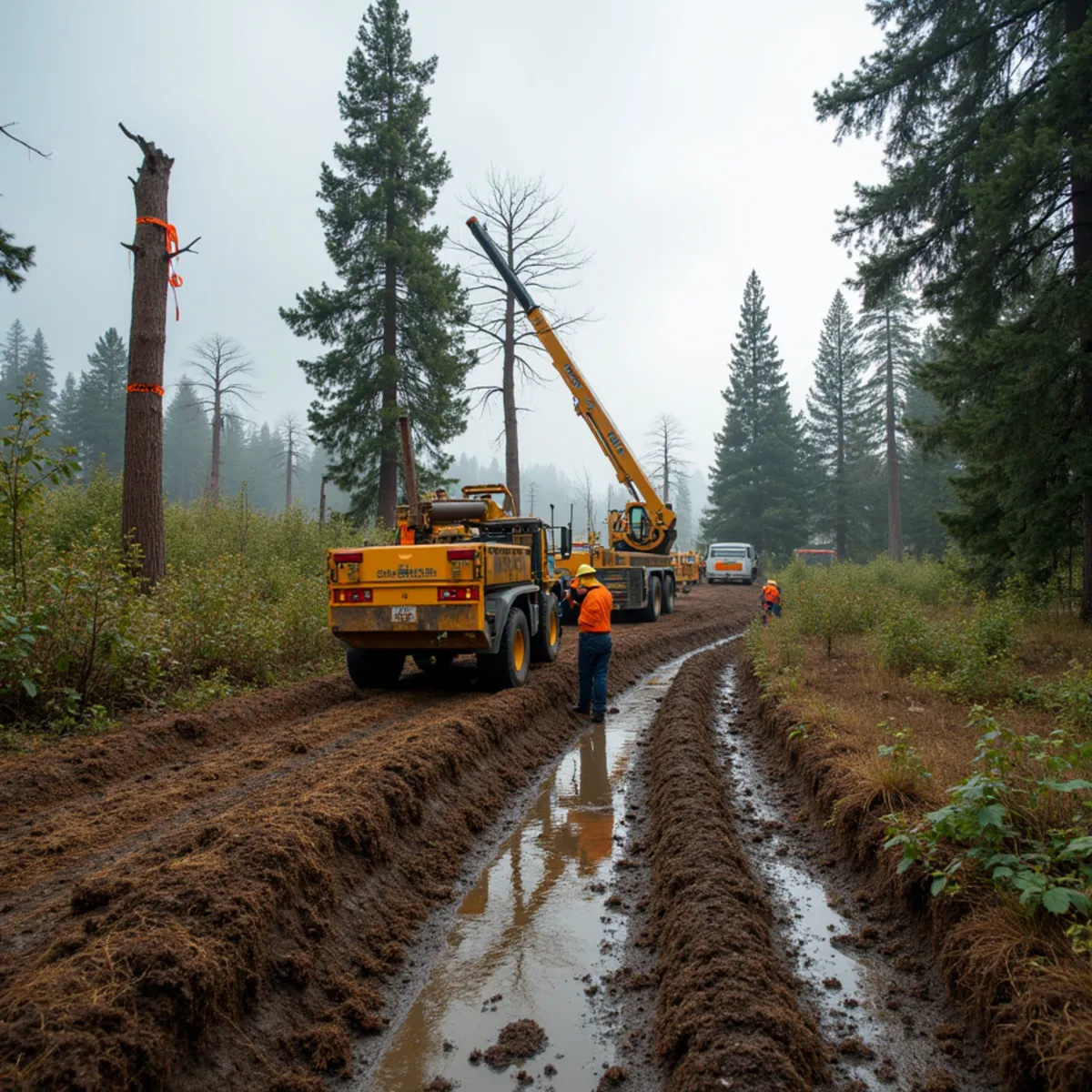
Chipped on site, hauled off, or piled for burning. 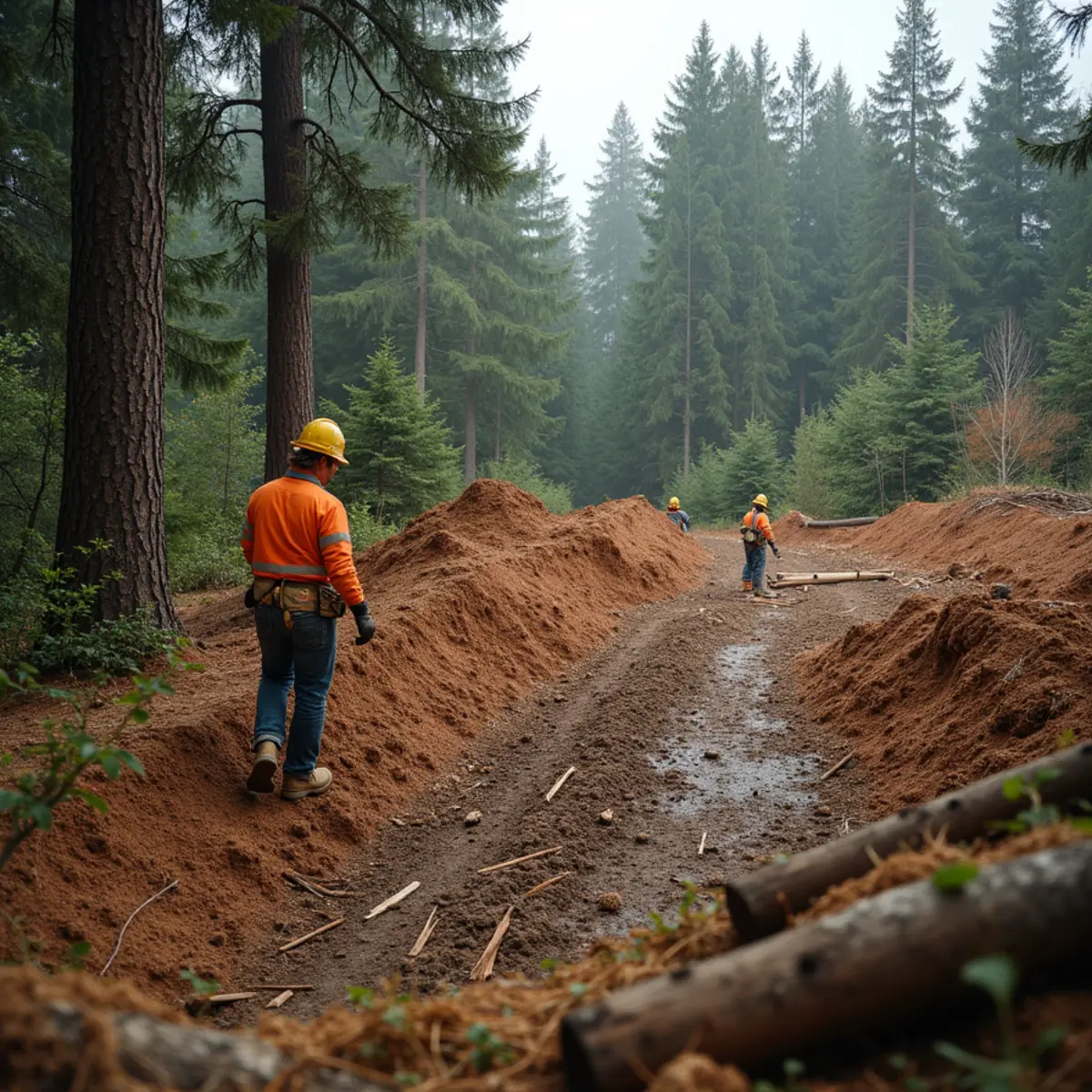
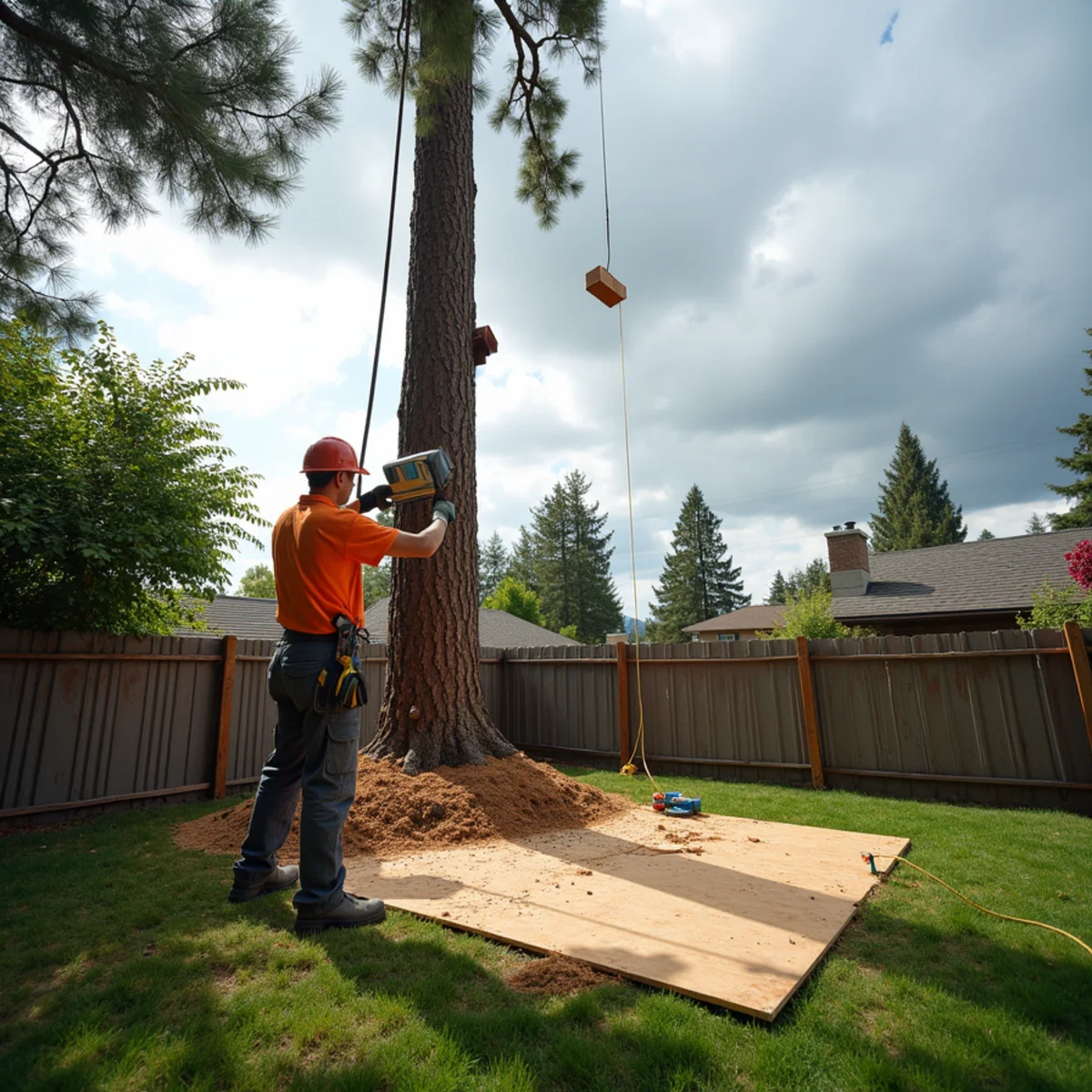
Selective clearing keeps the trees worth keeping.
Get a written price for your lot clearing, brush & invasive vegetation removal job.
Lot Clearing, Brush & Invasive Vegetation Removal Questions, Answered
Often Booked Together
Related Tree Services
Worth Reading First
Before You Book This Work
Free On-Site Estimates
Need lot clearing, brush & invasive vegetation removal? Let’s take a look.
Ryan Norris walks every estimate himself. Free, on-site, and you’ll get a straight answer about whether the work is necessary at all.
- 34 Google reviews
- Licensed & Insured
- Free On-Site Estimates
- Based in Kelso, WA