
Cowlitz County · Clark County
Tree Removal Permit Assistance in Washington
Permits are cheap compared to replanting a tree you were never allowed to remove. We check the rule for your address first.
- Free On-Site Estimates
- Licensed & Insured
- 34 Google reviews
The worst version of this call comes after the fact. A homeowner inside Vancouver city limits takes out a maple that had been dropping limbs on the driveway for two winters, and weeks later an envelope arrives from the city. Nobody was trying to break a rule. The same tree, in the same condition, twelve miles north on unincorporated ground would have been nobody’s business but theirs.
Southwest Washington does not have one tree rule. It has a stack of them, and which layer lands on you depends on the city line, the distance to water, the strip of ground the tree stands in, and what the plat said the day your subdivision was recorded. We sort that out for your address before we quote the removal, not after.
Four Questions That Decide Whether a Tree Removal Permit Applies
The wording changes from one counter to the next. The logic underneath does not. Before we schedule anything, we establish four things.
- Jurisdiction. Inside an incorporated city — Vancouver, Camas, Longview, Kelso and Battle Ground each run their own code — or unincorporated Cowlitz or Clark County? Two addresses a quarter mile apart can sit under different rules.
- Position. Is the tree wholly on your property, straddling a boundary, or standing in the public right-of-way between the sidewalk and the curb? Who owns the ground decides who says yes.
- Overlays. Shoreline jurisdiction, wetland and stream buffers, steep-slope and geologic hazard designations and habitat areas sit on top of the base zoning, and a different desk handles them.
- Private conditions. HOA covenants, plat notes, retention conditions from an old subdivision approval and utility easements bind you even where the city has no interest in your tree.
Thresholds, exemptions and forms vary by jurisdiction, and they get amended. We verify the current rule for your address with the office that enforces it, then tell you what we were told and who told us.
Vancouver and Camas Tree Codes Versus Unincorporated County Rules
The cities here take tree removal more seriously than the counties do, and Vancouver and Camas are the two we field the most questions about. Both maintain municipal tree provisions that can weigh tree size, how many trees come off a parcel in a given window, whether it stands in a required landscape or retention area, and whether removal triggers replanting. Camas has spent years building code around its wooded character. Practically: a routine backyard removal inside those limits is a permit conversation. The same removal on five acres of unincorporated Cowlitz County usually is not.
Usually is not, though, is a long way from never — land use approvals, shoreline lines and critical areas all reach outside city limits, and the answer you found on a neighborhood forum is often somebody’s memory of a rule since rewritten.
The Strip Between Your Sidewalk and the Curb
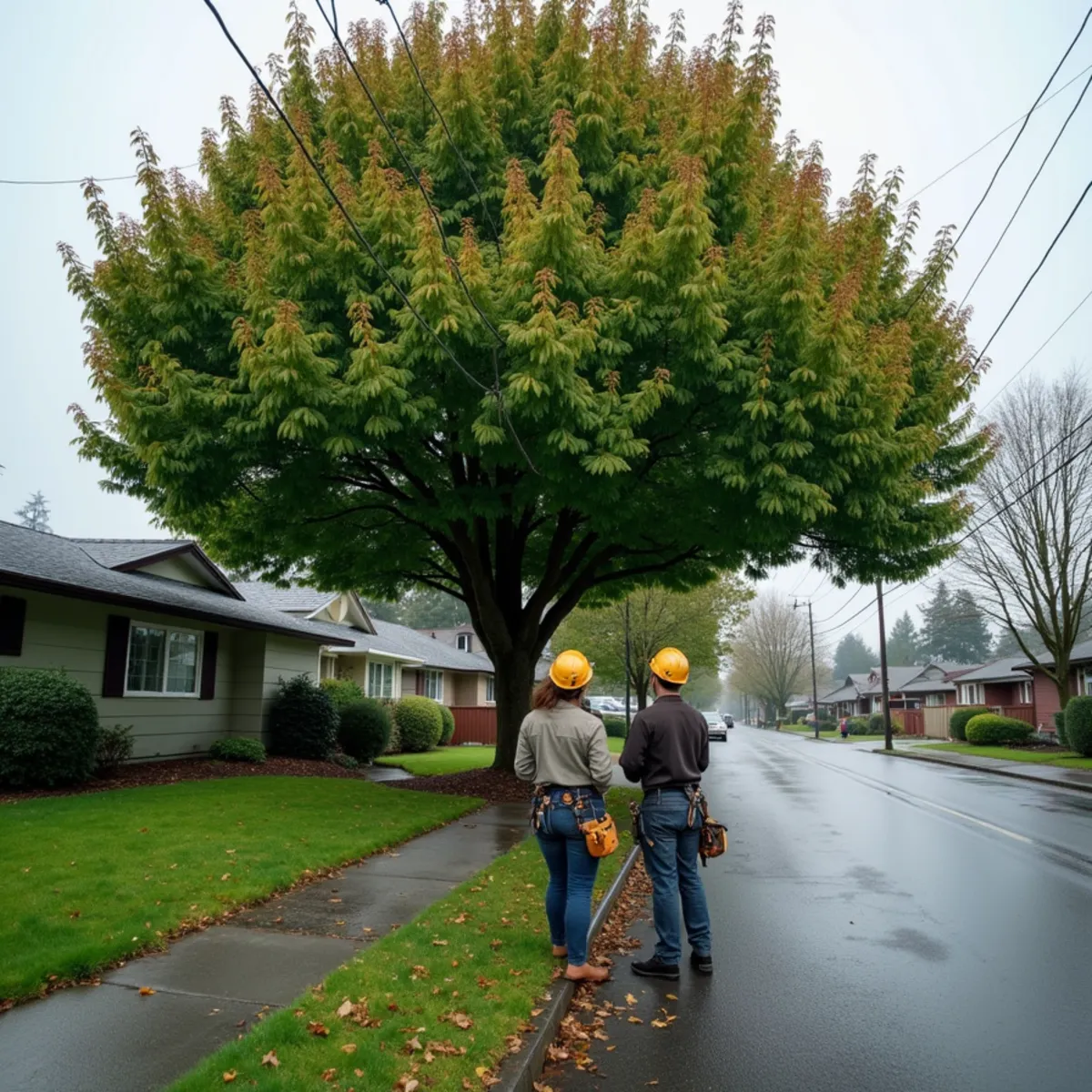
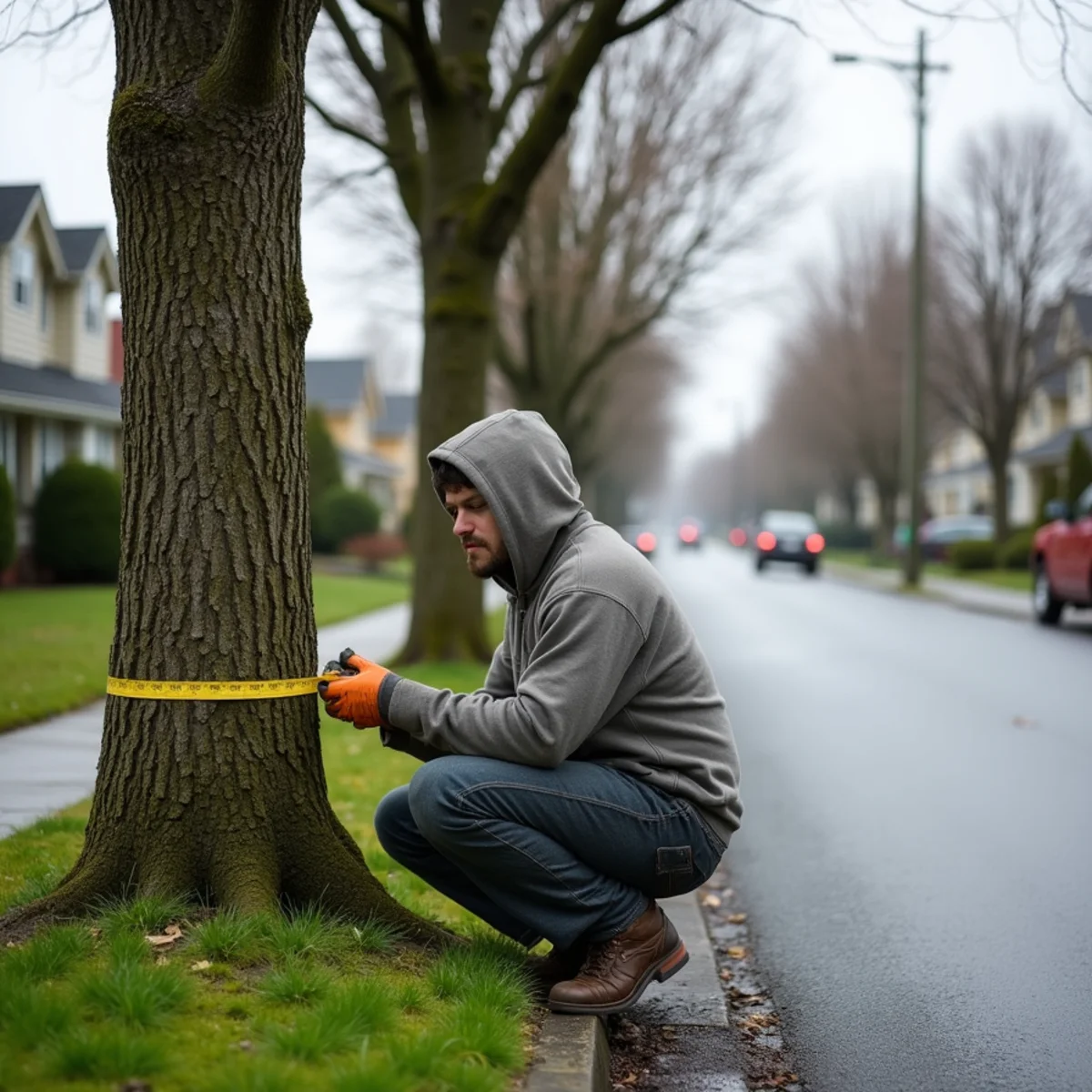
Street trees catch people out constantly. The planting strip in front of your house is generally public right-of-way, and the tree in it is typically the city’s — even though you mow around it and rake it every October. Removal there runs through public works or urban forestry, not the standard permit counter, and approval turns on the tree’s condition rather than your view. If a street tree is genuinely failing, that case can be made — to the right department, before the saw comes out.
Shoreline and Critical Area Overlays Along the Columbia, Cowlitz and Lewis
Water changes everything. Property along the Columbia, the Cowlitz, the Lewis, the Kalama and the Coweeman — plus many parcels near smaller streams and wetlands that never show up on a road map — falls inside shoreline jurisdiction or a critical area buffer. There, vegetation is not landscaping. It is bank stability, shade and habitat, and the review matches.
Steep ground works the same way: the cuts above Kelso, the slopes dropping toward the river through Kalama and Woodland, parts of Washougal, the east Clark County foothills. Roots on a slope are doing structural work and jurisdictions know it. Approval often arrives with conditions — replanting, timing windows, limits on ground disturbance. That is no reason to give up on a hazardous tree. It is a reason to start early, because review takes time a homeowner staring at a leaning fir does not feel they have.
HOA Rules and Plat Conditions
Plenty of the newer subdivisions around Salmon Creek, Ridgefield, Battle Ground and the hills above Longview carry private tree conditions that have nothing to do with any government. Some sit in the covenants. Others were attached to the original plat approval — a screening buffer along a boundary, a retained stand at the back. A city permit does not release you from those, and an architectural committee does not care that the city said yes. If an association governs your lot, ask in writing and keep the reply.
Clearing Acreage and the DNR Forest Practices Application
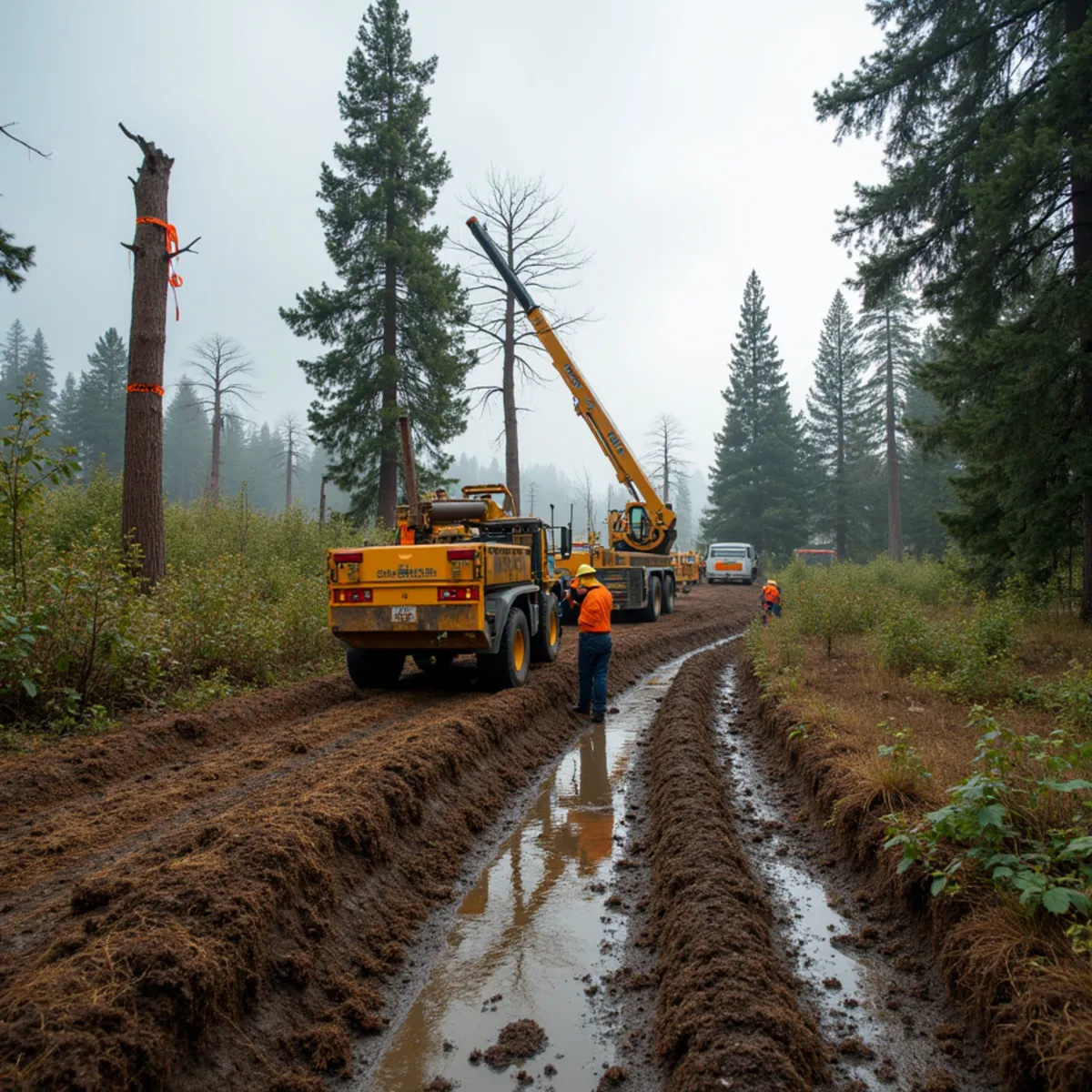
Taking a few trees off a house lot and clearing a wooded acreage are different activities in the eyes of the state. Once you are into commercial timber volume, or converting forested ground to another use, the Washington Department of Natural Resources forest practices system generally enters the picture, and your county has an interest too. Which class of application applies, and how a conversion is treated against future development approvals, are questions for the DNR region office and county planning. Get those from the source, not a tree crew.
What we do is tell you plainly when a job has left yard-tree territory, point you at the right desk, and hold the schedule until the paperwork is real. We have walked away from work that was not ready.
What Permit Assistance Looks Like on Your Job
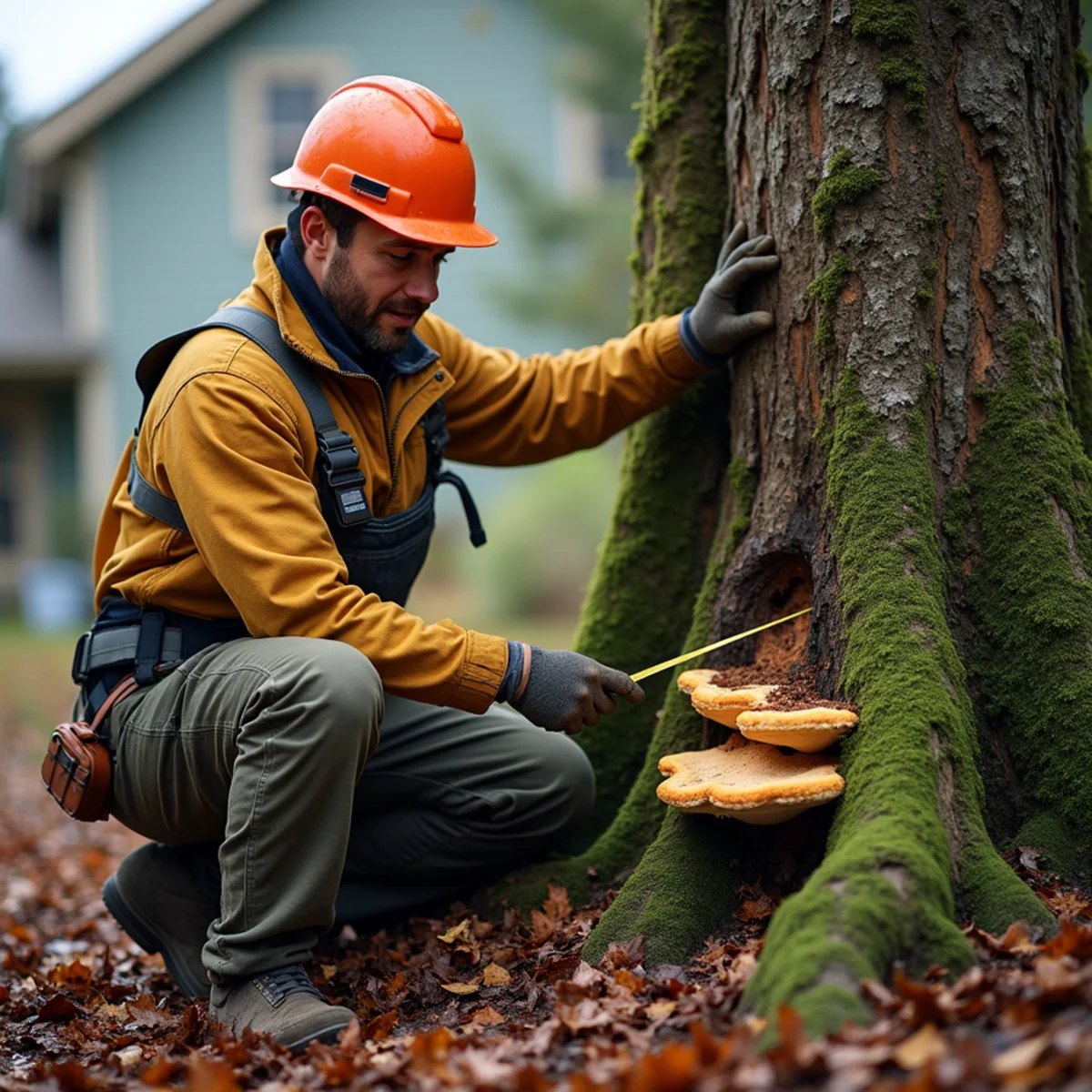
This is not a separate product with its own invoice. It is part of how we estimate. Ryan walks every property himself, and while he is looking at the tree he is already noting what a reviewer will ask about.
- Parcel research — jurisdiction, zoning, and whether any mapped overlay touches the ground around the tree.
- A direct call to the office with authority, so the answer is current rather than remembered.
- Photographs, a simple site sketch, and written observations on the tree’s condition and what sits underneath it.
- The packet prepared and filed on your behalf where a contractor may apply. Where an owner signature is required, you get a finished packet, not a homework assignment.
- Crew scheduled after issuance, with attached conditions met — replanting, debris handling, or a follow-up report.
None of it is glamorous. It is phone calls and PDFs. But it is the difference between a removal that ends when we drive away and one that follows you.
Signs You Need Tree Removal Permit Assistance & Code Compliance
How a Tree Removal Permit Assistance & Code Compliance Job Runs, Start to Finish
Free on-site visit
Parcel and jurisdiction check
A call to the office that enforces it
Documentation assembled
Application prepared and submitted
Work scheduled, conditions met
What Drives the Price of Tree Removal Permit Assistance & Code Compliance
Tree Removal Permit Assistance & Code Compliance on Real Jobs
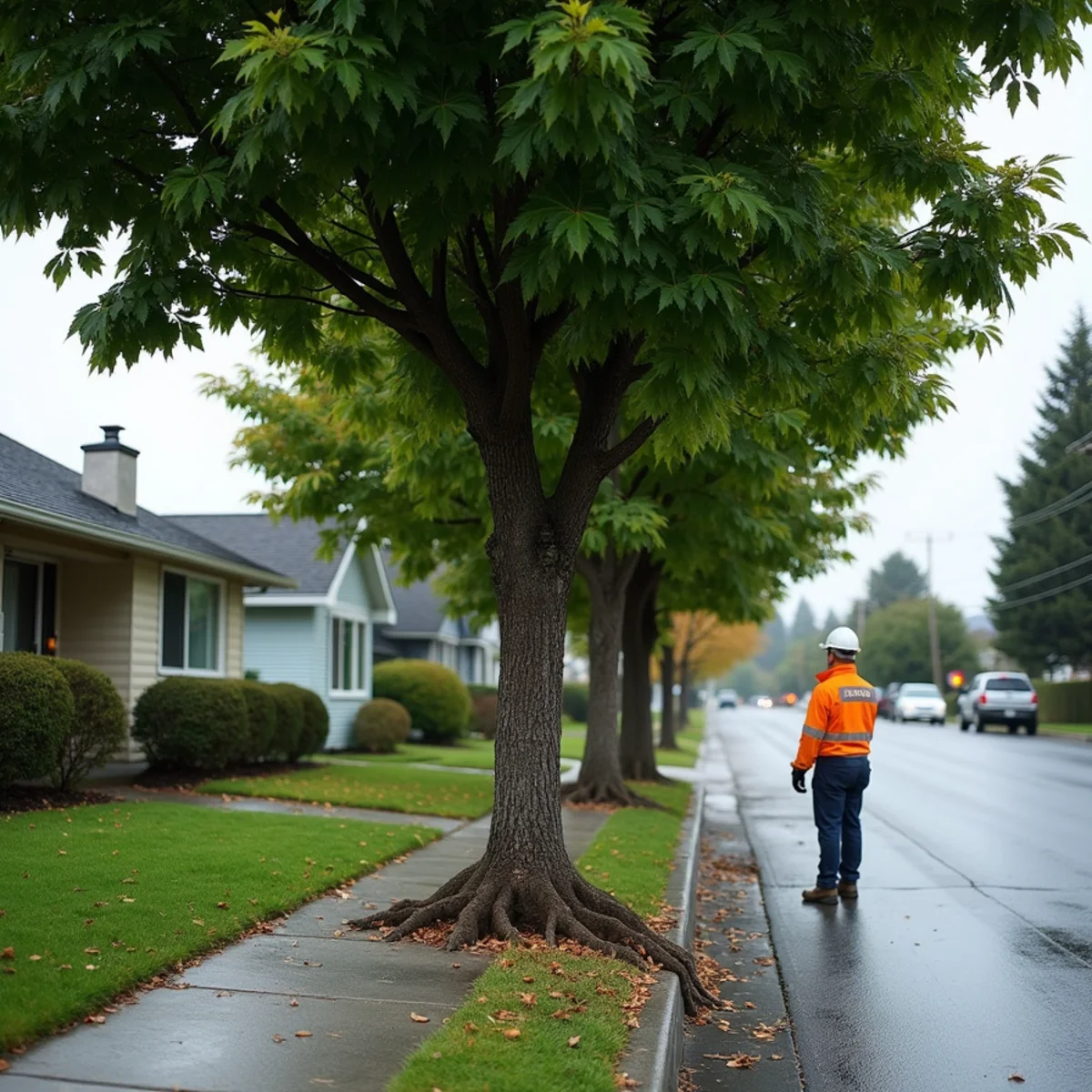
The tree out front is often the city’s, not yours. 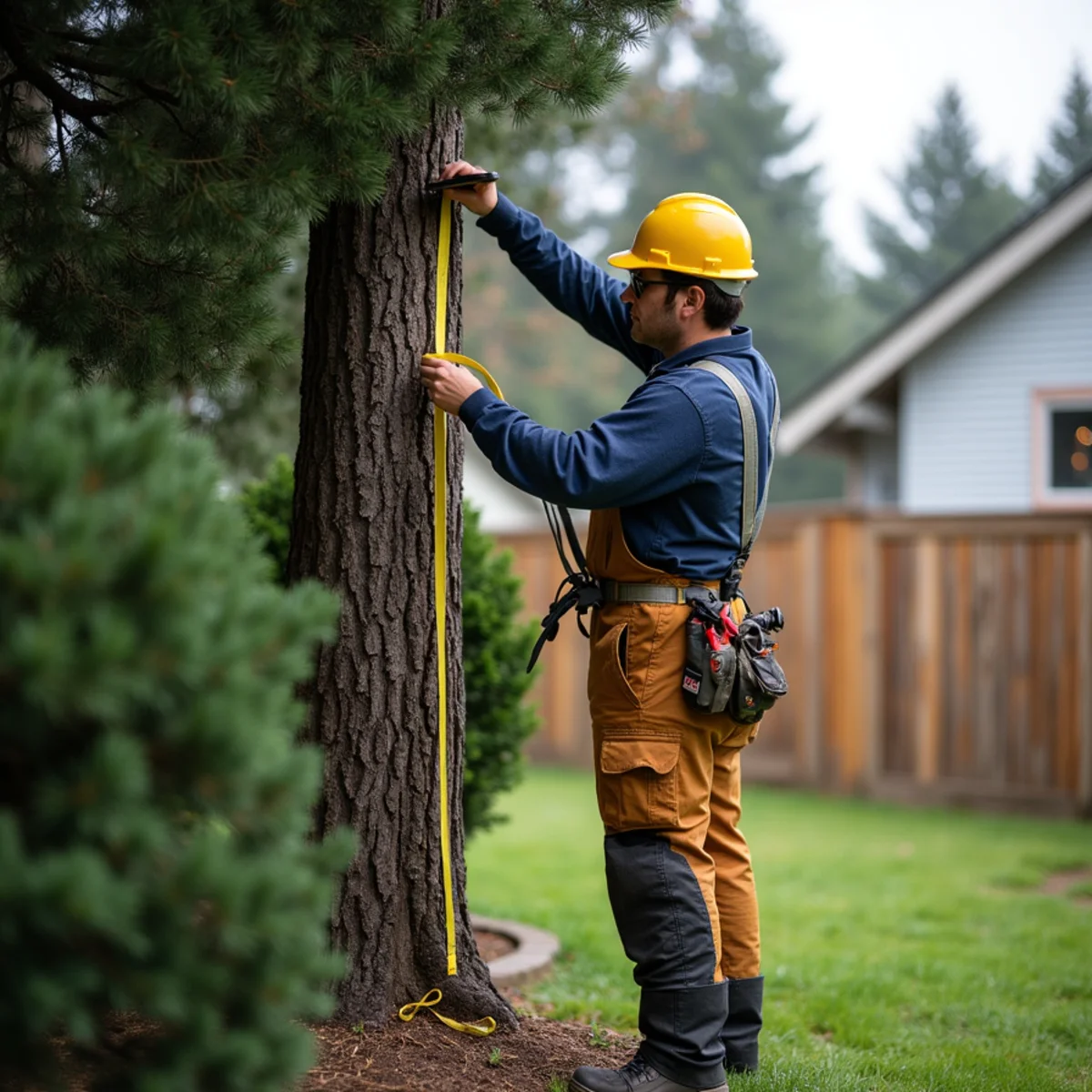
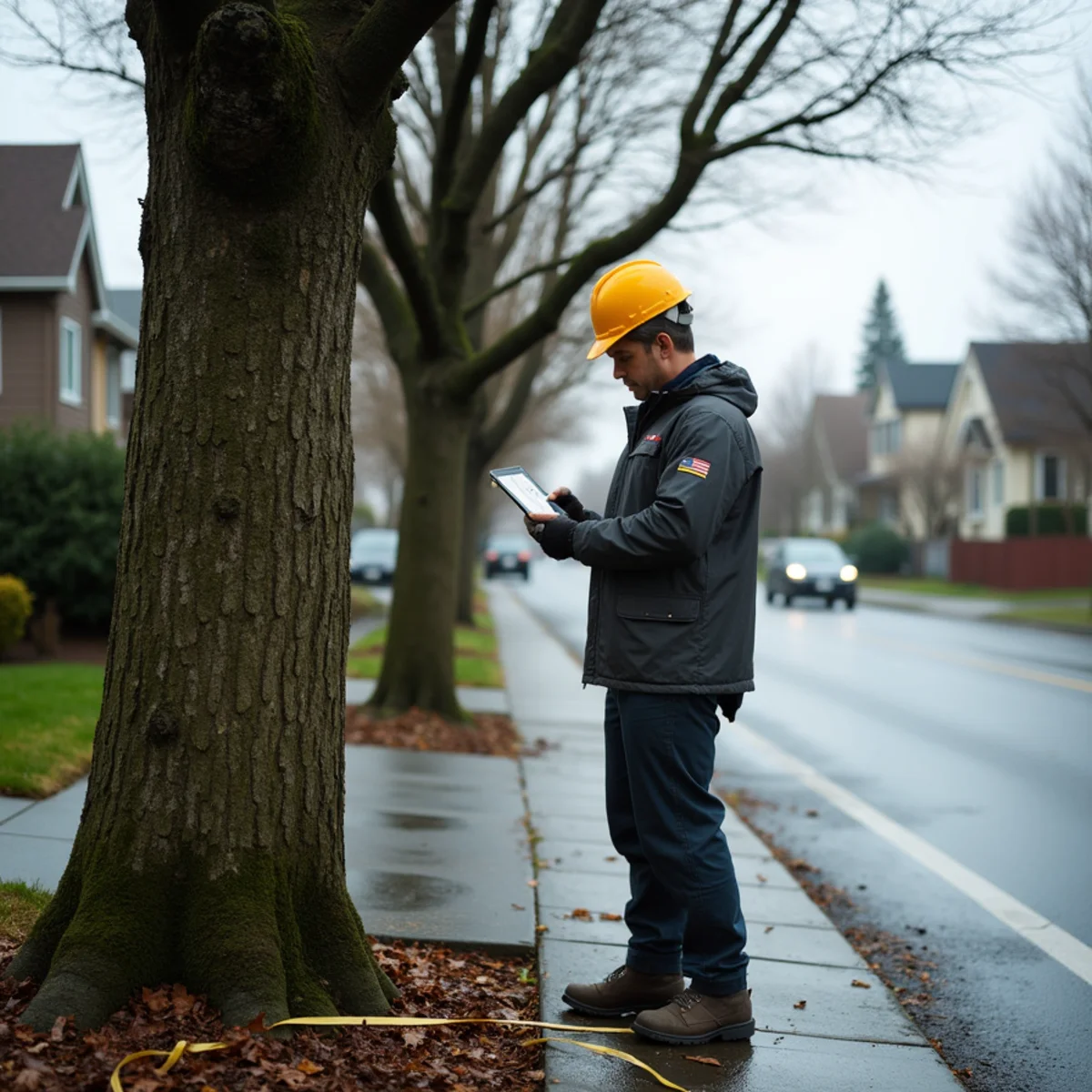
Size thresholds decide whether a permit applies. 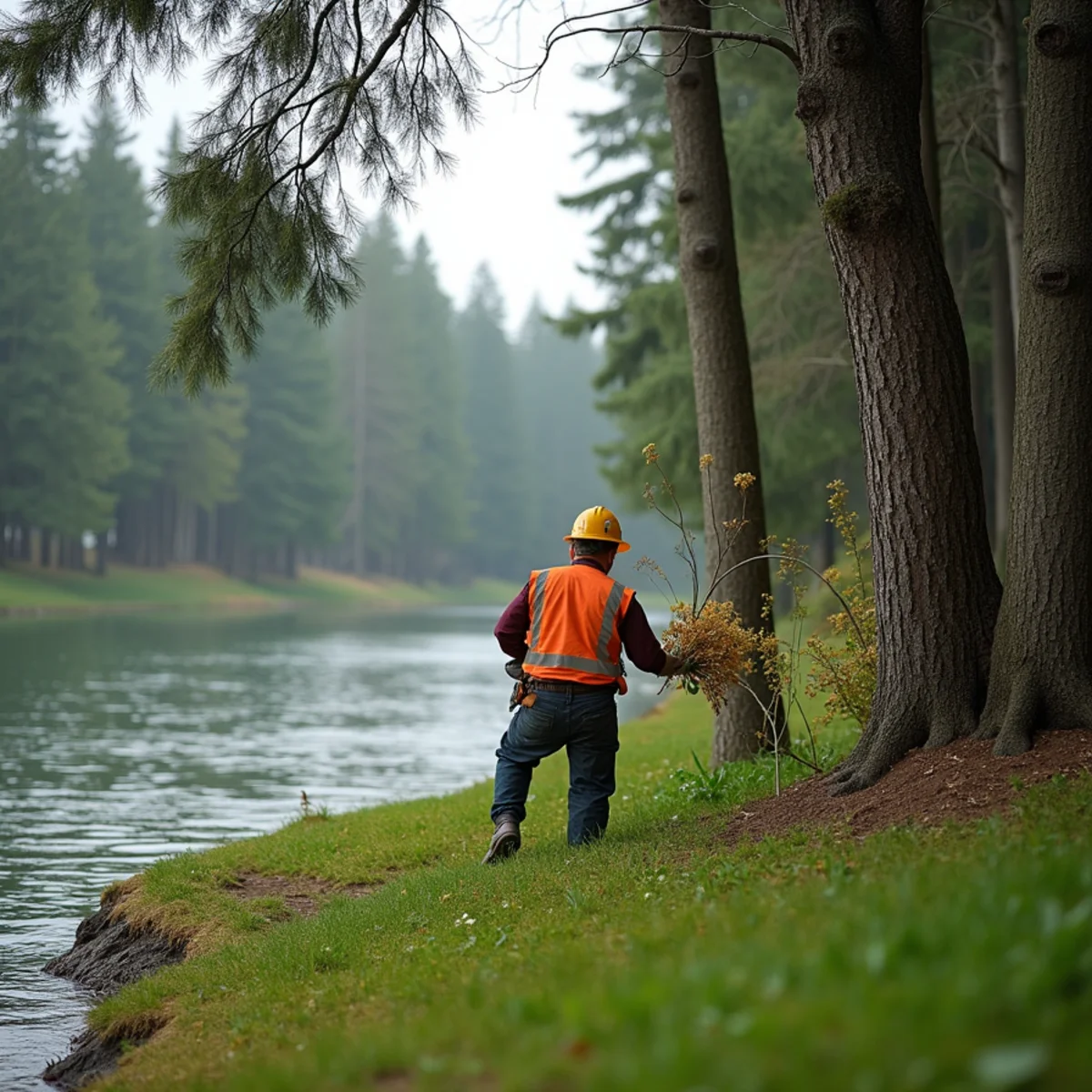
Shoreline and critical-area overlays change the answer.
Get a written price for your tree removal permit assistance & code compliance job.
Tree Removal Permit Assistance & Code Compliance Questions, Answered
Often Booked Together
Related Tree Services
Worth Reading First
Before You Book This Work
Free On-Site Estimates
Need tree removal permit assistance & code compliance? Let’s take a look.
Ryan Norris walks every estimate himself. Free, on-site, and you’ll get a straight answer about whether the work is necessary at all.
- 34 Google reviews
- Licensed & Insured
- Free On-Site Estimates
- Based in Kelso, WA