Cowlitz County · Clark County
View Enhancement & Vista Pruning in Washington
The house was built for the view. Thirty years of growth took it. We give it back the right way, one limb at a time.
- Free On-Site Estimates
- Licensed & Insured
- 34 Google reviews
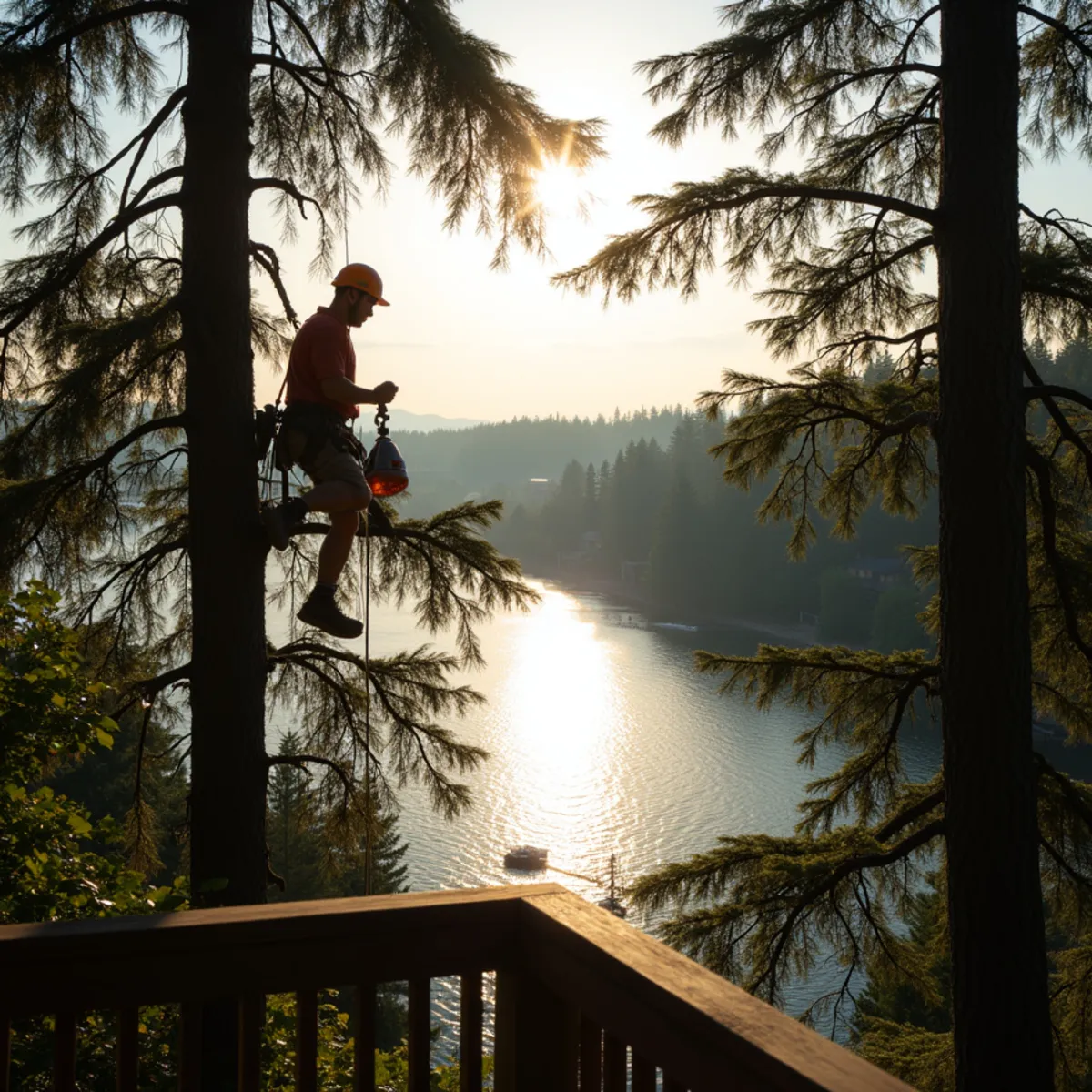
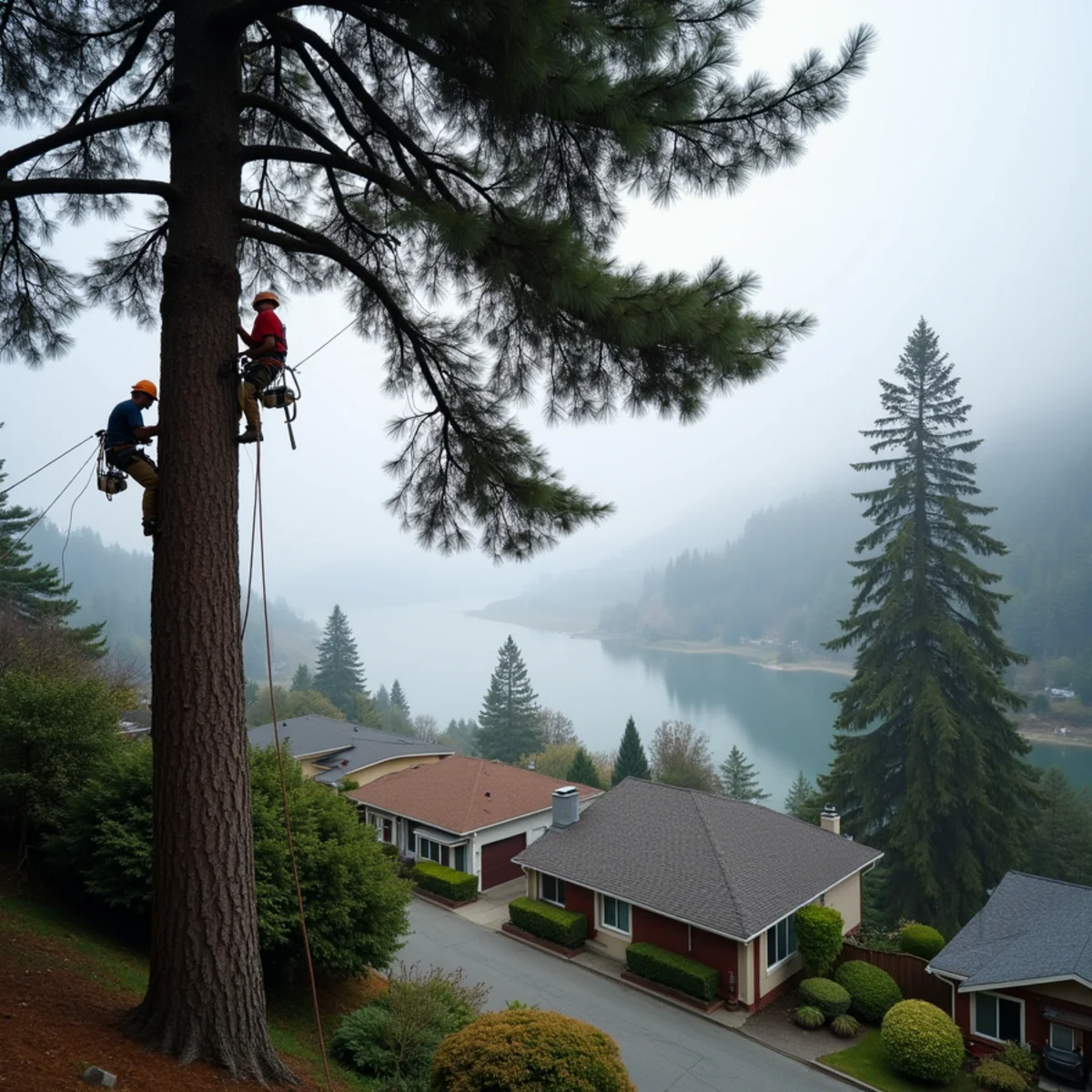
The house was sited for the view. That is the only reason it sits where it sits, up on the Columbia Heights slope with the windows facing southwest. Then thirty years went by. The Douglas firs at the bottom of the bank grew forty feet, alder filled in behind them, and now you can see the top cables of the Lewis and Clark Bridge if you stand at the deck rail and lean.
A view does not come back by accident, and it does not come back by cutting everything shorter. It comes back by deciding, tree by tree and limb by limb, which pieces of green sit between your window and the water — then taking those and nothing else. Done well, nobody driving past can tell the trees were touched. Done badly, you get stubbed-off spars that regrow into a thicker wall inside five years.
Windowing, Skirting and Crown Reduction: The Actual Techniques
Vista pruning is not one cut. It is a set of methods, picked for what is in the way and where you stand when you look. Eye level at the kitchen sink is a different problem from a deck twelve feet up. We work out the sightline from inside the house first, then decide what comes off.
- Windowing — removing selected interior branches to open a clean gap you look through, while the outline and top of the tree stay as they are. The most surgical option, and usually what people are really after when they say they want the tree gone.
- Skirting, also called limbing up — taking lower limbs off so you look underneath the canopy instead of through it. On mature firs standing below a bluff, skirting alone often hands back the entire waterline.
- Crown reduction — shortening leaders and outer branches back to a suitable lateral limb, lowering overall height while keeping a natural shape and leaving the tree able to seal its wounds. This is the honest version of what most people mean when they say topping.
- Crown thinning — pulling out a measured share of interior growth so light and view pass through the canopy rather than around it. There is a ceiling on this: take too much and the tree throws a flush of water sprouts that closes the gap right back up.
- Selective removal — sometimes the right answer is that one tree out of nine comes out and the other eight are left alone. Picking the correct single tree can open more sky than pruning all nine.
Why We Will Not Top Your Firs for a View
Topping means cutting a trunk or a leader off at a convenient height, with no regard for where the next lateral branch is. Fast, cheap, and the most destructive thing anyone can do to a conifer. The stub cannot seal a wound that size, so decay walks down the center of the trunk. The tree answers with dozens of shoots from dormant buds, attached to the outside of the bark rather than into the wood. Five years later you have a denser screen than before, on attachments that snap in a south wind.
Douglas fir, grand fir and western hemlock are especially unforgiving about it. They lack the latent bud reserves many hardwoods carry, so a topped conifer often never rebuilds a real crown — it stands there dying slowly and shedding pieces. That is a hazard tree you paid to create, on a slope, above the house you were trying to open up.
There is one honest exception, and we would rather name it than pretend otherwise. A few hardwoods on rural and orchard ground — walnut is the usual one out here — tolerate a hard reduction and respond to it. On a farm place where two walnuts stand between the house and the valley, cutting them back hard is a legitimate call. We will tell you which category your tree falls into before we quote it.
Where View Clearing Pays Off in Cowlitz and Clark County
The geography here is generous with views and stingy about keeping them. Columbia Heights and Beacon Hill look down over Longview toward the river. The Kelso Highlands sit above the Cowlitz valley, and the Kalama bluffs run along the water. In Clark County, Prune Hill in Camas and the ridges above Washougal catch the Columbia and, from the right angle, Mount St. Helens. All of it grows fir faster than the people living there expect.
On a steep bank the arithmetic favors you. Trees below the house need only their tops managed or their lower limbs cleared, since you already look over most of the stem. On flatter ground — the Longview grid, older Kelso streets — the blocking canopy sits at eye level, so windowing and thinning do the work instead.
When the Tree Blocking the View Is Not Yours
Sort this out before anyone bids the job. Washington gives you no general right to a view, and nothing entitles you to see the river over someone else’s property. Cutting across a line without written permission is a fast way into a dispute that costs more than the pruning would have. We will not put a saw into a tree unless the person who owns it has said yes.
- Confirm who owns the trunk. A tree is owned by whoever owns the ground the trunk stands in, regardless of where the branches reach.
- Get written permission from the neighbor, naming the trees and the work. A friendly text message is better than nothing and a signed note is better than a text.
- Check your CC&Rs. Plenty of Southwest Washington subdivisions have view provisions, height limits or an architectural committee that has to approve pruning.
- Ask the HOA before, not after. We work with boards and property managers regularly and can put the scope in writing for a committee to review.
- Watch for critical-area, shoreline and steep-slope overlays, which are common on exactly the bluffs that have the best views. We check the rules for your address as part of the estimate.
Staged View Plans Instead of One Big Cut
The best view jobs happen over years, not in one afternoon. A tree can only lose so much live canopy in a season and stay healthy, and pushing past that produces the sprouty regrowth you were trying to avoid. On bigger properties we lay out a plan: open the primary sightline this year, come back the following winter for the secondary trees, hold the rest in reserve.
Intervals depend on species and on how tightly you want the view held. Fast growers along a bank may want a touch every three years. A windowed maple might hold its gap for five or more. Ryan walks the property himself and tells you what he would do, in what order.
Signs You Need View Enhancement & Vista Pruning
How a View Enhancement & Vista Pruning Job Runs, Start to Finish
Free on-site look, from where you actually sit
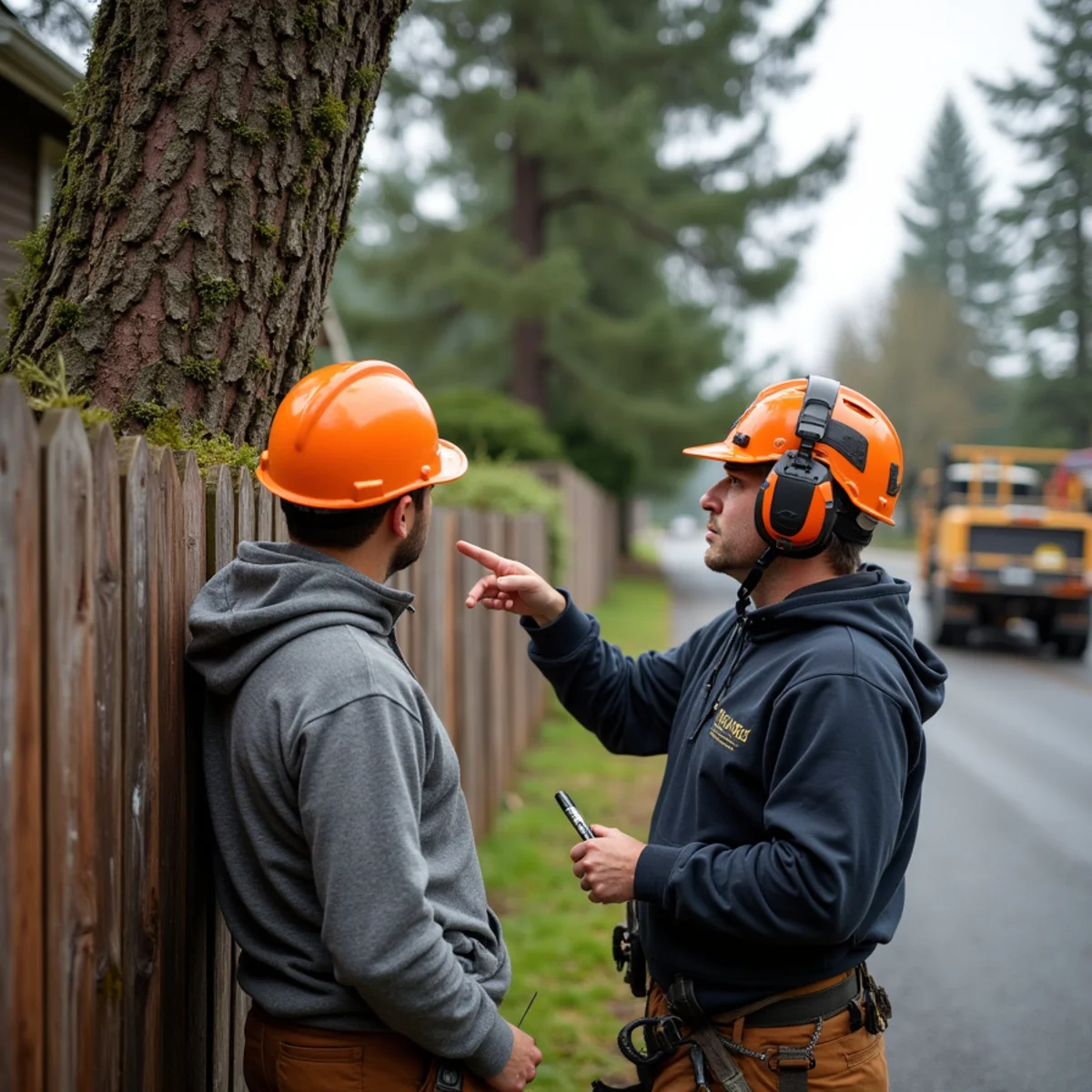
Tree-by-tree walk of what is in the way
A written plan naming the technique per tree
Permissions and paperwork sorted first
Climb, cut, and check from the window
Cleanup, and a plan for next time
What Drives the Price of View Enhancement & Vista Pruning
View Enhancement & Vista Pruning on Real Jobs
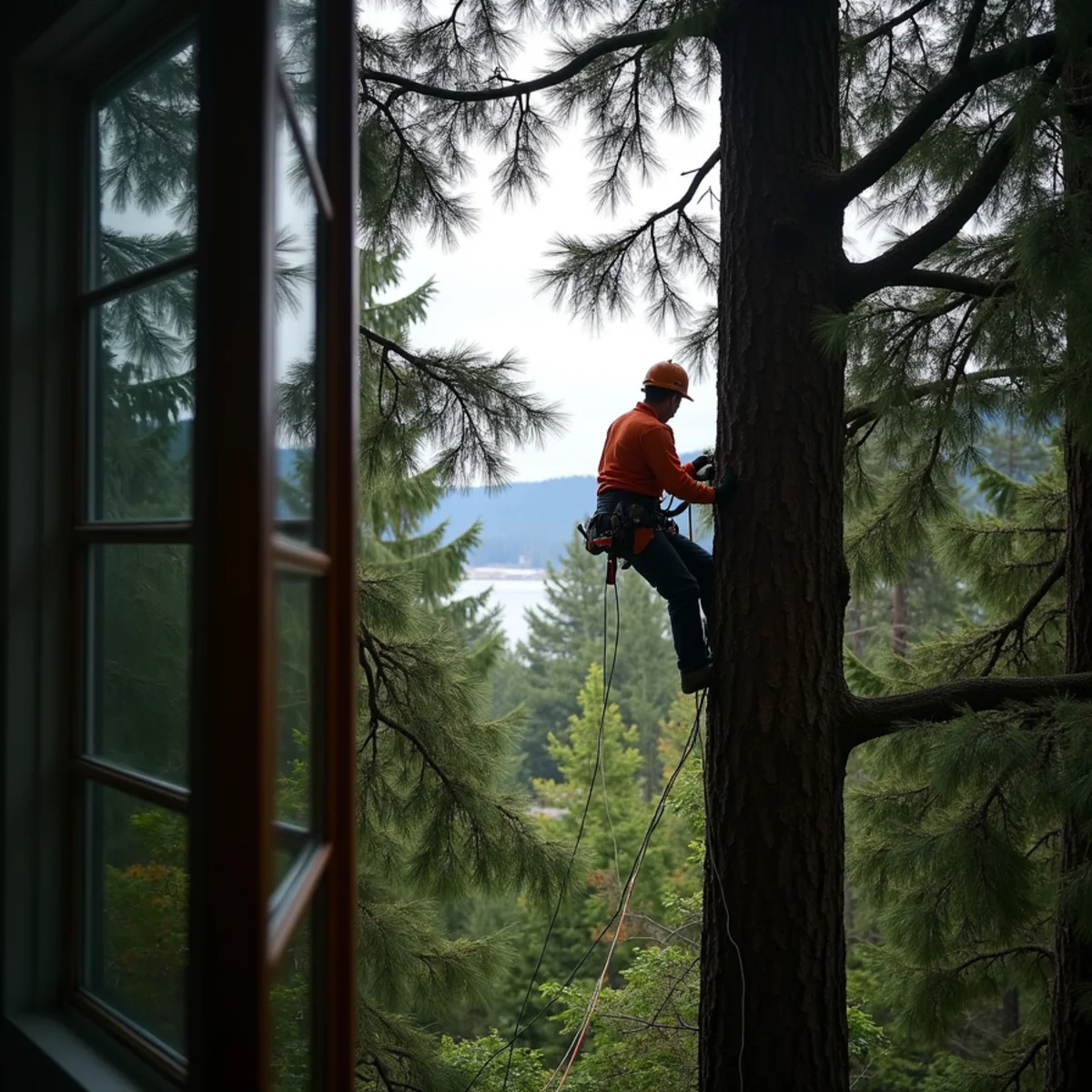
Windowing opens a corridor without touching the top. 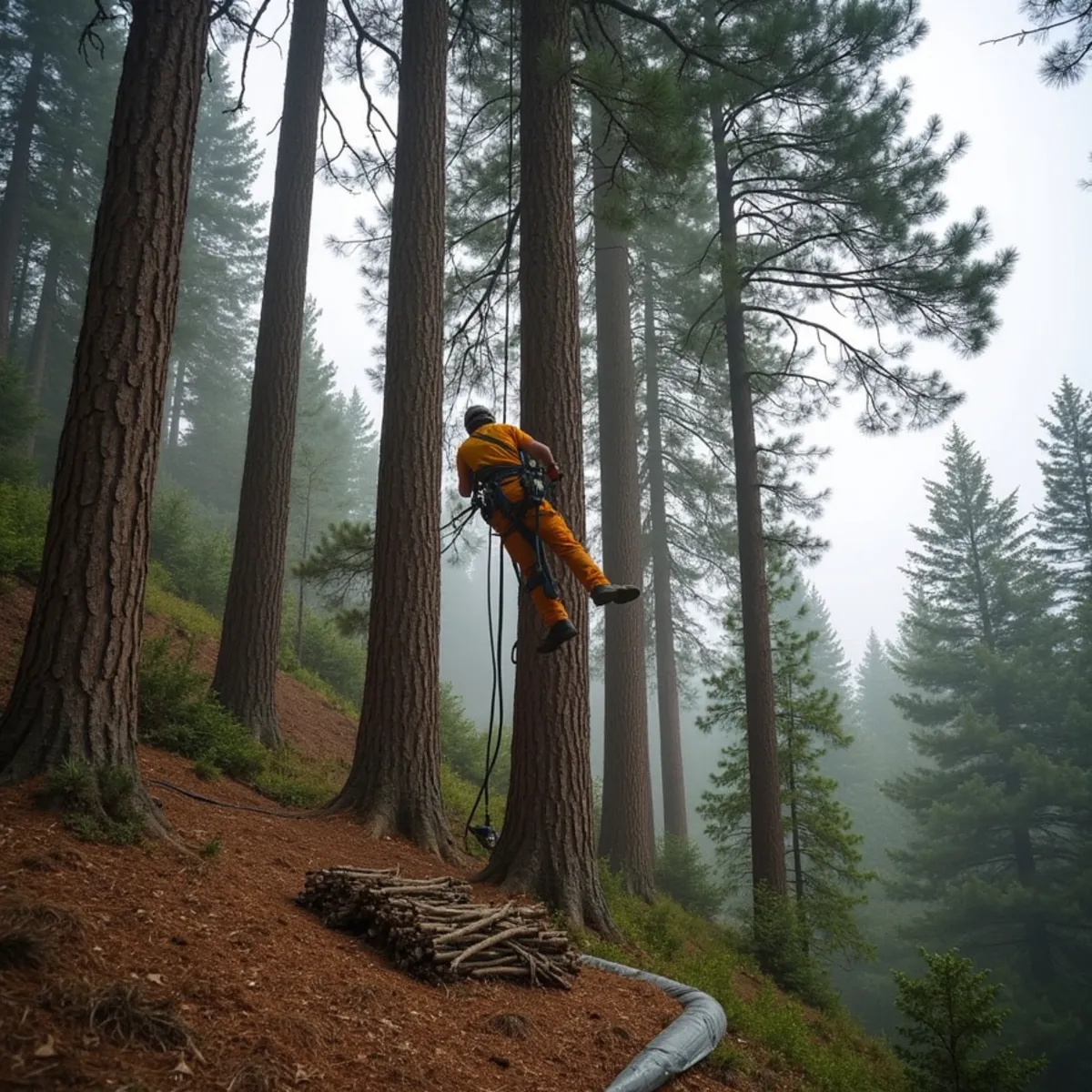
Skirting lifts the view line and keeps the tree. 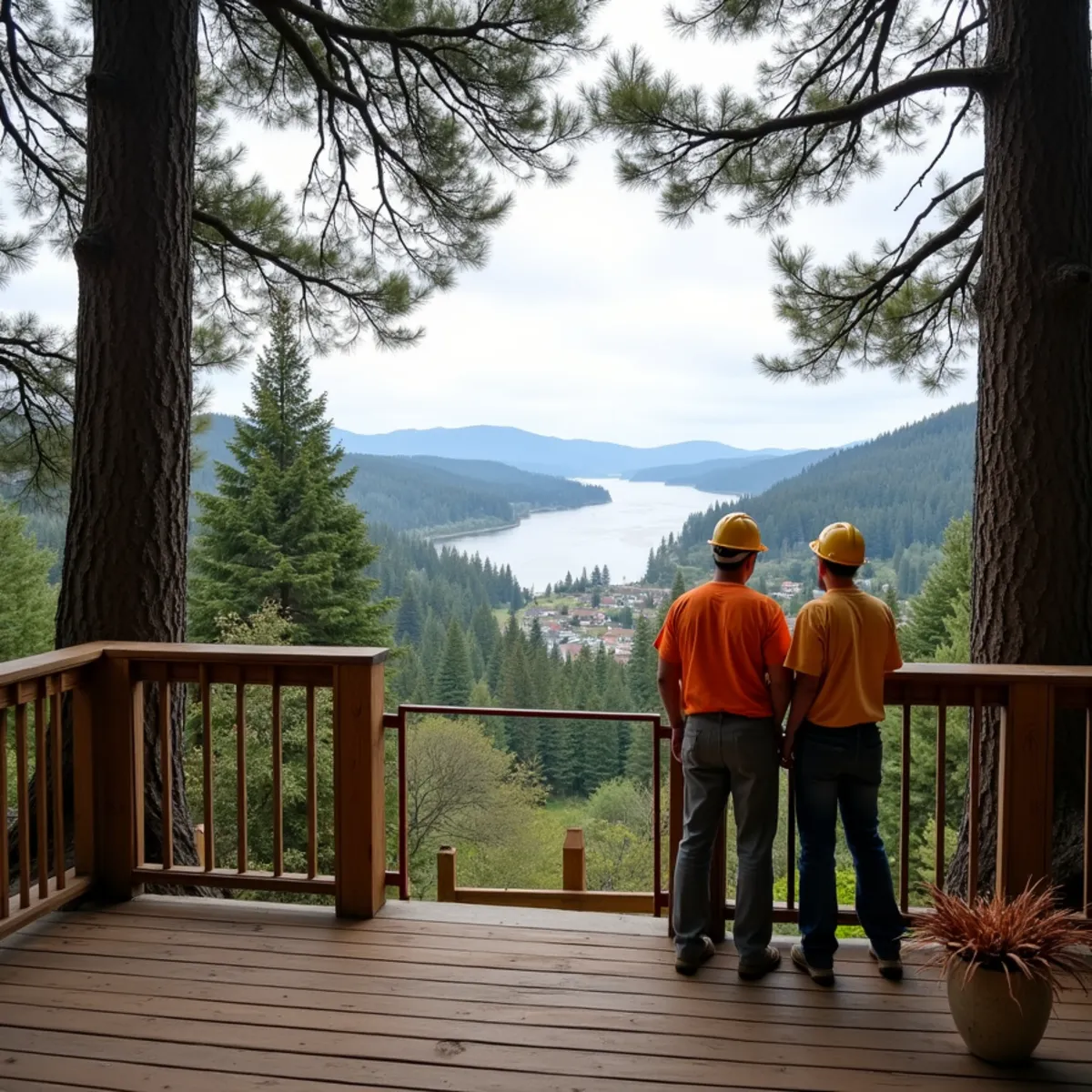
The view comes back. The trees stay standing.
Get a written price for your view enhancement & vista pruning job.
View Enhancement & Vista Pruning Questions, Answered
Often Booked Together
Related Tree Services
Worth Reading First
Before You Book This Work
Free On-Site Estimates
Need view enhancement & vista pruning? Let’s take a look.
Ryan Norris walks every estimate himself. Free, on-site, and you’ll get a straight answer about whether the work is necessary at all.
- 34 Google reviews
- Licensed & Insured
- Free On-Site Estimates
- Based in Kelso, WA