
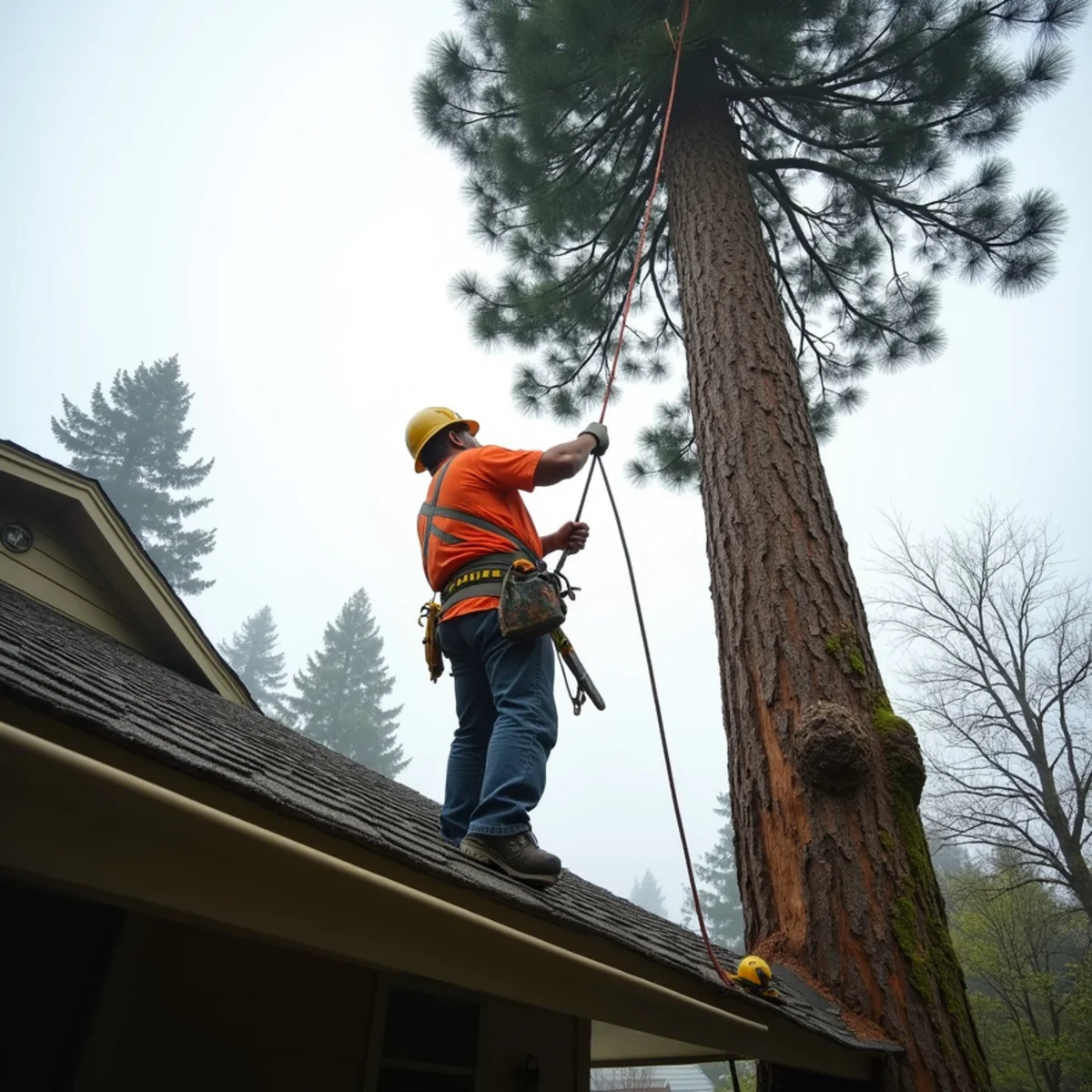
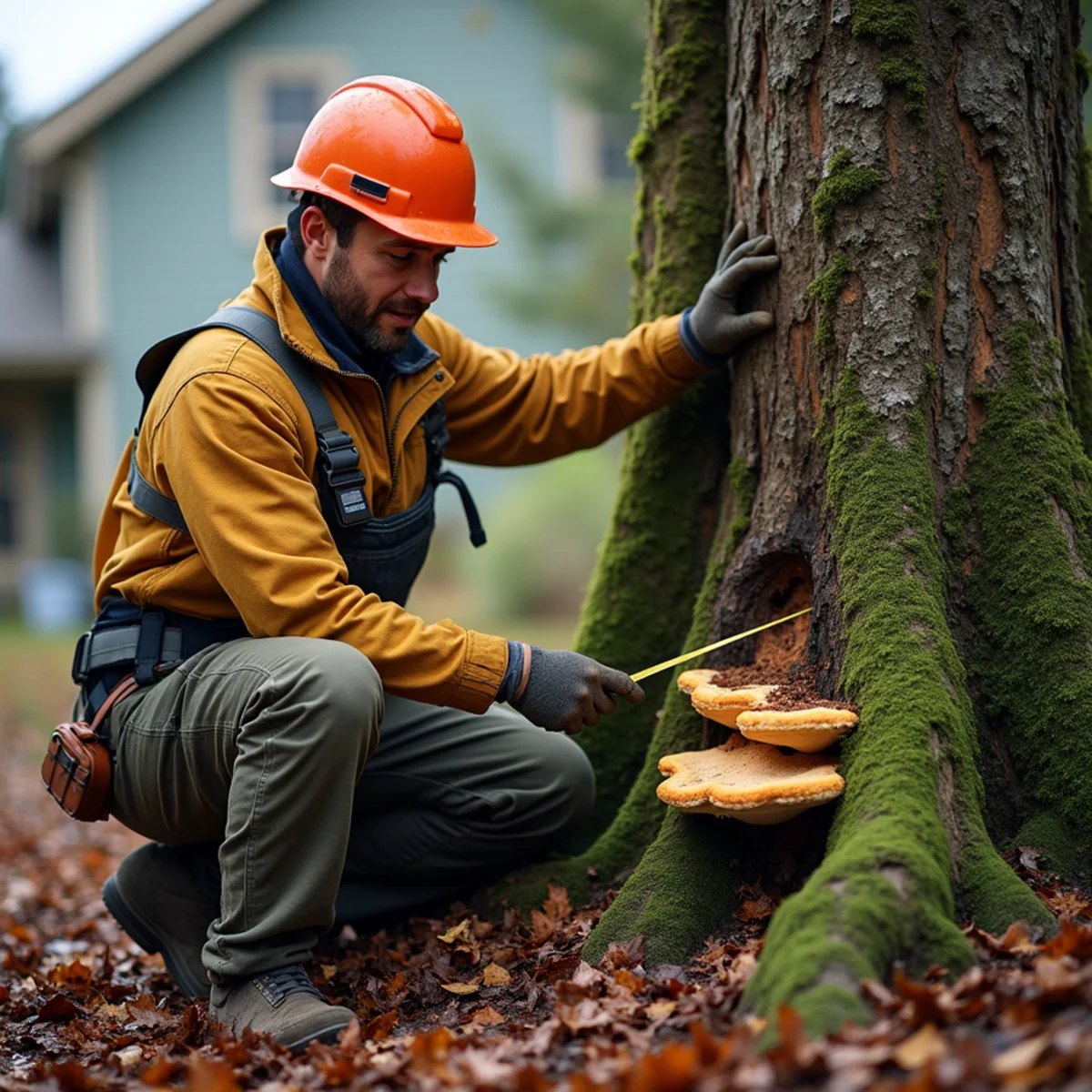
Cowlitz County · Clark County
Tree Risk Assessment & Written Arborist Reports in Washington
Sometimes the thing you need is not a chainsaw. It is a clear written opinion about a tree, from someone who has no reason to shade it either direction.
- Free On-Site Estimates
- Licensed & Insured
- 34 Google reviews
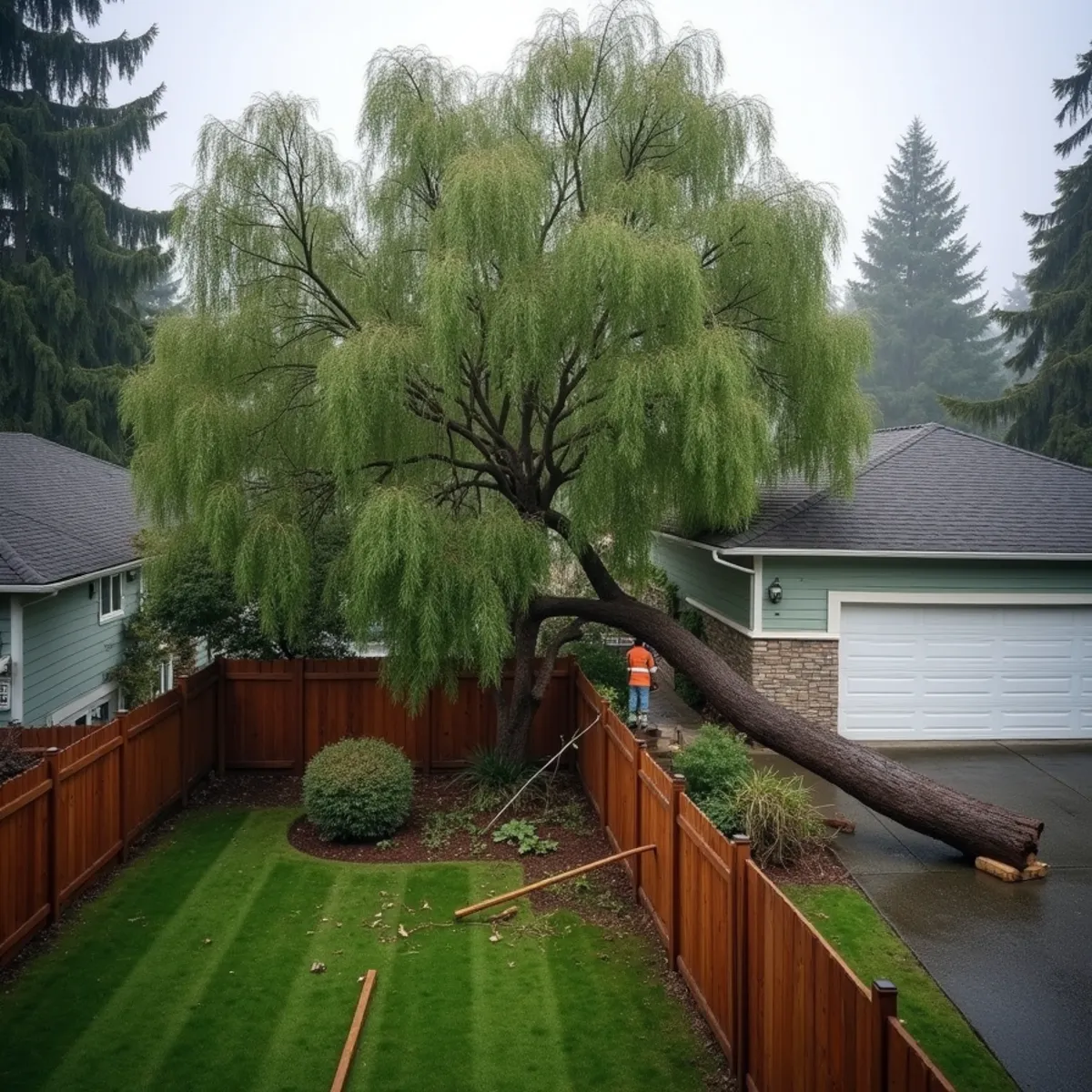
These calls almost always arrive with a deadline attached. Escrow on a Longview house closes in eleven days and the buyer’s inspector wrote “large fir near dwelling, recommend arborist evaluation” on page forty. An adjuster wants something in writing before he will authorize the maple that folded onto the carport. An HOA board in Battle Ground has two owners on opposite sides of one tree and needs an opinion from somebody who is not either of them. None of those people need a chainsaw yet. They need a document.
A tree risk assessment is a walk-through of one specific tree, on one specific property, with one specific thing sitting underneath it, written down so that a lender, a permit reviewer, a claims adjuster or an attorney can read it and understand what we saw. We do these as standalone work. That matters, because a report is only worth the paper it is printed on if the person writing it is genuinely willing to conclude that the tree stays.
What a Tree Hazard Evaluation Actually Measures
Homeowners tend to use "hazard tree" to mean big, or dead, or scary. In practice a hazard is the intersection of three separate things, and the report has to address each one on its own before it can conclude anything. Miss one and the whole assessment falls apart — which is why a two-line note from somebody who eyeballed a tree from the truck rarely survives contact with an adjuster.
- The defect. Something structural and observable: an included-bark union, a cavity, decay fungi at the buttress, root severance from a trench or a driveway cut, a fresh crack, a canopy full of deadwood.
- The likelihood of failure. How probable it is that the defective part actually breaks, and over what window — this winter, or sometime in the next decade. A defect alone is not a prediction.
- The target. What the failure would land on, and how often anything or anybody is there. A target with nobody in it most of the year is a different problem than a target with a crib under it.
A leaning cottonwood over a hayfield on Ostrander Road can carry an obvious defect and a high chance of failure and still not be a hazard in any meaningful sense, because nothing is under it. Move that same cottonwood to the edge of a gravel turnaround where the school bus stops and the conclusion flips. Same tree, same defect, different report.
Likelihood Is Two Questions, Not One
This is where most informal opinions go wrong. Likelihood of failure and likelihood of impacting the target are separate calculations. A fir with a compromised root plate on the north side of a Kelso lot is very likely to fail eventually, but our prevailing winter wind comes up the river from the south and southwest, which means the tree is being pushed away from the house rather than toward it. The report says so, along with what would change that answer.
What a Written Arborist Report Contains
Nobody reading your report was standing there with us. The document has to reconstruct the site well enough that a stranger reaches the same conclusion, and it has to be dated, because tree condition is a moving target.
- Property address, date of inspection, and who requested the evaluation and why.
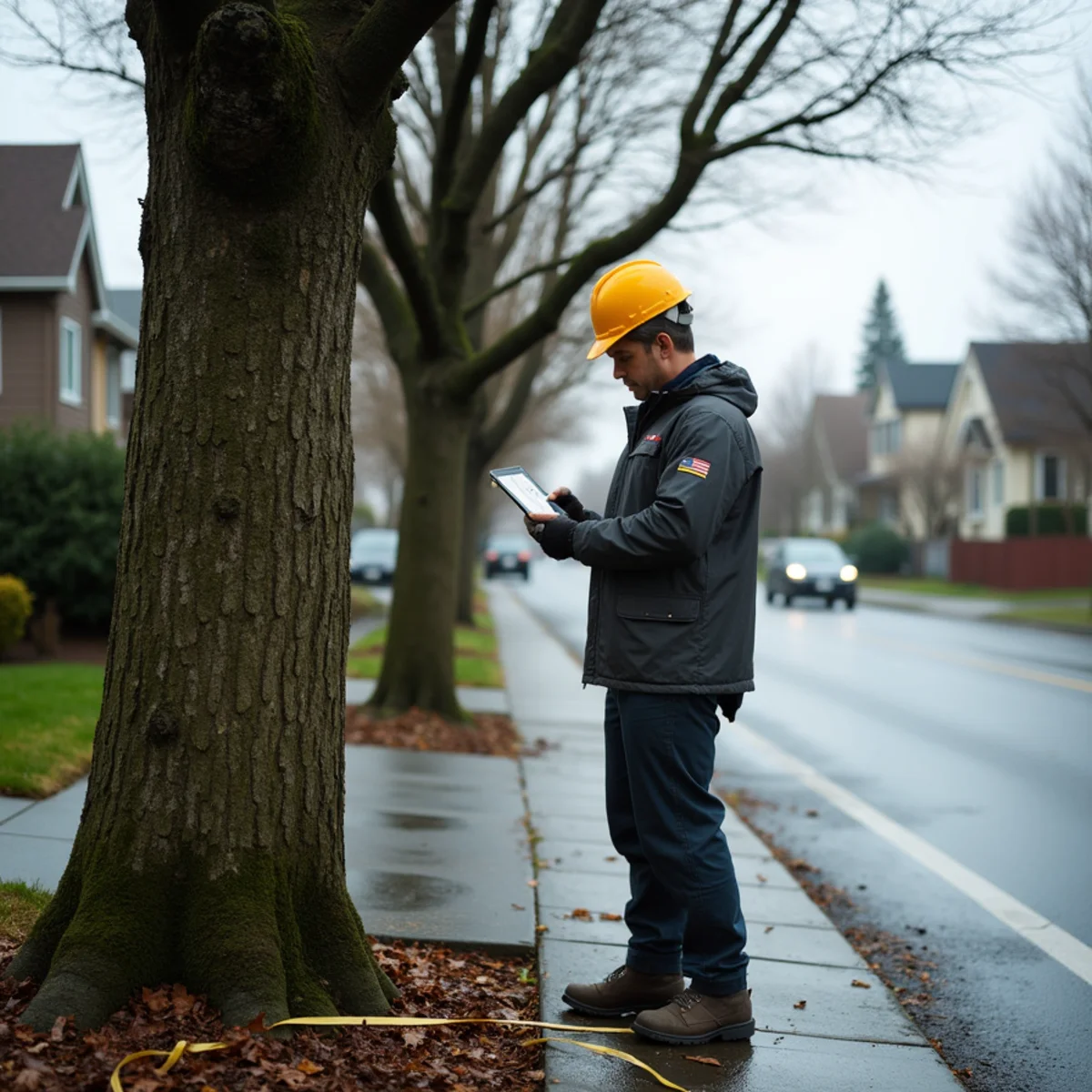
- Species, approximate height, trunk diameter at breast height, and the tree’s position relative to structures, lines and property boundaries.
- Observed conditions from the root collar up — soil, buttress, trunk, unions, scaffold limbs, canopy density and dieback.
- The specific defects found, described plainly, with photographs keyed to the text.
- The targets underneath, and an honest note on how often they are occupied.
- Our conclusion on likelihood of failure and severity of consequences, stated as a rating rather than a mood.
- The recommendation: removal, mitigation, or monitoring — with a re-inspection interval when the tree stays.
The Situations That Send People Looking for One
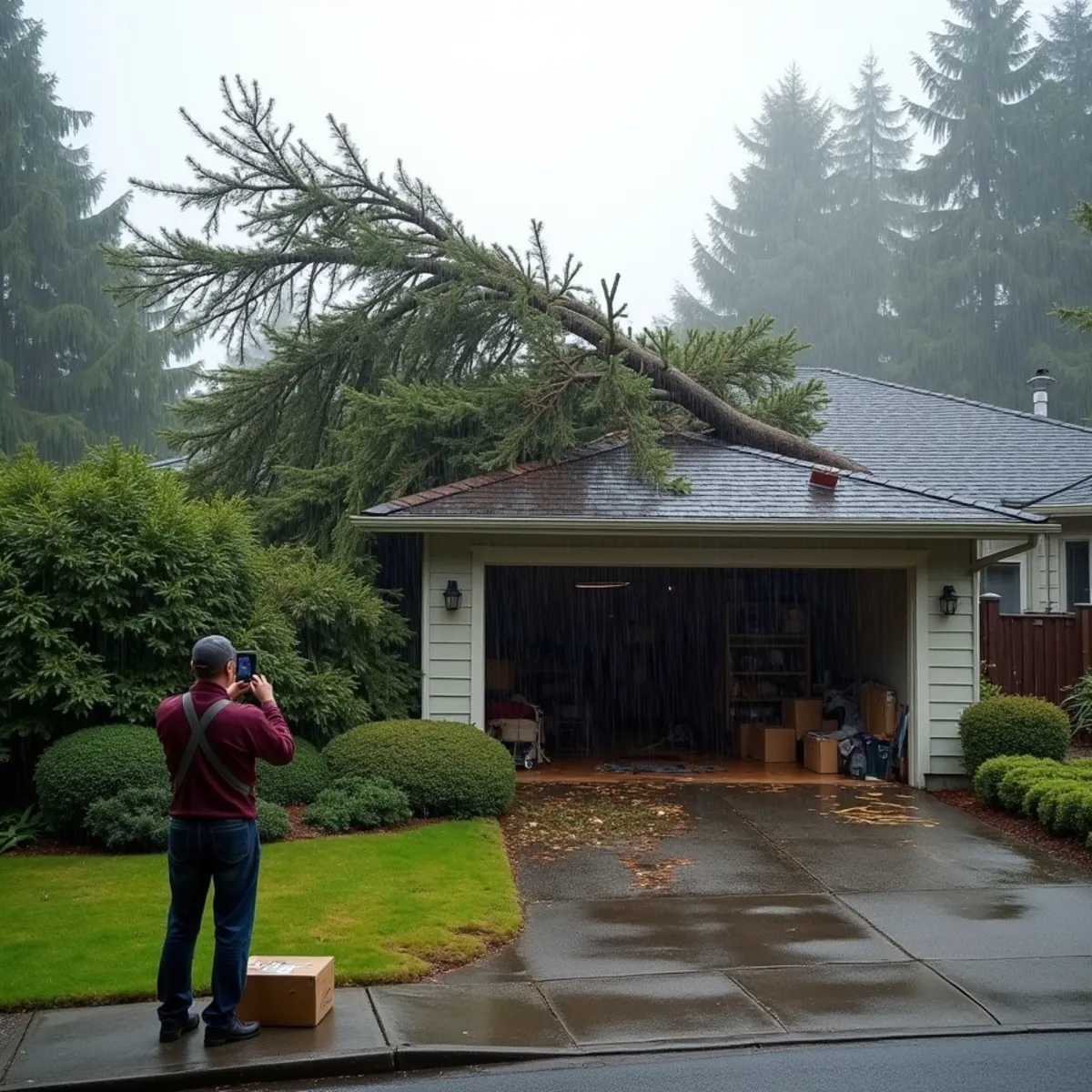
- Insurance. Carriers want documentation of pre-existing condition, cause of failure, and whether the loss was sudden or the result of long-term neglect. Those three answers decide the claim.
- Real estate. Inspectors flag trees they are not qualified to judge, and lenders will occasionally hold funds over one. A dated evaluation closes the item out either way.
- Permits. Several jurisdictions in Clark and Cowlitz County will waive or fast-track removal of a demonstrably hazardous tree, but only on written evidence — not on a phone description.
- HOA and property management. Boards need a neutral third party on record before they spend association money or deny an owner’s request.
- Neighbor disputes. The tree is on their side, the branches and the risk are on yours, and the conversation has stopped being friendly.
Why Written Notice Changes a Neighbor Tree Dispute
Washington courts have generally held that a landowner is not automatically liable when a tree fails on its own — but that protection thins considerably once the owner knew, or reasonably should have known, that the tree was dangerous. Verbal warnings over the fence are notoriously hard to prove a year later. A dated evaluation with photographs, delivered to the tree’s owner, converts "I had no idea" into a much harder position to hold.
We are tree people, not attorneys, and we will not pretend otherwise. What we can do is put down accurately what is wrong with the tree, when we looked at it, and what we told you. If the matter is genuinely heading toward a claim or a courtroom, get a lawyer — and hand them a report that was written before anything fell rather than after.
Plenty of Our Reports Say Keep the Tree
Somewhere close to half of these evaluations end without a removal recommendation. A crown reduction to shed sail area. A cable installed between two leaders to buy a mature bigleaf maple another twenty years. Deadwood cleaned out of a canopy that overhangs a patio. Or the least expensive fix on the entire menu, which nobody ever suggests first: move the target. Relocate the parking spot, the trampoline, the chicken run. The tree stops being a hazard the moment nothing valuable is standing beneath it.
Ryan walks these himself, the same as every other estimate. He is the one who would have to rig the tree out if it goes, and he is the one whose name is on the report if it stays. That arrangement keeps everybody honest. When a tree is sound, saying so in writing is the most useful thing we can hand you.
Signs You Need Tree Risk Assessment & Arborist Reports
How a Tree Risk Assessment & Arborist Reports Job Runs, Start to Finish
Tell us what the report is for
Free on-site visit
Ground-up inspection
Targets and occupancy
Written report with photographs
Follow-up if you want it
What Drives the Price of Tree Risk Assessment & Arborist Reports
Tree Risk Assessment & Arborist Reports on Real Jobs
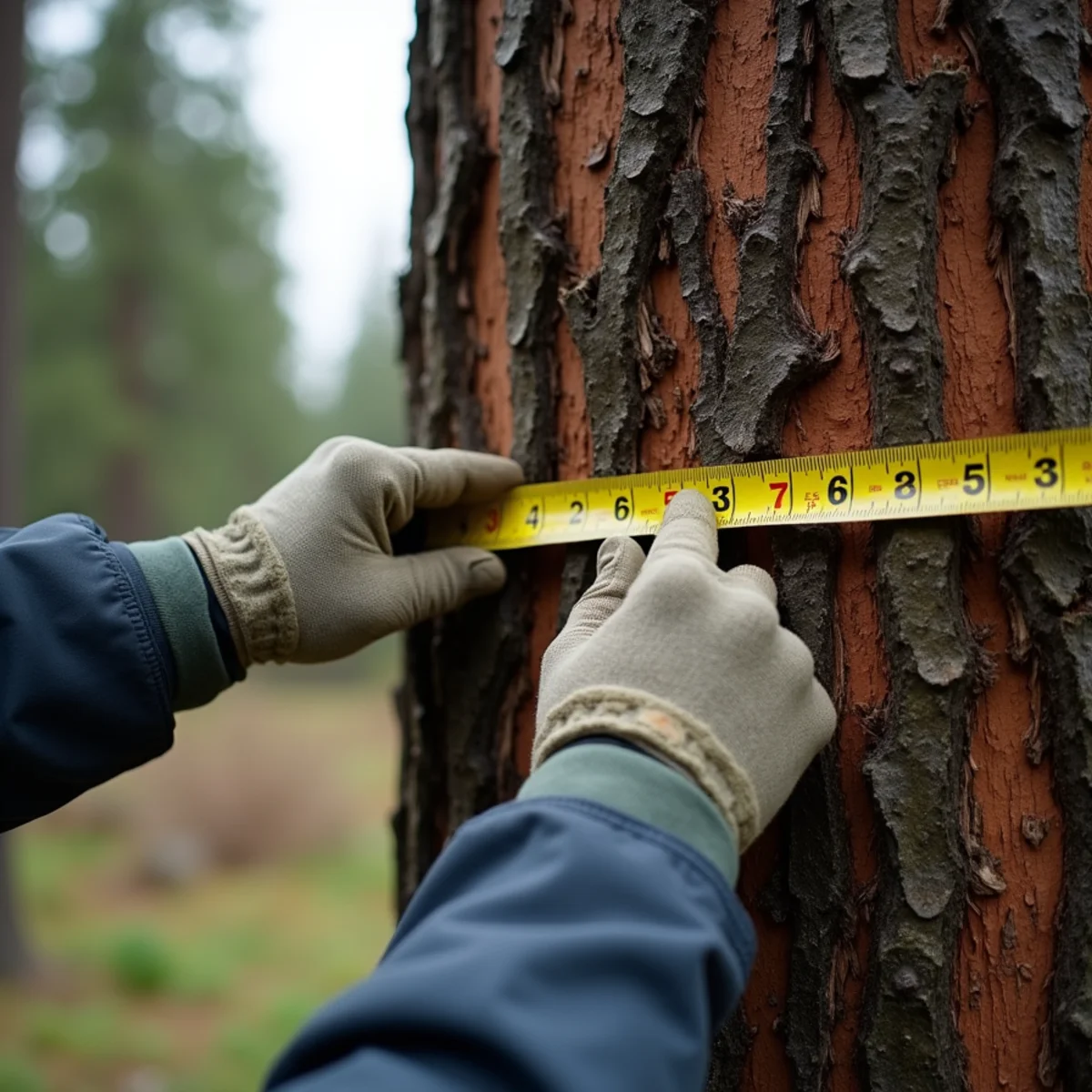
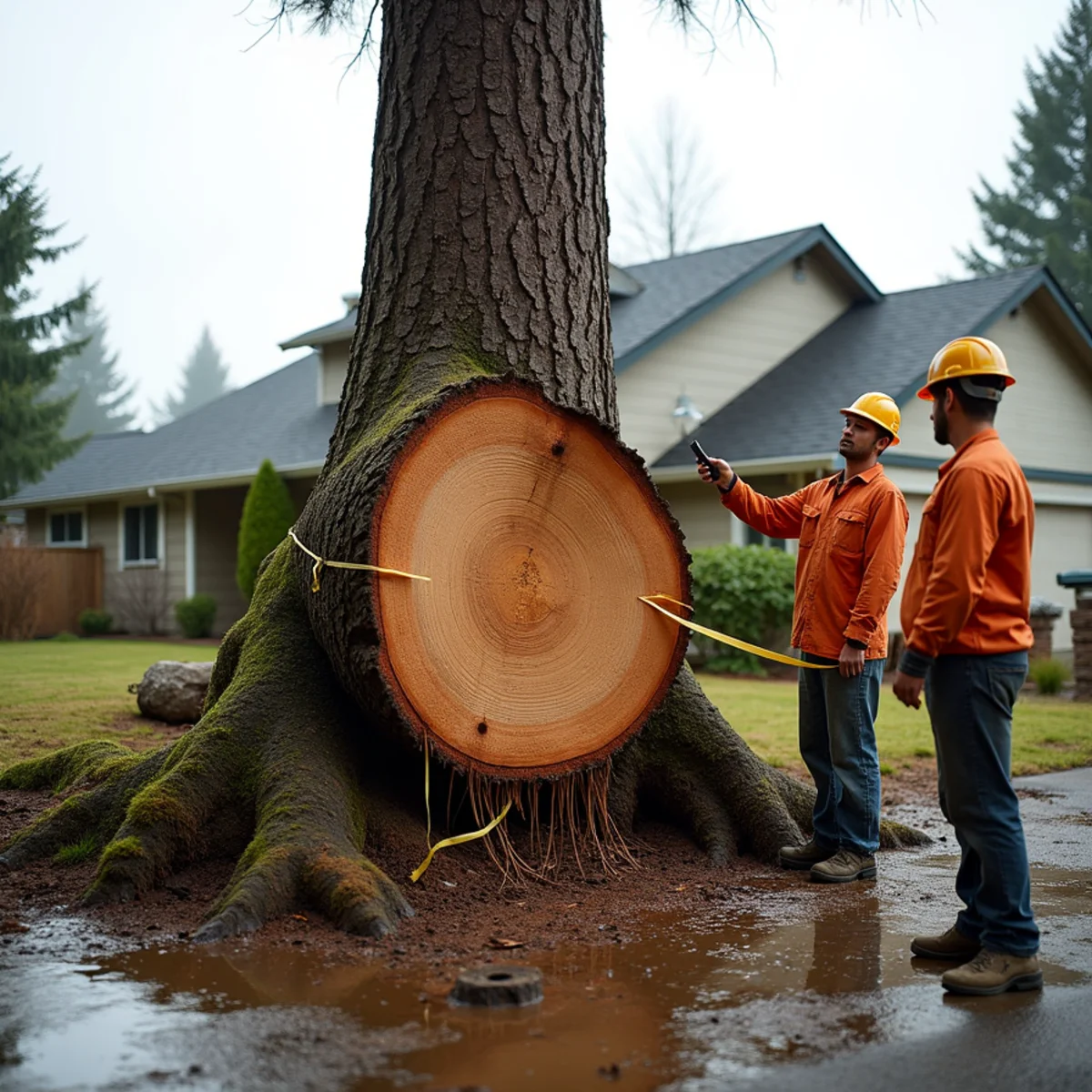
Measured, photographed, written down. 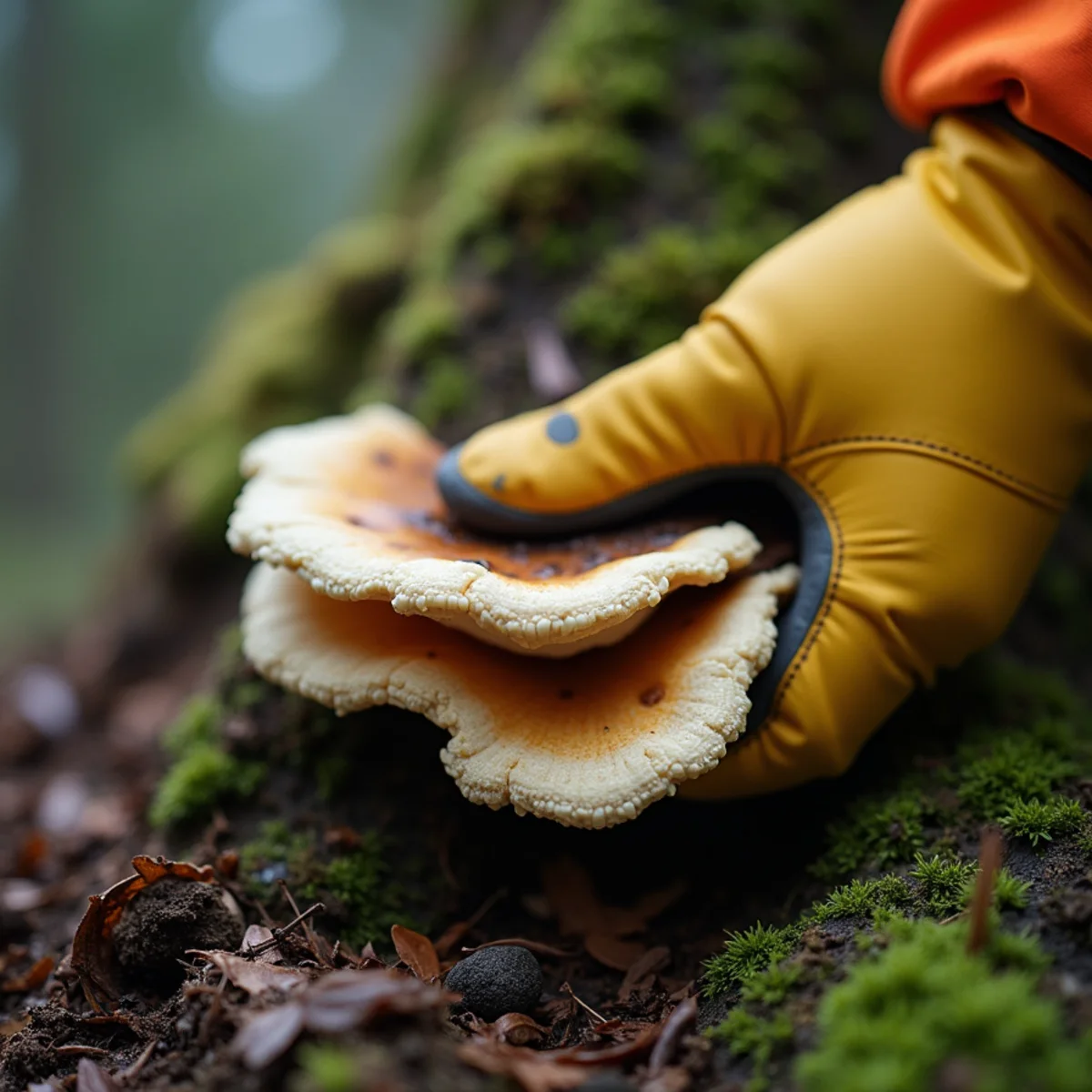
Conks at the collar mean decay is already established. 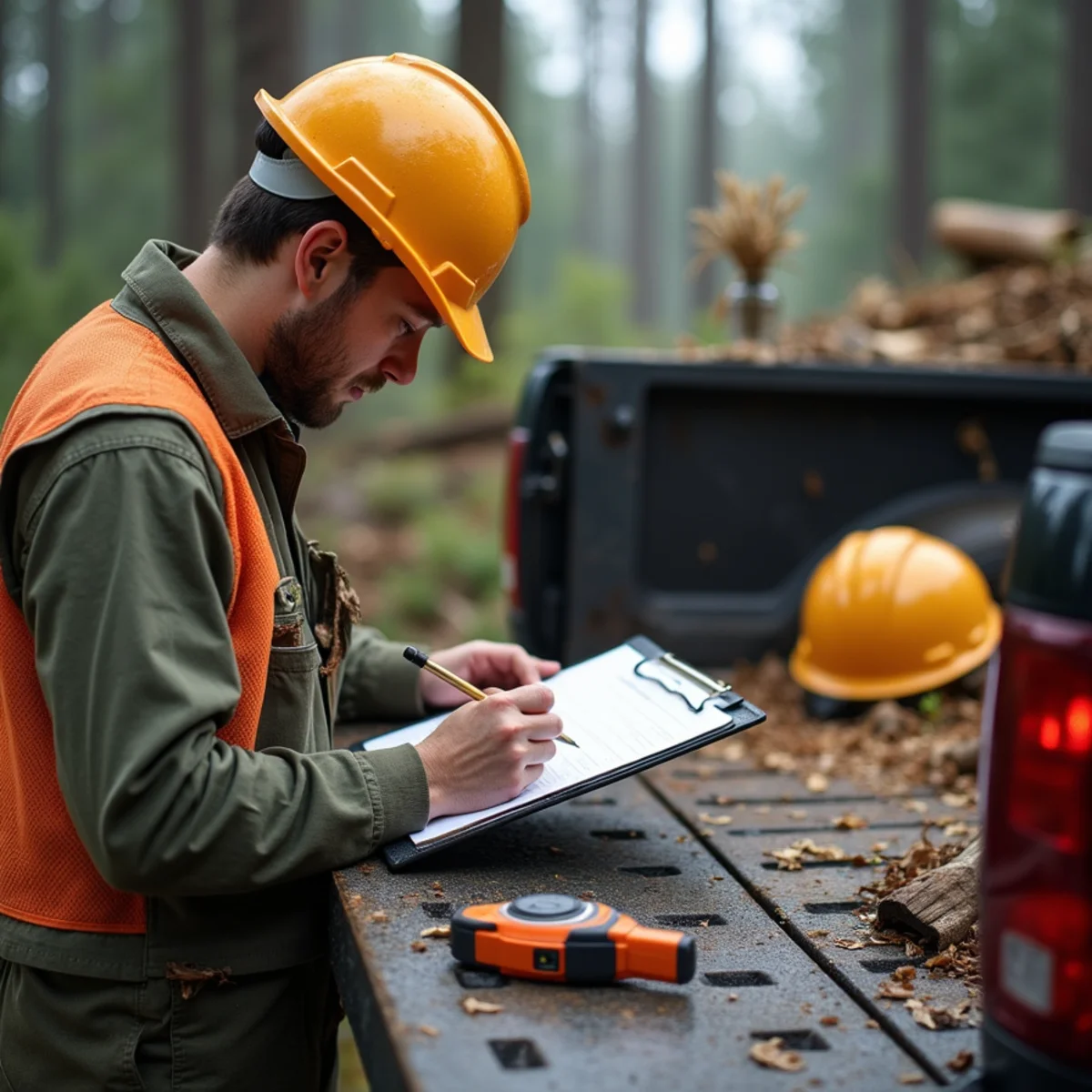
You get a written report, not a sales pitch.
Get a written price for your tree risk assessment & arborist reports job.
Tree Risk Assessment & Arborist Reports Questions, Answered
Often Booked Together
Related Tree Services
Worth Reading First
Before You Book This Work
Free On-Site Estimates
Need tree risk assessment & arborist reports? Let’s take a look.
Ryan Norris walks every estimate himself. Free, on-site, and you’ll get a straight answer about whether the work is necessary at all.
- 34 Google reviews
- Licensed & Insured
- Free On-Site Estimates
- Based in Kelso, WA