Tree Removal Cost in Longview WA: What Actually Drives the Number
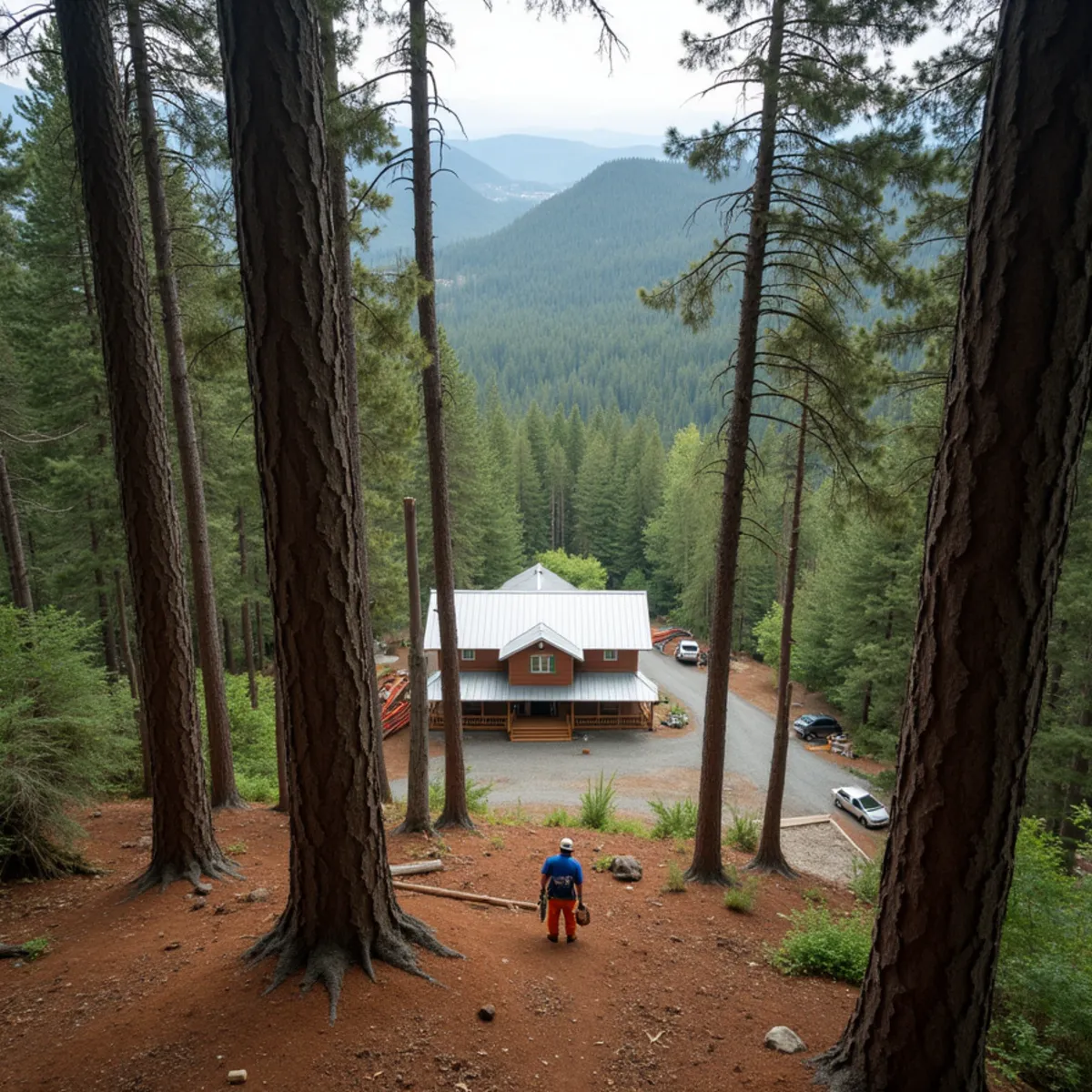
Two houses on the same block in Longview, each with a Douglas fir in the back corner, both about the same height. One homeowner gets a number that makes him wince. The neighbor gets a fraction of that and cannot work out why. Nothing was wrong with either price. One fir had open lawn to fall into. The other stood a dozen feet off a roofline with a service drop through the lower limbs and a gate too narrow for a chipper.
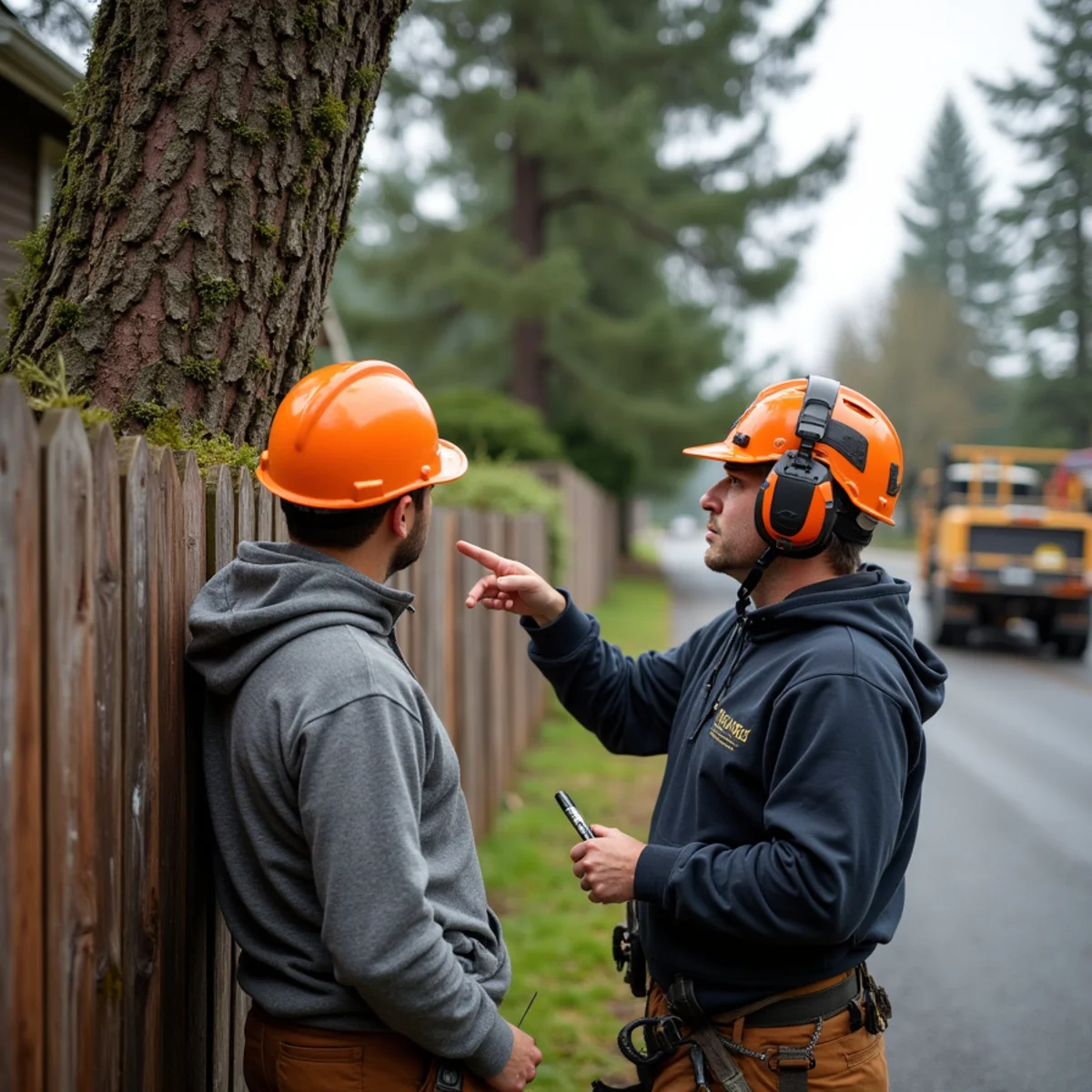
That gap is the subject here. Almost every company in Southwest Washington publishes a cost heading and says nothing useful underneath it. We are not printing a price list either, because an honest figure requires standing under your particular tree. What we can do is walk you through what a climber adds up as he circles the trunk. Once you know that list, three tree removal quotes stop looking like random numbers and start looking like three different scopes of work.
Start With the Tree Itself: Diameter, Height and Wood
Crews size a tree by diameter at breast height — DBH, taken about four and a half feet up the trunk — and by total height. Neither number tells the story alone. Doubling the diameter does not double the wood in a trunk; it multiplies it, because thickness is added across the whole cross-section and carried up the full stem. Pieces come off smaller, the cut count climbs, and rigging must be rated for the heaviest of them.
Species matters nearly as much, because of what the wood weighs green and how it behaves when cut.
- Bigleaf maple — heavy, wet, full of odd angles and codominant unions. It has to be dismantled limb by limb rather than sectioned cleanly.
- Douglas fir — tall and straight, which sounds easy until the height means a long climb and a lot of small controlled pieces up top.
- Black cottonwood — bulky, brittle, prone to hidden decay. Enormous debris volume, and the brittleness limits what a climber will trust as a tie-in point.
- Oak and locust — dense and slow, hard on chains, heavy in the sling on a crane pick.
What Sits Underneath the Tree Changes Everything
This is the biggest driver and the one homeowners underestimate. A tree with a clean drop zone is the cheapest tree anyone will ever take down for you. Notch it, back-cut it, lay it over, buck it up. The same tree over a roof is routinely several times that cost, because it comes out in controlled pieces on ropes, rigged above every cut and lowered on a friction device.
Lean works the same way. A tree leaning toward the open field is cooperating. One leaning over the shop has to be pulled against its own weight or taken apart from the top down. Everything below shifts a job from felling to rigging, and rigging is where the hours go.
- Roof, shop, greenhouse, fence or deck inside the fall radius
- A power service drop, phone or cable line through the canopy
- Septic tank, drain field or shallow utilities that cannot take a heavy trunk section
- Landscaping, raised beds or a patio the owner wants untouched
- A property line inside the drop zone, which makes it a rigging job by default
Access, Rigging and the Crane Question
After the drop zone, access is the next lever. If a chipper and truck park within a short pull of the tree, brush disappears fast. If everything comes through a four-foot gate, down a set of steps, or up one of the steep narrow driveways common on the Kelso hillsides and the older streets around Vancouver, the same brush takes a multiple of the time. Nothing about the tree changed; the labor did.
Which is why a crane is often not the expensive option people assume. A crane-assisted tree removal carries a higher hourly rate and can still land lower on the invoice, because picks that would take a climber a full day of rigging get lifted out over the house in an afternoon. Ask each bidder whether they priced a climb or a crane pick. Two quotes using different methods are not comparable.
Debris, Wood and the Stump: Where Quotes Quietly Diverge
A removal produces two piles, brush and wood, and what happens to them is where a low quote most often hides its savings. Hauling everything off site costs the most: truck time and disposal. Leaving rounds stacked for firewood costs less and suits plenty of people here who heat with wood. Chips blown into your beds cost less again. Two bids only match if they assume the same choice.
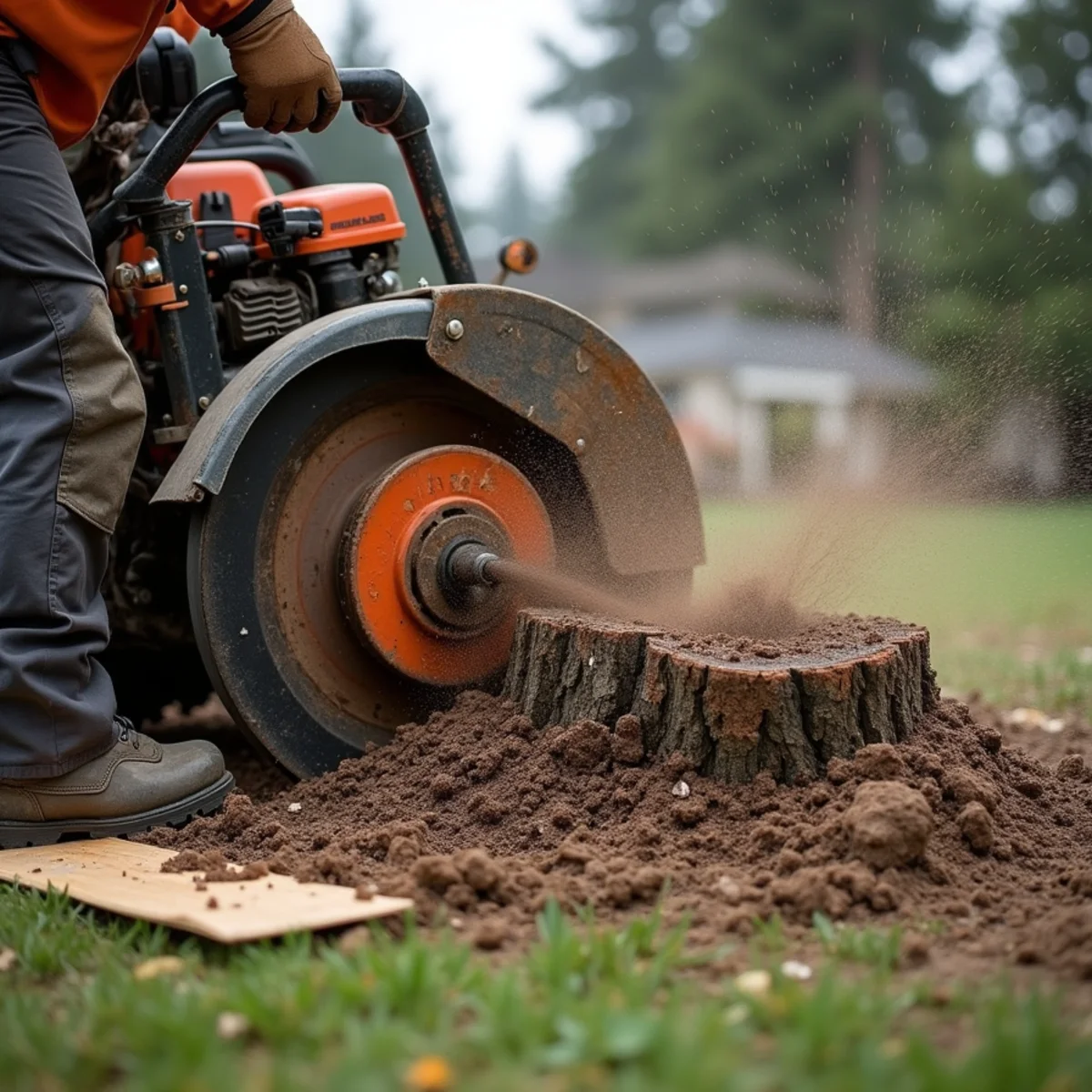
The stump is its own line item, always. Stump grinding and removal is priced by diameter and by how deep you want it taken — a few inches below grade for bark or sod is one job, deep enough to replant is another. Grinding also throws a surprising volume of chips that either stays in the hole or gets hauled. If a quote does not mention the stump, assume the stump is staying.
How to Compare Three Quotes Apples-to-Apples
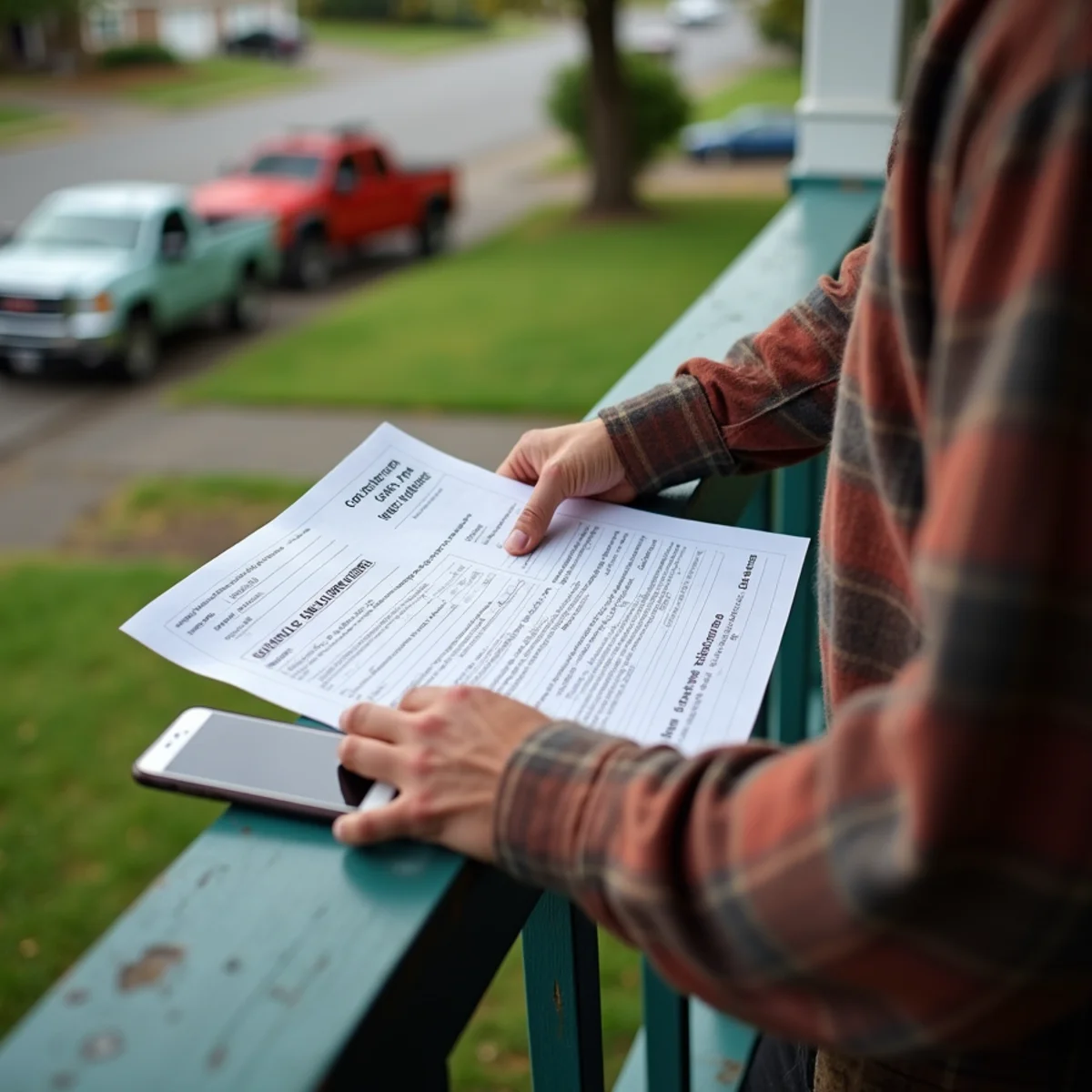
The cheapest bid is sometimes genuinely cheaper and sometimes just smaller. Before you compare totals, make every estimate answer the same questions.
- Is the stump included, and to what depth below grade?
- Is all brush and wood hauled off, or are rounds and chips left behind?
- Was it priced as a climb or a crane pick, and who pays if the method changes?
- Are lawns, beds and driveways protected, and who is responsible for damage?
- Is the company licensed and insured, and will they send the certificate?
- Does the price cover permit checks if the parcel sits in a shoreline, critical-area or city tree-code overlay?
- Is it a written scope, or a verbal ballpark that can grow once the crew arrives?
Two deserve a note. Permit rules differ by jurisdiction and by parcel, and cities in Clark County generally regulate more than unincorporated Cowlitz County does, so verify your address with the city or county before work is scheduled. On insurance, ask for the certificate rather than a promise. This is general information — your own policy, your insurer and, if it comes to that, your attorney govern your situation.
The Short Version
Size sets the floor. What sits underneath the tree, the room to work, the equipment required, the condition of the wood, and what you want left in the yard set the actual number. A quote that ignores half that list is not a bargain, it is an incomplete scope. If you want a real figure, Ryan walks every estimate himself, the on-site estimate is free, and you get a written scope you can hold the next bidder to. Call Columbia Tree Professionals at (208) 635-2100.