
Cowlitz County · Clark County
Tree Cabling, Bracing & Preservation in Washington
Some trees can be saved and some cannot. We will tell you which one you have before anybody drills a hole in it.
- Free On-Site Estimates
- Licensed & Insured
- 34 Google reviews
A bigleaf maple in a Longview backyard drops half of itself across the lawn in a February wind, and the homeowner calls expecting to hear the rest has to come out. Sometimes that is true. Often it is not. What remains is sound, and what actually failed was one union that was built wrong from the day the tree forked.
This page answers the question almost nobody around here answers in writing: can the tree be saved, and should it be? Removal is permanent, and a mature tree here is worth real money in shade, screening and resale. Cabling, bracing and structural pruning buy a good tree another twenty or thirty years when the defect is fixable. They are not magic, and we will be blunt about the trees where they are the wrong call.
What Tree Cabling and Bracing Actually Do
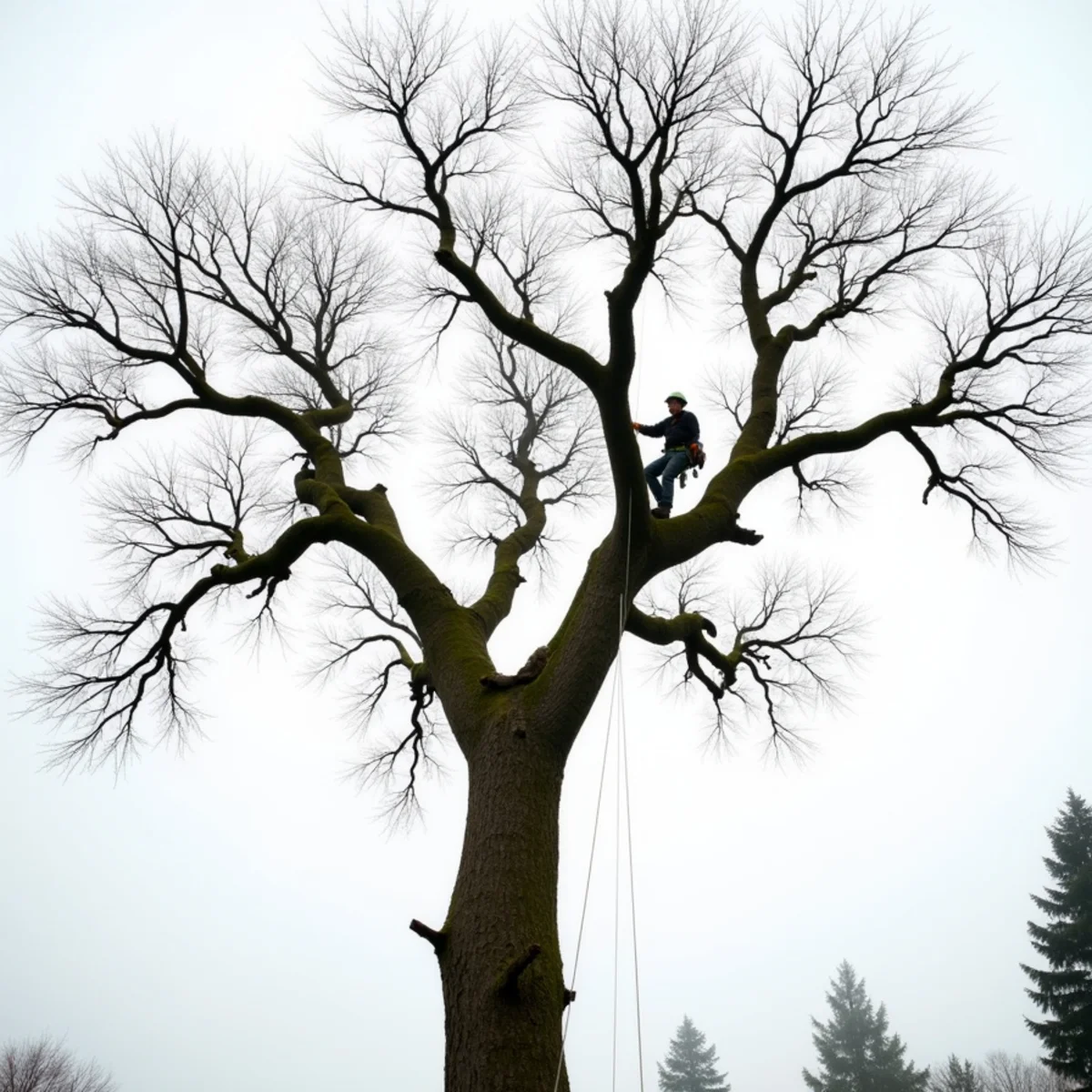
Neither one makes a tree stronger, and that is the misunderstanding worth clearing up first. A cable is a supplemental support system installed in the upper crown to limit how far two leaders travel away from each other, so the union never sees the load that would tear it apart. Bracing is the lower-canopy version: a threaded steel rod passed through a weak or separated union to hold the halves together. Cables limit movement. Rods resist separation. Bad unions often need both.
Placement decides whether any of it works. A cable belongs roughly two-thirds of the way from the defect to the tops of the leaders it supports. Too low and it does almost nothing. Too high and the load lands in wood too small to carry it.
Dynamic Versus Static Cabling
Static systems use extra-high-strength steel strand anchored with through-bolts or eye lags. They hold hard, they do not stretch, and they suit a union that is already compromised or that has separated and been rodded. The trade-off is that the tree largely stops flexing there and stops building reaction wood. The system becomes permanent.
Dynamic systems use hollow-braid synthetic rope with a shock-absorbing section and go in without drilling. They let the leaders move within a limit while catching the extreme swings. On an otherwise healthy tree with a marginal union and no decay, dynamic cabling is usually the better long game, because the union keeps getting loaded enough to keep laying down wood. We pick based on how far the union has already failed, not on preference.
Through-Rods for a Union That Has Already Split
Once a union has cracked, a cable overhead is not enough on its own — the halves have to be drawn back together and held. That means threaded rods drilled through the stem below the crack, washered and nutted on both faces, with cabling above to keep working load off the repair. Caught early, the tree walls off the wound and the union stabilizes. Caught after the crack has run into the trunk and decay has moved in, it is money spent on a tree that fails anyway, and we will say so.
Codominant Stems and Included Bark in Bigleaf Maple
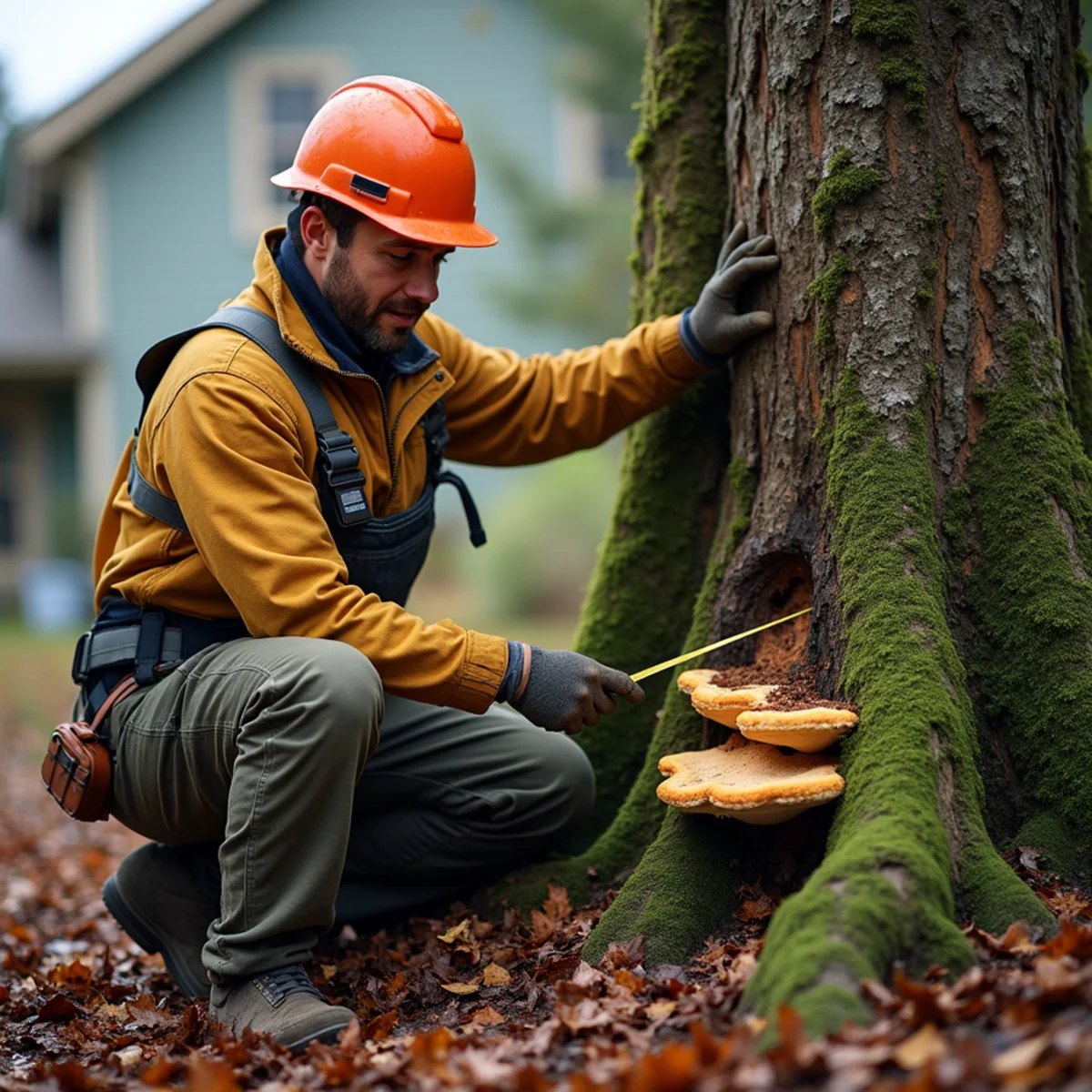
Most of the cabling we do in Cowlitz and Clark County is on bigleaf maple, and it is nearly always the same defect. The tree forks low into two trunks of near-equal size. Instead of a rounded union with a raised bark ridge and wood grown across the joint, the bark of both stems is pinched inside it. Included bark is a seam, not a bond. Very little wood holds the halves together, and the seam traps water and starts rot from the inside out.
You can read it from the ground. A strong union looks like a U. A weak one looks like a tight V with a dark line running down into it, often with a wet stain or moss following the seam. Bigleaf maple, black cottonwood and the older ornamental pears and plums around Kelso and Battle Ground all do this. Douglas fir does it less, but a fir carrying two tops from an old topping cut follows the same rules.
Preservation Is More Than Hardware
Cabling gets the attention, but the cheapest way to keep a tree standing is to take load off it and look after what is under it. On most preservation jobs the hardware is the smallest line on the estimate.
- Crown reduction — shortening the longest leaders back to sound laterals cuts sail area and leverage. This is not topping. Topping strips a tree of the foliage it feeds itself with and grows back weakly attached shoots more dangerous than what you started with.
- End-weight reduction on the long horizontal limbs, often all a wide-spreading maple over a driveway really needs.
- Deadwood cleaning — pulling dead and hung-up limbs out makes the tree safer the same afternoon and reveals the structure underneath.
- Root-zone care — coarse wood chip mulch toward the dripline, kept off the trunk flare, does more over five years than anything we can bolt into the tree.
- Construction root protection — fencing at the dripline before the excavator arrives, and air-spading instead of trenching where a line has to cross.
That last point matters more than people expect. Every new shop pad, RV slab and drain field near a mature fir compacts the top foot and a half of soil, which is exactly where the fine absorbing roots live. The canopy looks fine for a few seasons, then thins from the top down — usually three to six years later, long after anyone connects it to the excavator.
When We Will Tell You Not to Cable
Hardware in a tree is a commitment. It creates an inspection obligation, it does nothing to stop decay, and it can hand a homeowner false confidence about a tree that should have come down. We decline the work when any of the following is true.
- There is meaningful decay at the union or where anchors would land. A bolt is only as good as the wood holding it.
- The problem is at the roots. Nothing in the crown fixes a moving root plate or laminated root rot, and no cable holds a tree that tips over whole.
- The target underneath is a bedroom or a crib. Lowering the odds of failure is not the same as removing them.
- The tree is in poor overall health and unlikely to close wounds or respond to reduction pruning.
- Nobody intends to inspect it. A cable installed and forgotten for twenty years is worse than no cable.
If there is a tree you would rather keep, call and we will come look at it. Ryan walks every estimate himself, and the visit is free whether the answer is a cable, a reduction, or the harder news. Either way you get the reasoning, not just a number.
Signs You Need Cabling, Bracing & Tree Preservation
How a Cabling, Bracing & Tree Preservation Job Runs, Start to Finish
A free look at the tree, from the ground and above
A straight verdict on whether it can be saved
A written plan with the method spelled out
Load reduction first
Hardware installed to spec
Cleanup, walkthrough and a reinspection date
What Drives the Price of Cabling, Bracing & Tree Preservation
Cabling, Bracing & Tree Preservation on Real Jobs
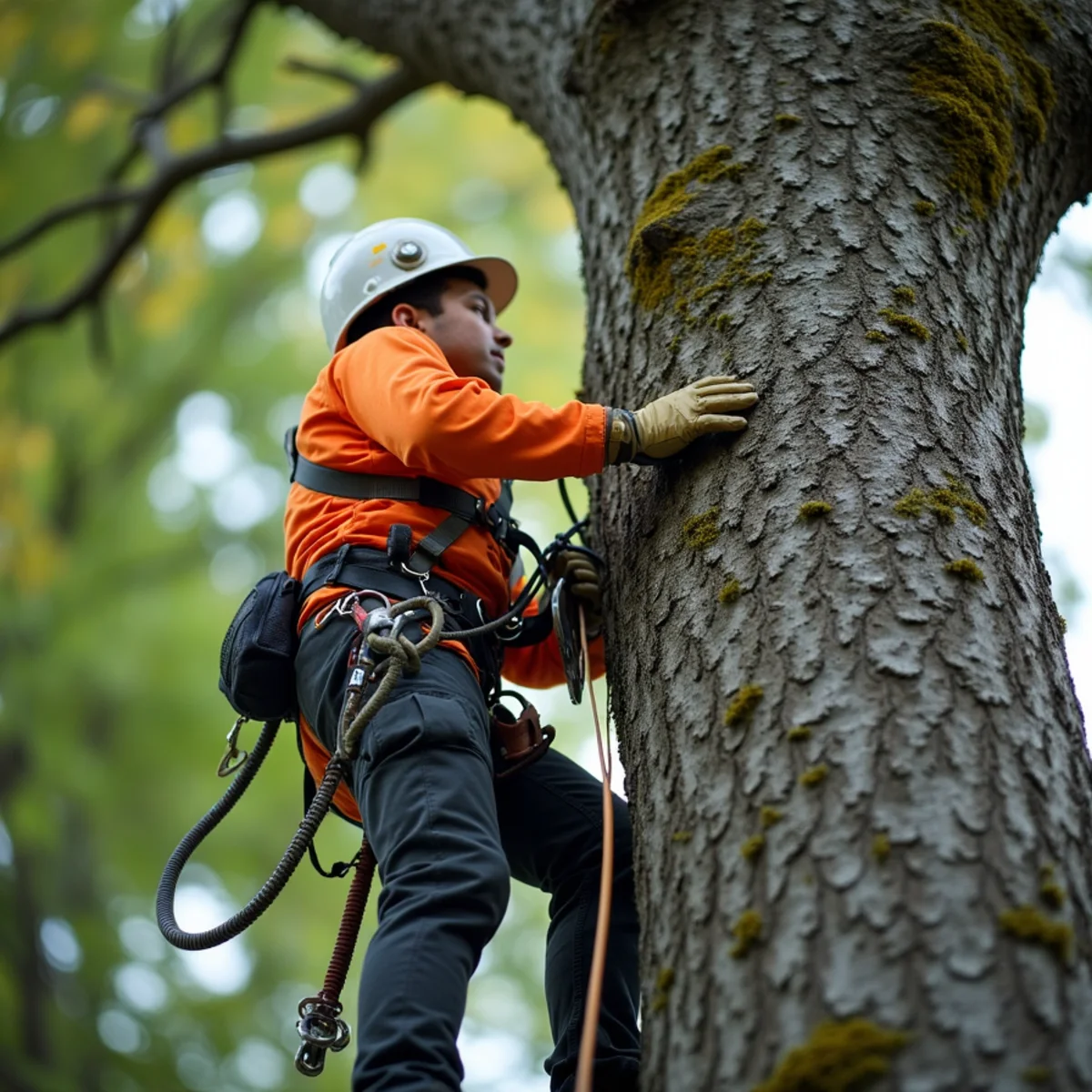
Cabling buys a good tree another few decades. 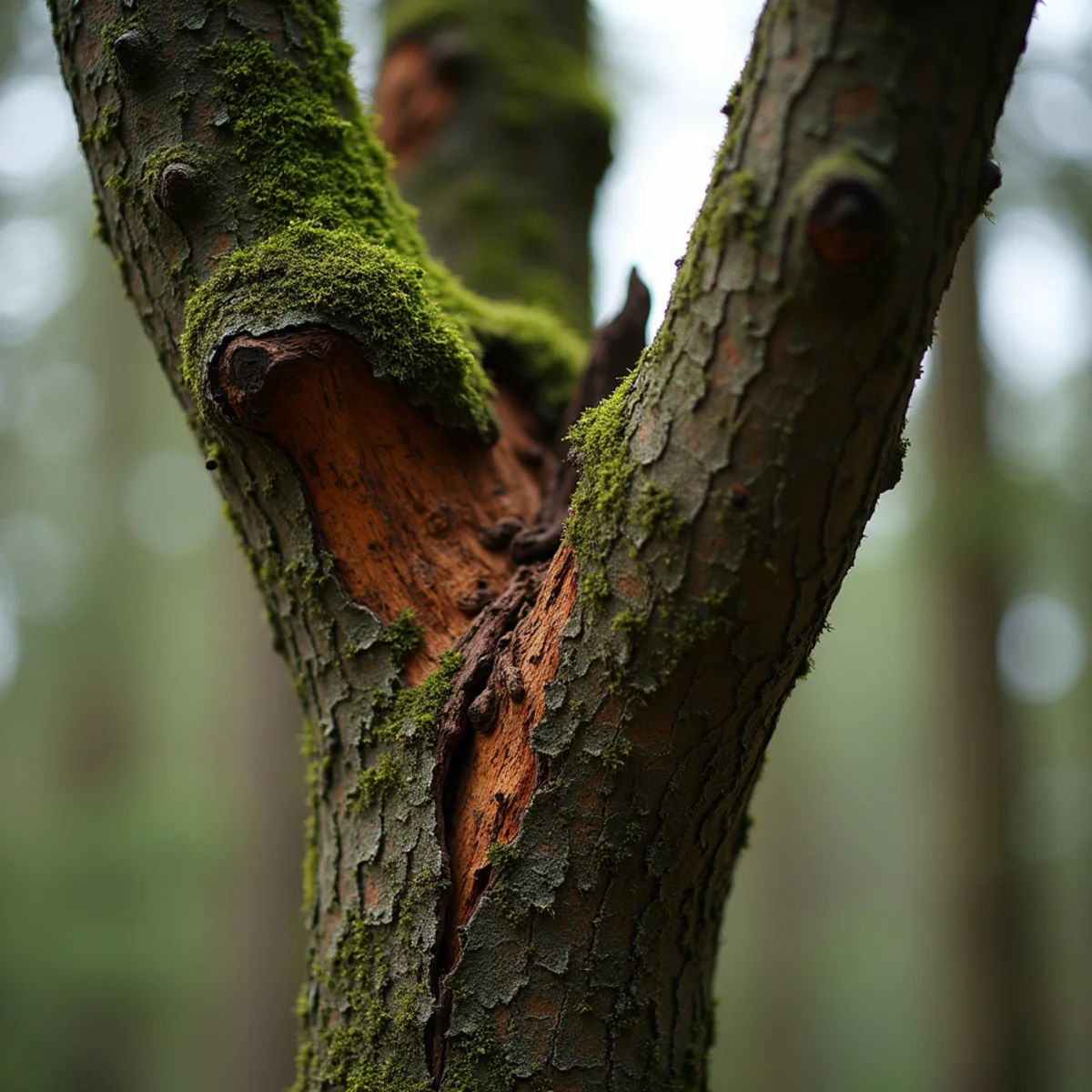
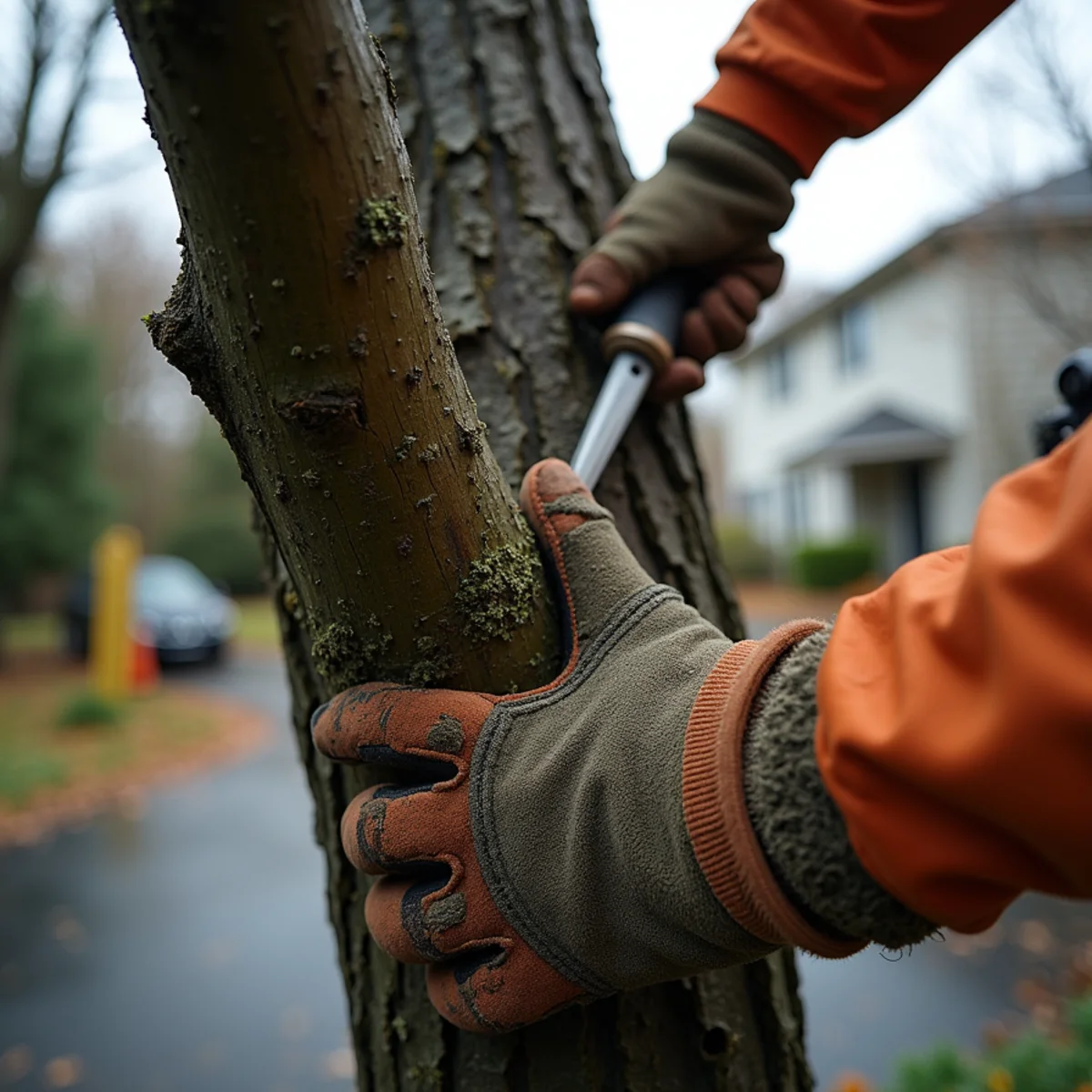
Included bark is the defect worth catching early. 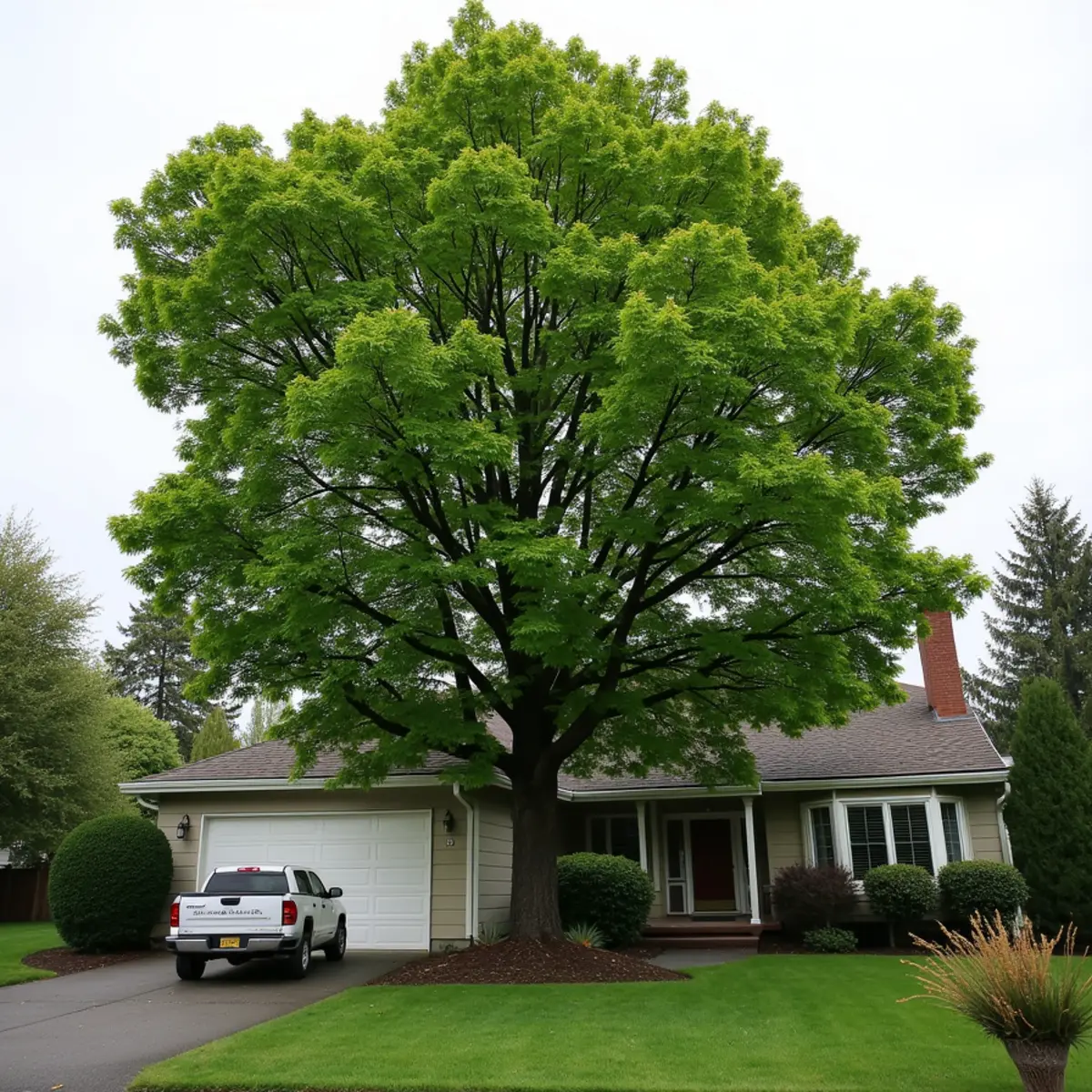
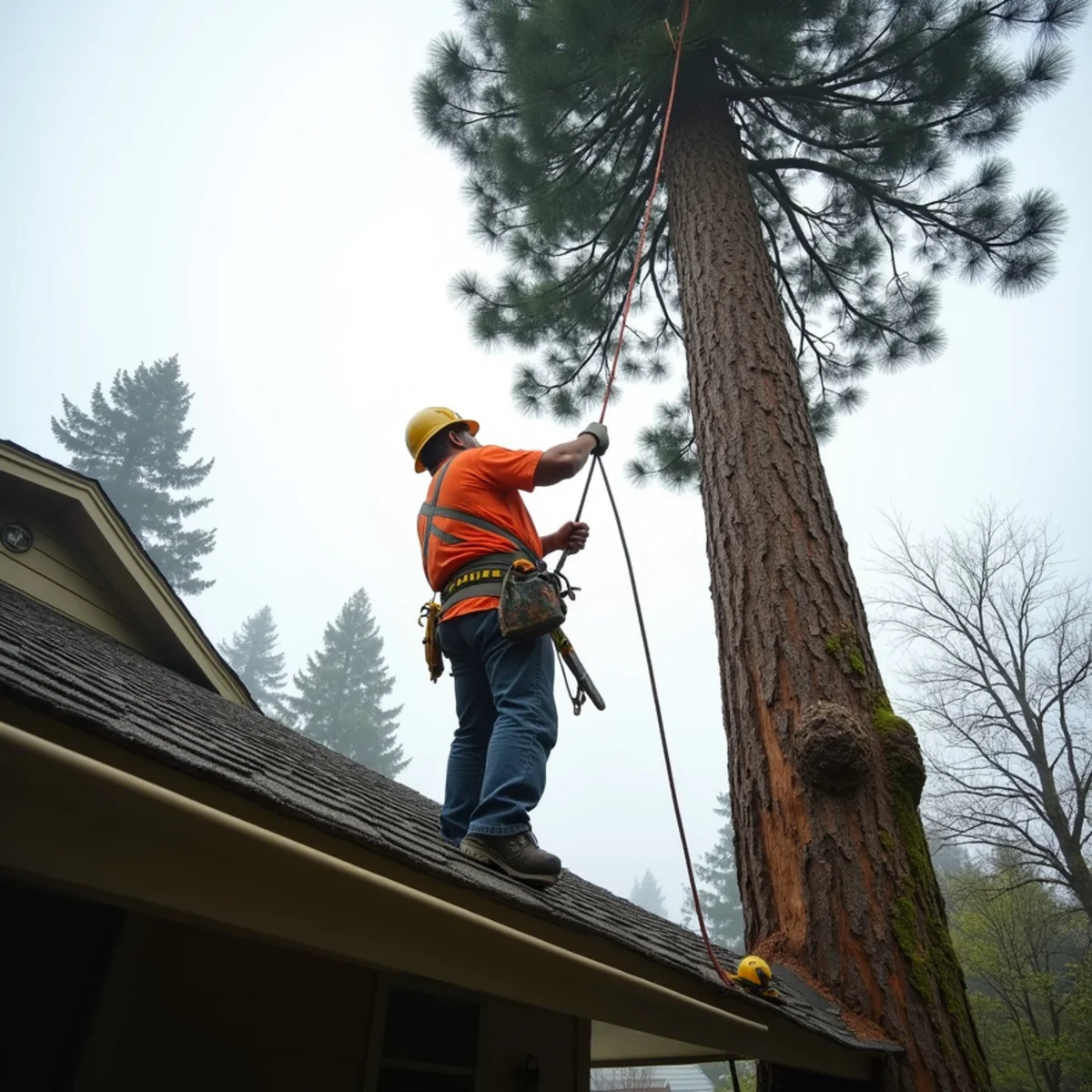
Reduce the sail area and the tree stays.
Get a written price for your cabling, bracing & tree preservation job.
Cabling, Bracing & Tree Preservation Questions, Answered
Often Booked Together
Related Tree Services
Worth Reading First
Before You Book This Work
Free On-Site Estimates
Need cabling, bracing & tree preservation? Let’s take a look.
Ryan Norris walks every estimate himself. Free, on-site, and you’ll get a straight answer about whether the work is necessary at all.
- 34 Google reviews
- Licensed & Insured
- Free On-Site Estimates
- Based in Kelso, WA