Forest Practices Application Cowlitz County: Before You Clear That Acreage
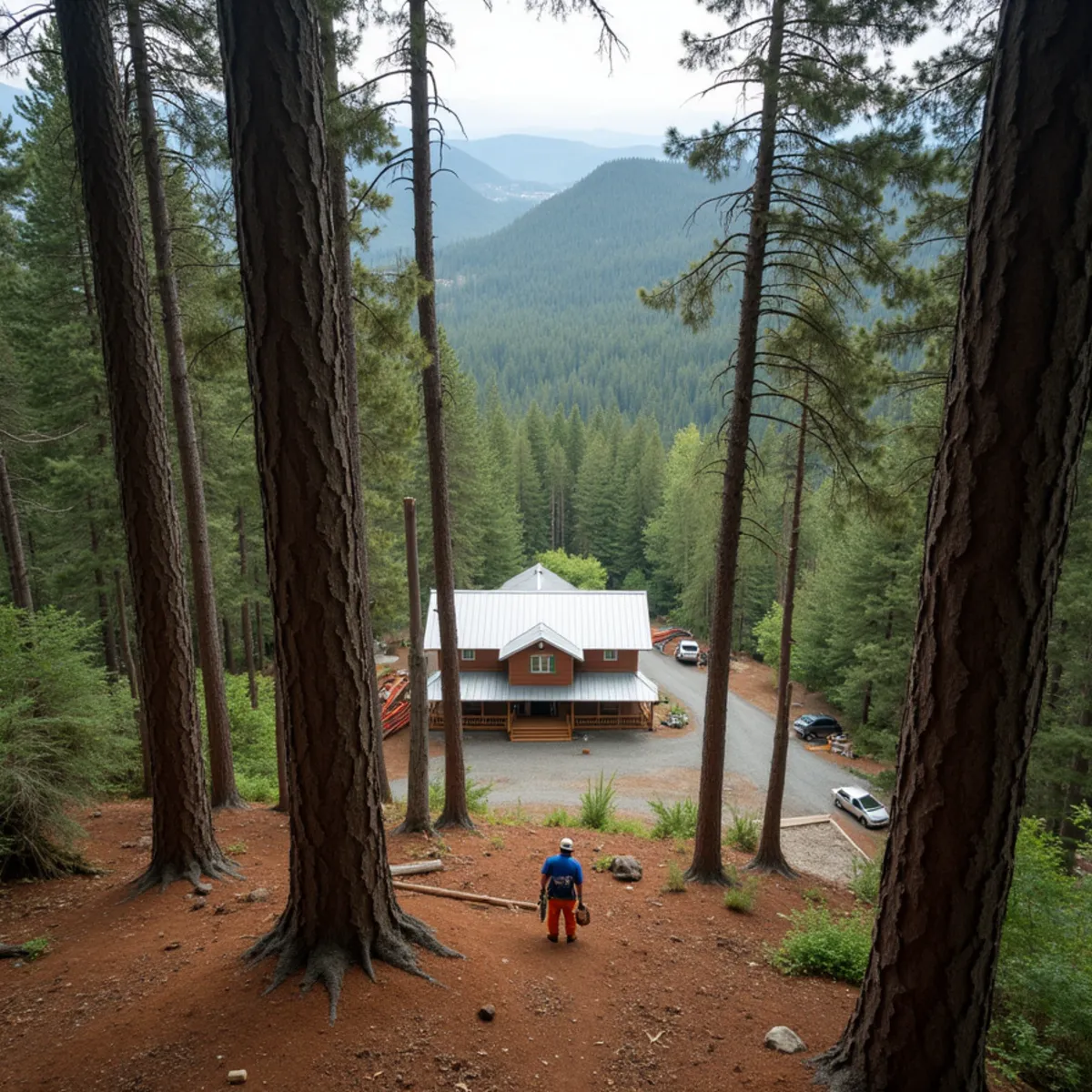
A man called us in late winter about a wooded parcel he had just bought north of town. He wanted the front portion opened for a shop pad and a driveway, the back left in timber, and a friend with a skidder who could start that weekend. What he had not thought about is that Washington cares a great deal about the difference between cutting trees to sell logs and cutting trees to build something.
If you own acreage in Cowlitz or Clark County and plan to open up a real chunk of standing timber, the question that shapes your next couple of years is not which crew bid lowest. It is whether the work counts as a harvest, a conversion, or ordinary yard work — and who you tell before anybody pulls a starter cord.
Harvest, Conversion and Clearing Are Three Different Animals
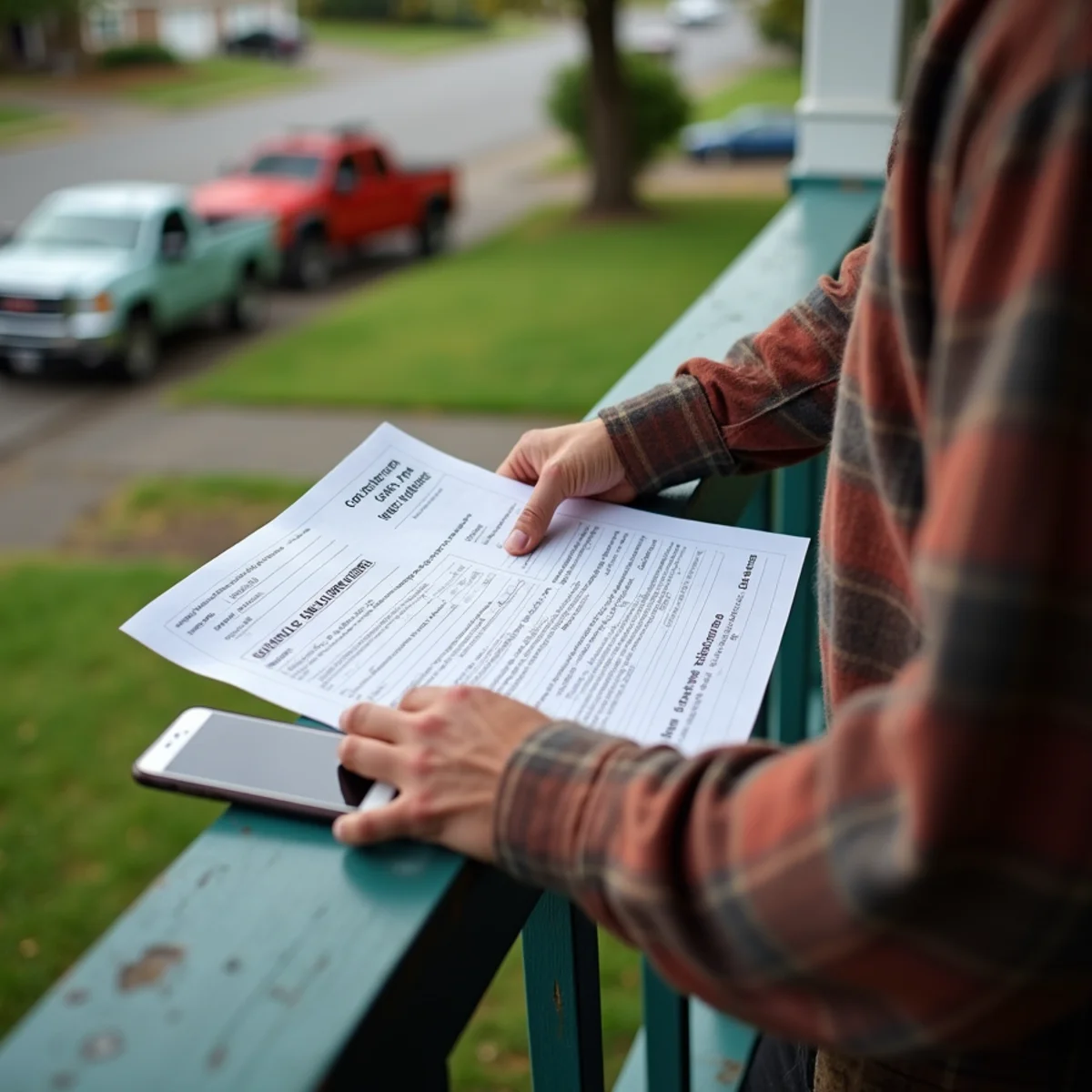
Washington DNR regulates commercial timber harvest on private land under the Forest Practices Act. Cut merchantable timber on ground classified as forestland and you are generally filing a forest practices application describing what comes off, how the logs get out, where roads and stream crossings go, and how the site is reforested. The assumption built into that system is that forestland stays forestland.
Conversion is when the land is not staying forestland — a house, a shop, pasture, a short plat. That pulls the county in alongside DNR, because a parcel headed for development also runs through land use review, critical areas rules and grading. The third category is a homeowner taking out a few trees around an existing house, which usually is not a regulated harvest and sits closer to routine tree removal.
What pushes a job from one category into another is usually some combination of these:
- Whether the parcel is classified as forestland or sits in a current-use timber tax program.
- Whether the wood is merchantable sawlog material rather than brush and small stems.
- Whether the land use is changing, and how soon you intend to build.
- Whether the work touches streams, wetlands, steep slopes or a shoreline overlay, or needs new road or crossing construction.
- Whether you are in unincorporated county or inside a city with its own land clearing code.
I am not going to give you acreage cutoffs, volume triggers or fee amounts. Those change, and the answer depends on your parcel. Call the DNR region office and your county permit counter with your parcel number.
The Conversion Option Harvest Plan
This is the piece most landowners have never heard of, and the one that saves people. A conversion option harvest plan tells the county up front that you intend to convert the land, so the harvest is reviewed with that intent on the table from the start. Everyone works from the same understanding: trees come off now, development follows. Filed in the right order, the harvest and the building permits stay on speaking terms. Filed backwards, they conflict.
Why Cutting First and Asking Later Is the Expensive Path
Washington law contemplates a multi-year hold on development permits for land cleared outside the process it should have gone through. You clear the front acres in March, spend the summer collecting bids on a shop, then find the county cannot issue a building permit for years — on ground you already paid to open up. You simply cannot build, and there is no fast way to unwind it.
That is why we ask landowners in Amboy and out along the north Cowlitz valleys what the end plan is before quoting anything bigger than a few trees. A crew that skips that question is not doing you a favor. Treat this as general information rather than legal advice — DNR, your county, and if it comes to it your own attorney govern what applies to your parcel.
Will the Log Value Cover the Clearing?
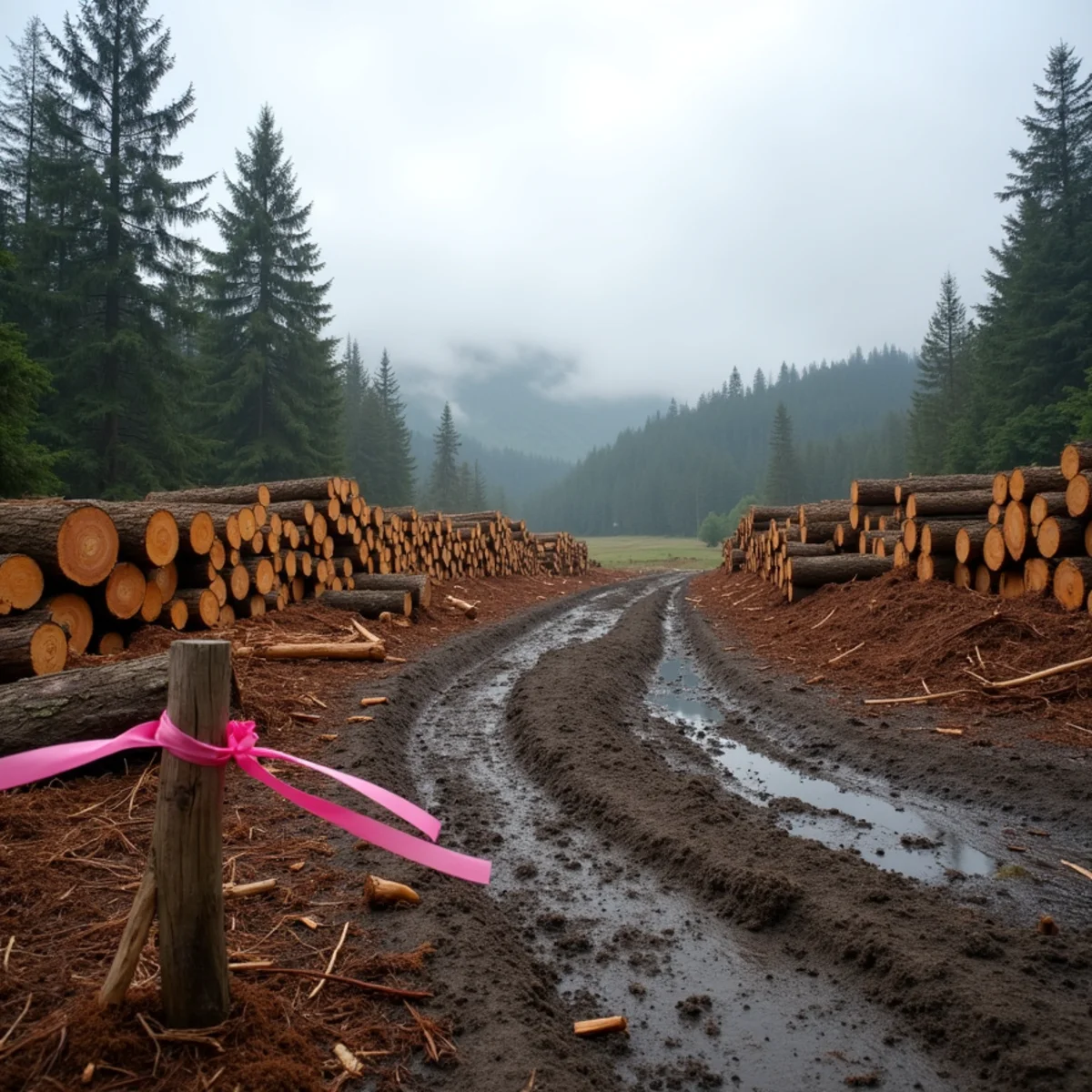
Douglas fir is the bread and butter of this valley — straight, sound, well-sized fir has a real market, and enough of it will meaningfully offset a clearing bill. Western red cedar carries the highest value per unit, but only if the wood is sound; a hollow butt takes a cedar log out of the running fast. Red alder is genuinely merchantable here, though it is heavy to handle for what it returns.
What erodes that value, in rough order of how often it bites:
- Volume too small to justify moving equipment in — mobilization costs the same for one load or twenty.
- Yard trees full of fence wire, nails and old eye bolts — one buried spike condemns a log.
- No landing, no turnaround, or a driveway a loaded log truck cannot use.
- Decay, heavy limbs and sweep in stems that grew wide open in the sun instead of tall inside a stand.
- Steep or wet ground, and long hauls to a mill buying that species this month.
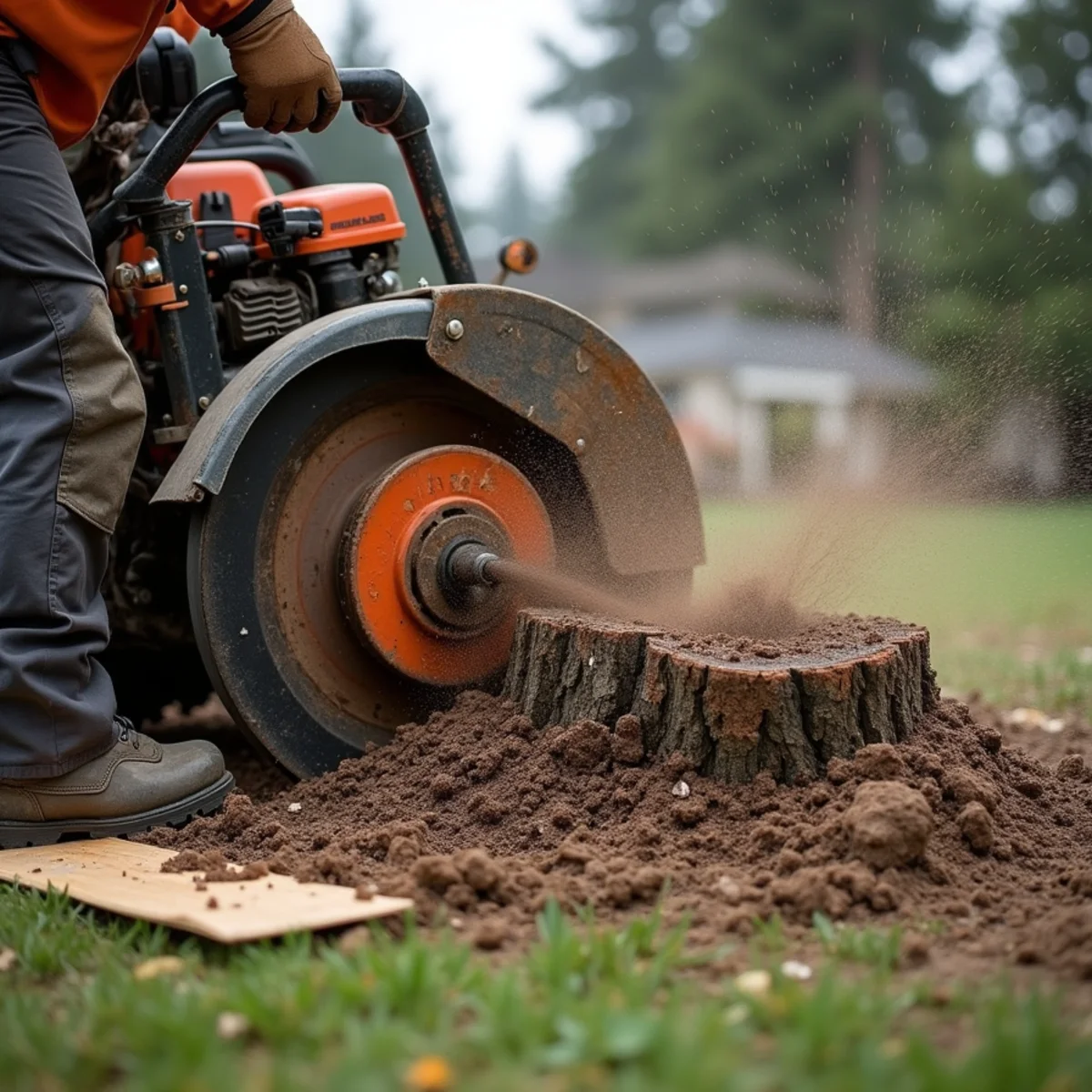
A parcel around Castle Rock with good fir, decent access and enough volume can come close to a wash on the timbered portion. The same parcel with scattered second growth, a narrow driveway and a wet spring will not. What almost never pays for itself is the tail end — stumps, slash, alder thickets and blackberry — which is the lot clearing and brush removal side of the work rather than the logging side.
How We Approach an Acreage Job
- Ryan walks the parcel with you: species, size, soundness, ground conditions, and where a truck can actually get in.
- We ask what you are building and when, because that decides whether this is a harvest question, a conversion question or neither.
- We give you a straight read on what the merchantable wood is worth against the job, and what it will not cover.
- We point you to DNR and the county for approvals, and we do not schedule regulated work until that is settled.
- We price the timber portion separately from stumps, slash and brush, and talk through defensible space and fuel reduction for the trees you keep near the building site.
That last point is not filler. Trees that spent forty years inside a closed stand have never carried full wind load. Open a hole around them and the new edge becomes the likeliest place for something to come down, often onto the thing you just built.
Do the Paperwork First, Then Clear
Nobody enjoys this part. But two phone calls in the planning stage are cheap next to a parcel you cannot build on, and the people who get burned are the ones who let a cheap skidder set the schedule.
If you own wooded acreage in Cowlitz or Clark County and are trying to work out what is realistic, we will walk it with you and give you a straight read on the timber, the access and the sequence. Call Columbia Tree Professionals at (208) 635-2100 for a free on-site estimate.